





Paonias
Paonias
The Paonias is a beautiful moth known for its striking colors and patterns. It flies at night and loves to visit flowers, making it a special nighttime friend in gardens.
Habitat: Gardens and meadows
The Paonias moth has cryptically patterned forewings, often in shades of brown or grey, that perfectly mimic dead leaves or tree bark. Its most distinctive feature is the large, colorful 'eyespots' on its hindwings, usually bright blue or yellow, which are hidden until the moth feels threatened.
Category
InsectsRarity
Common
Danger
1/5 · Very low
Snaps
Be the first to snap!
Adult Paonias moths do not eat; they only drink nectar to fuel their flight.
Paonias moths spend winter as a chrysalis buried underground, waiting for spring.
Their caterpillars are sometimes called "hornworms" due to a little "horn" on their tail!
When startled, Paonias moths lift their forewings to reveal large, fake eyes!
Paonias can quickly flash hidden, vibrant eyespots on its hindwings that helps them startle and confuse predators.
Paonias has incredible forewing patterns that help them blend seamlessly into their tree bark and leaf surroundings.
Paonias can fly very quickly and precisely, helping them escape threats and efficiently find nectar sources.
Adult Paonias moths drink flower nectar, while their caterpillars munch on leaves from various trees and shrubs.
Age differences: Larvae eat leaves; adults consume only nectar from flowers.
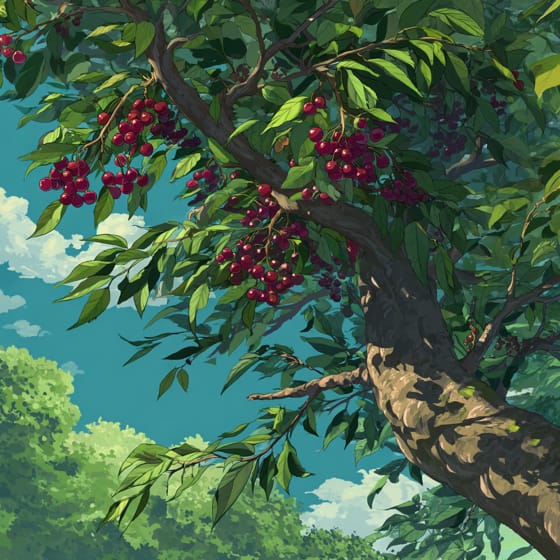
Prunus serotina
Its caterpillars feed on the leaves of this tree.
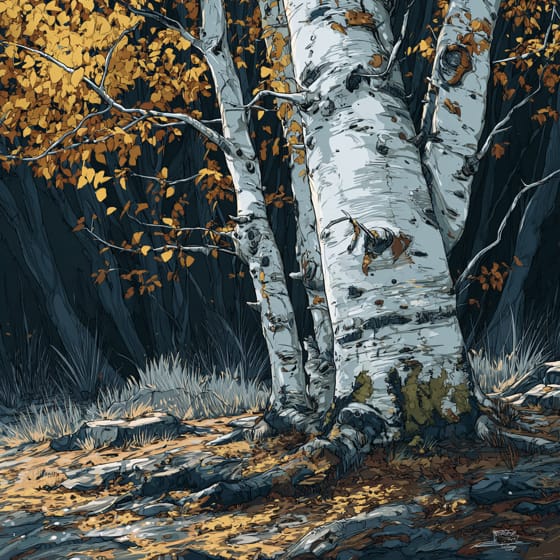
Betula papyrifera
Paonias larvae often feed on the foliage of birch trees.
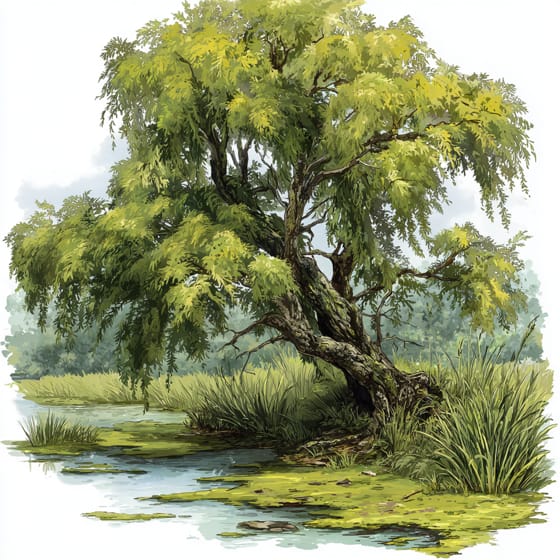
Salix nigra
Willow leaves are a common food source for young caterpillars.
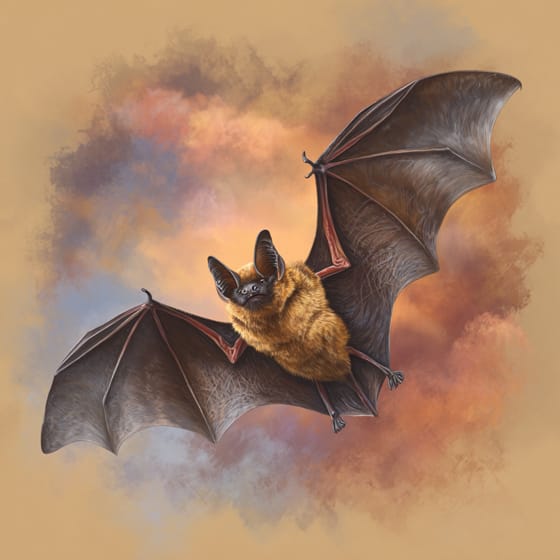
Eptesicus fuscus
Fast-flying moths like Paonias are prey for bats.
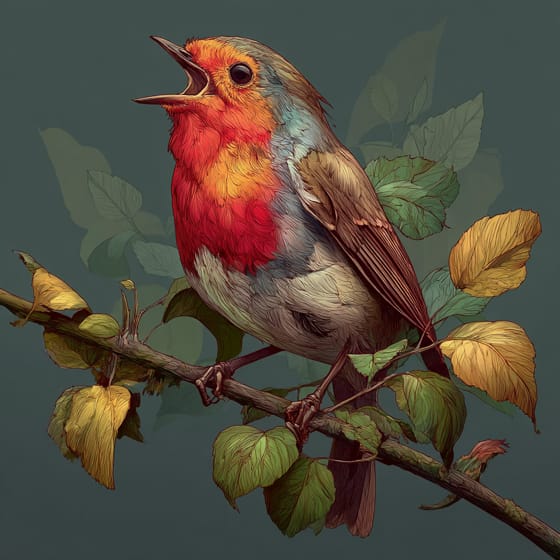
Turdus migratorius
Birds may prey on Paonias moths during the day.
Solitary animals live alone for most of their lives, only interacting with others for mating or parental care.
Aerial creatures spend a significant portion of their lives airborne, utilizing flight for various activities such as hunting, migration, or nesting.
Colorful describes organisms or objects displaying a wide range of bright and distinct colors.
This trait characterizes organisms whose diet consists entirely or primarily of plant material.

Nocturnal animals are primarily active during the nighttime hours, typically resting or sleeping during the day.

Describes organisms that transfer pollen, enabling the fertilization and reproduction of plants.
No aliases listed yet.
Danger
1/5 · Very low
Moths are usually harmless, but it's best to watch them from a distance and not touch them.
The easiest way to identify Paonias is to use the Snappit nature identifier app.
50-100 mm
30-50 mm
7-21 days
40 km/h
Adult Paonias moths drink flower nectar, while their caterpillars munch on leaves from various trees and shrubs.
Gardens and meadows
Foraging
Zoom in to split clusters and explore where this object has been snapped.
Recent snaps will appear here as new observations are added.
Take the discovery with you
Snap it with Snappit to identify it, learn what makes it special, and add the discovery to your collection.









.jpg&width=800)



