
African Lion
.jpg&width=800)
The Topeka Zoo & Conservation Center offers an immersive journey into the world of wildlife.
The Topeka Zoo & Conservation Center offers an immersive journey into the world of wildlife. This AZA-accredited zoo, nestled within Gage Park, is home to over 300 animals, providing an enriching experience for all ages. It boasts unique attractions like one of the first indoor tropical rainforest exhibits in the United States, allowing visitors to step into a lush, vibrant ecosystem.
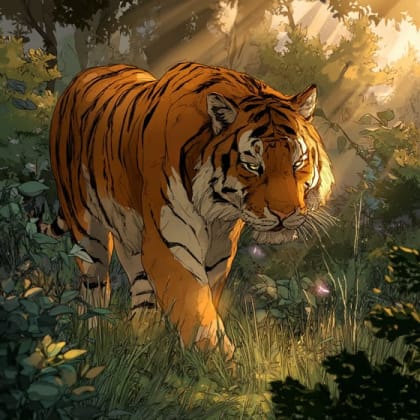
Explore diverse habitats, from the expansive savannas of Camp Cowabunga and the new Giraffe & Friends exhibit, to the serene beauty of the Kay McFarland Japanese Garden. Witness majestic African lions, playful river otters, and critically endangered Sumatran tigers. The Tropical Rainforest teems with free-roaming birds, Hoffmann's two-toed sloths, and Indian flying foxes, offering an intimate glimpse into these fascinating creatures' lives.
A visit to the Topeka Zoo is more than just seeing animals; it's an opportunity to connect with nature, learn about global conservation efforts, and create lasting memories. With its manageable size and continuous dedication to animal care and visitor experience, the zoo makes for a perfect day out, encouraging exploration, education, and appreciation for the natural world. Be ready to snap and learn! Get the Snappit app to identify any nature species you find here.
The Topeka Zoo, originally known as the Gage Park Zoo, has a rich history dating back to 1933. Its foundation was laid when the Gage Family generously donated 80 acres to the city of Topeka in 1899 for a public park. Over the years, the park expanded to include various amenities, with the zoo officially opening its doors decades later. A significant turning point came in 1963 with the hiring of Gary K. Clarke, the zoo's first director, who spearheaded the construction of many iconic exhibits, including the pioneering Tropical Rainforest. While the zoo faced challenges, temporarily losing its Association of Zoos and Aquariums (AZA) accreditation in 2001, it diligently worked to regain it by 2003 through major overhauls and new additions, reaffirming its commitment to animal welfare and conservation. In 2016, it was renamed the Topeka Zoo and Conservation Center to better reflect its mission.
Beyond animal viewing, engage with interactive exhibits, watch animal feedings, explore the Children's Zoo with domestic animals, and browse the gift shop for unique items, including animal-created art. Consider purchasing food from feed dispensers for waterbirds and Children's Zoo animals.
Summer can be hot, so plan for early visits. The zoo hosts special seasonal events like "Boo at the Zoo" in October and "Zoo Lights" during the holidays, which are popular but can draw larger crowds. Member Mornings in July offer extra early access to beat the heat.
The Topeka Zoo is widely accessible for guests using manual and electric wheelchairs and is recognized as a KultureCity Certified Sensory Inclusive Venue. Service animals are welcome, though some areas may have restrictions for animal welfare. Wheelchair and electric scooter rentals are available.
One of the first indoor rainforests in the U.S., featuring free-roaming birds, Hoffmann's two-toed sloths, and Indian flying foxes.
An immersive African safari experience showcasing African lions, cheetahs, and patas monkeys.
A new 3.5-acre habitat where visitors can see reticulated giraffes, lesser kudu, ostriches, and Thomson's gazelles, with indoor and outdoor viewing platforms.
A tranquil space offering a peaceful contrast to the animal exhibits.
Each card links to a full Explore page with photos, traits, and fun facts.
Start with the big picture, then zoom in to explore individual wildlife observations around this place.
Arrive Early
Visit right at opening, especially on weekends or during warm weather, to enjoy cooler temperatures and smaller crowds.
Utilize Gage Park Amenities
The zoo is located within Gage Park, which offers additional attractions like a mini-train and carousel, making it easy to extend your day with family fun outside the zoo.
Download the Mobile App
The Topeka Zoo Travel Guide app offers interactive maps, audio tours, species information, and a daily event calendar.
Bring Snacks and Quarters
While food is available, bringing your own snacks can be convenient. Carry quarters for feed dispensers in the Children's Zoo or waterbird areas for interactive experiences.
Check for Special Events
Review the zoo's calendar for events like "Boo at the Zoo" or "Zoo Lights" which offer unique experiences, but also plan for potential crowds.
Wear Comfortable Shoes and Sunscreen
With wide walkways and many outdoor exhibits, comfortable footwear is a must, and sunscreen is advisable for sunny Kansas days.
Jun 2, 2026
Photo attribution
(c) Robert Hoard, some rights reserved (CC BY)
License: CC BY 4.0 ↗
Image may be shown cropped inside the card frame.
May 27, 2026
Photo attribution
(c) Robert Hoard, some rights reserved (CC BY)
License: CC BY 4.0 ↗
Image may be shown cropped inside the card frame.
May 27, 2026
Photo attribution
(c) Robert Hoard, some rights reserved (CC BY)
License: CC BY 4.0 ↗
Image may be shown cropped inside the card frame.
May 27, 2026
Photo attribution
(c) Robert Hoard, some rights reserved (CC BY)
License: CC BY 4.0 ↗
Image may be shown cropped inside the card frame.
May 25, 2026
Photo attribution
(c) Robert Hoard, some rights reserved (CC BY)
License: CC BY 4.0 ↗
Image may be shown cropped inside the card frame.

Michigan, US
You might spot African Lion, Komodo Dragon, and Brown Bear.
View guide →
.jpg)
Municipal District of Cobh, IE
You might spot Ring-Tailed Lemur, Giraffes, and Cheetahs.
View guide →

Nouvelle-Aquitaine, FR
You might spot Greater Flamingo, Giraffes, and Red Panda.
View guide →

Texas, US
You might spot Giraffes, African Lion, and Eastern Black Rhinoceros.
View guide →
Take the discovery with you
Identify the wildlife you spot, learn as you go, and keep a collection of the adventure.