





Pear-shaped Weevils
Apioninae
Pear-shaped weevils are tiny bugs that have a funny shape like a pear! They love to munch on plants and can be found in gardens and fields.
Habitat: Gardens
The Pear-shaped Weevils has a distinctly pear-shaped or ovate body, often appearing black, dark blue, or metallic green. They possess a long, slender snout, called a rostrum, which is typically curved and prominent. Their antennae are usually elbowed.
Category
InsectsRarity
Common
Danger
1/5 · Very low
Snaps
Be the first to snap!
Many pear-shaped weevils are so tiny, they can fit on a pinhead!
Some can play dead by pulling in their legs and falling still!
Their babies munch seeds from the inside, leaving them like empty shells!
They belong to the biggest beetle family in the entire world!
Pear-shaped Weevils can bore into plant seeds with their long snout because it helps them access food and lay eggs safely.
Pear-shaped Weevils has a compact, hard pear-shaped body that helps them fit snugly into plant crevices or protect against predators.
Pear-shaped Weevils can develop entirely inside plant seeds because their larvae are perfectly adapted to feed and grow within this protective food source.
These tiny insects munch on various plant parts, especially seeds and flowers.
Age differences: Larvae feed internally on seeds; adults typically feed on leaves, stems, or pollen.

Trifolium repens
Adults feed on foliage, larvae develop in seeds.

Medicago sativa
Adults and larvae consume various plant parts.
Araneus diadematus
Small weevils can become prey for various spiders.
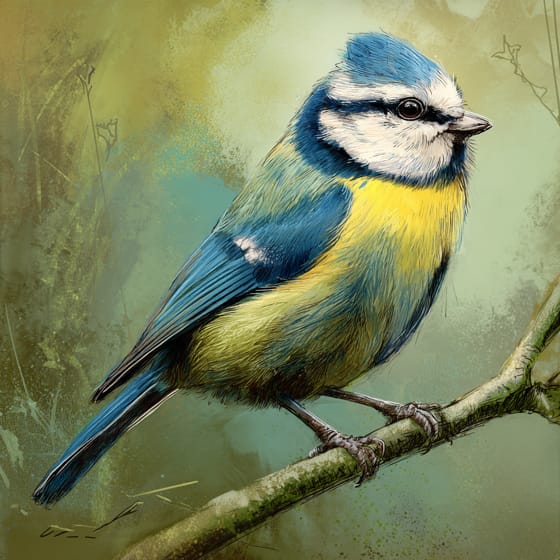
Cyanistes caeruleus
Insectivorous birds commonly prey on weevils.
Solitary animals live alone for most of their lives, only interacting with others for mating or parental care.
Colorful describes organisms or objects displaying a wide range of bright and distinct colors.
This trait characterizes organisms whose diet consists entirely or primarily of plant material.
Pertaining to species that are significantly smaller than typical or average for their kind.

Describes organisms that transfer pollen, enabling the fertilization and reproduction of plants.
No aliases listed yet.
Danger
1/5 · Very low
It's best to look at weevils from a distance and not touch them.
The easiest way to identify Pear-shaped Weevils is to use the Snappit nature identifier app.
1-4 mm
60-180 days
These tiny insects munch on various plant parts, especially seeds and flowers.
Gardens
Foraging
6
Zoom in to split clusters and explore where this object has been snapped.
Recent snaps will appear here as new observations are added.
Take the discovery with you
Snap it with Snappit to identify it, learn what makes it special, and add the discovery to your collection.









.jpg&width=800)



