.jpg&width=800)





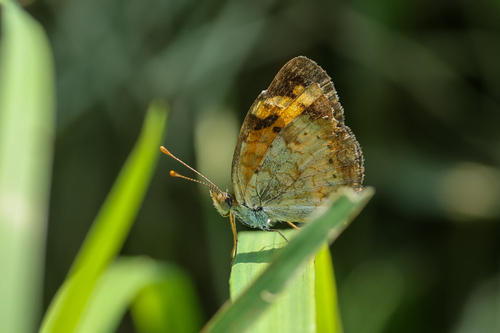
Pearl Crescent
Phyciodes tharos
The Pearl Crescent is a beautiful butterfly with orange and black patterns on its wings. It flutters around gardens and fields, bringing joy to everyone who sees it!
Habitat: Grasslands
The Pearl Crescent is a small butterfly with a vibrant orange and black checkered pattern on its upper wings. Its most distinguishing feature is a small, pale crescent shape near the margin of its hindwings, particularly noticeable on the underside, giving it its name.
Category
InsectsRarity
Common
Danger
1/5 · Very low
Snaps
44
Males often perch in the same sunny spot each day, waiting for a female.
Some Pearl Crescent butterflies undertake short migratory flights to new habitats.
The unique 'pearl' spot is easiest to see on the underside of their hindwings.
Their spiky, dark caterpillars mostly feed at night, resting hidden during the day.
Pearl Crescent can sip sweet flower nectar with its long, coiled proboscis, which helps it gain energy for flying and laying eggs.
Pearl Crescent has mottled orange and brown wings that help it blend perfectly with dried leaves or patchy flowers, hiding from hungry birds.
Pearl Crescent can fly quickly and erratically, using its agility to dodge predators and make swift getaways through dense vegetation.
Male Pearl Crescents can fiercely guard small sunny spots, chasing away rival butterflies to attract mates.
Caterpillars munch on aster leaves, while adult butterflies enjoy sipping sweet flower nectar.
Age differences: Caterpillars primarily eat plant leaves, while adults only consume liquid nectar.
.jpg&width=800)
Symphyotrichum novae-angliae
Adults visit for nectar, helping the plant reproduce.
Symphyotrichum pilosum
Caterpillars munch its leaves as their primary food source.
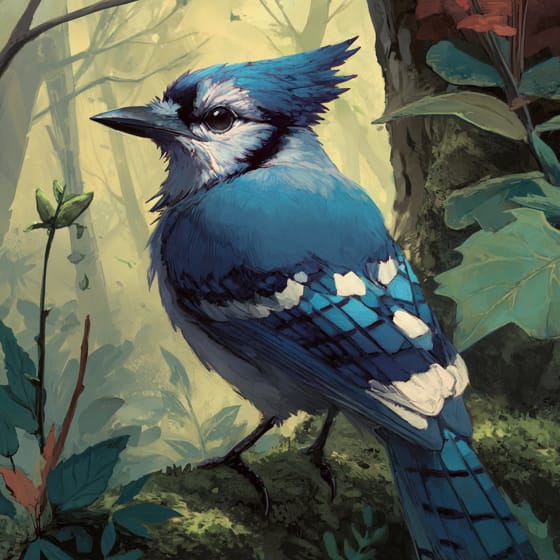
Cyanocitta cristata
A common bird that preys on adult butterflies.
Misumena vatia
Often ambushes adult butterflies visiting flowers for nectar.
Solitary animals live alone for most of their lives, only interacting with others for mating or parental care.
Camouflaged describes organisms that possess coloring or patterns that allow them to blend into their environment.
Colorful describes organisms or objects displaying a wide range of bright and distinct colors.
Grassland habitats are terrestrial biomes dominated by grasses and herbaceous plants, supporting a variety of grazing animals.

This trait characterizes organisms whose diet consists entirely or primarily of plant material.

Describes plants that are particularly attractive and beneficial to a wide range of pollinating organisms.

Diurnal animals are primarily active during daylight hours, typically resting or sleeping at night.

Describes organisms that transfer pollen, enabling the fertilization and reproduction of plants.
No aliases listed yet.
Danger
1/5 · Very low
Butterflies are gentle creatures, but it's best to watch them from a distance and not touch them.
The easiest way to identify Pearl Crescent is to use the Snappit nature identifier app.
25-40 mm
12-20 mm
5-10 days
12 km/h
Caterpillars munch on aster leaves, while adult butterflies enjoy sipping sweet flower nectar.
Grasslands
Foraging
Zoom in to split clusters and explore where this object has been snapped.
Aug 3, 2025
Scales Mound Historic DistrictPhoto attribution
(c) Tom Field, some rights reserved (CC BY)
License: CC BY 4.0 ↗
Image may be shown cropped inside the card frame.

Michigan, US
You might spot Eastern Gray Squirrel, Tree-Of-Heaven, and House Sparrow.
View guide →

Iowa, US
You might spot Common Eastern Bumble Bee and Eastern Cottontail.
View guide →

South Carolina, US
You might spot Joro Spider, Pickerelweed, and Great Blue Heron.
View guide →

Connecticut, US
You might spot Downy Woodpecker and Eastern Gray Squirrel.
View guide →
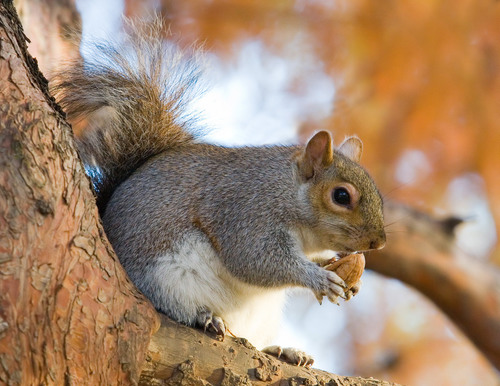
Georgia, US
You might spot Eastern Gray Squirrel, Domestic Cat, and American Robin.
View guide →

Georgia, US
You might spot Joro Spider, American Sweetgum, and American Tuliptree.
View guide →
Take the discovery with you
Snap it with Snappit to identify it, learn what makes it special, and add the discovery to your collection.






.jpg&width=800)



