





Penstemon
Penstemon
Penstemon is a colorful flower that attracts bees and butterflies with its vibrant petals. It blooms in various shades like pink, purple, and red, adding beauty to gardens and meadows.
Habitat: Grasslands
The Penstemon has showy, tubular, often two-lipped flowers clustered on tall spikes. Its vibrant blooms come in shades of purple, blue, pink, red, or white, creating a striking visual against green foliage.
Category
PlantsRarity
Common
Danger
1/5 · Very low
Snaps
Be the first to snap!
Its common name, "Beardtongue," refers to the fuzzy, sterile stamen inside each flower!
Penstemon plants can grow in habitats ranging from hot deserts to cold mountain tops!
Some Penstemon species can actually change their flower color as they get older.
There are over 270 different kinds of Penstemon, mostly found across North America!
Penstemon can attract hummingbirds and bees with its brightly colored, tubular flowers that offer sweet nectar.
Penstemon has a fuzzy fifth stamen, called a staminode, that guides pollinators deep into its flower for nectar.
Many Penstemon species can survive dry conditions thanks to their tough, water-wise roots and foliage.
Bombus impatiens
Drinks nectar and collects pollen

Archilochus colubris
Feeds on nectar with its long beak
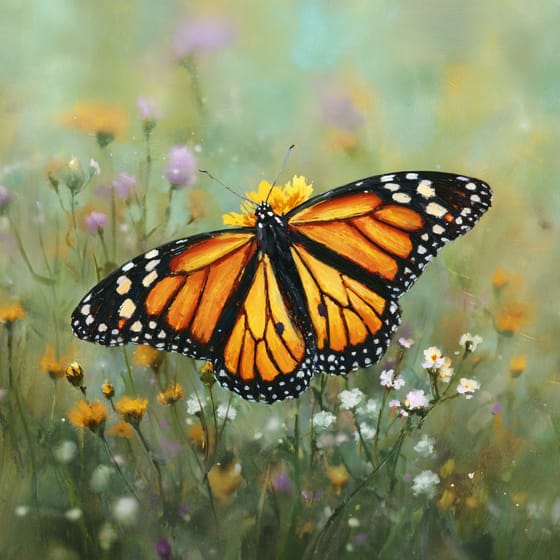
Danaus plexippus
Visits flowers for sweet nectar
Bell-shaped flowers possess petals fused or arranged to form a cup-like or campanulate structure resembling a bell.
Flowering plants are any plants that produce flowers as part of their reproductive cycle.
A tube flower has petals fused together at the base, forming a distinct tubular structure that typically holds nectar deep within.
Colorful describes organisms or objects displaying a wide range of bright and distinct colors.

Grassland habitats are terrestrial biomes dominated by grasses and herbaceous plants, supporting a variety of grazing animals.
Danger
1/5 · Very low
Enjoy the beauty of Penstemon flowers from a safe distance and avoid picking them in the wild.
The easiest way to identify Penstemon is to use the Snappit nature identifier app.
15-150 cm
30-90 cm
1-5 cm
Late spring to late summer
No
None
Perennial
Zoom in to split clusters and explore where this object has been snapped.
Recent snaps will appear here as new observations are added.
Take the discovery with you
Snap it with Snappit to identify it, learn what makes it special, and add the discovery to your collection.








.jpg&width=800)



_001.jpg&width=800)




