

Peppervine
nekemias arborea
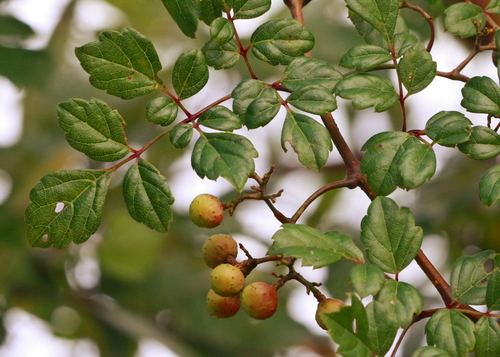
Peppervine (Nekemias arborea, formerly Ampelopsis arborea) is a fast-growing, native, woody climbing vine commonly found draped over fences, shrubs, and trees across the southeastern United States. A member of the grape family (Vitaceae), this vigorous perennial is often noticed for its exceptionally attractive, finely divided foliage and clusters of small, jewel-toned berries that transition from green to pink, magenta, and finally dark purplish-black. While its aggressive growth habit can sometimes earn it a reputation as a nuisance or a weed in garden settings, Peppervine plays a valuable ecological role in its native habitats. It offers dense shelter for small wildlife and produces abundant fruit that sustains both resident and migratory birds throughout the late summer and fall.
Habitat: Found in moist bottomland forests, swamps, and along stream banks, often climbing over trees and shrubs.
Peppervine is easily distinguished by its compound leaves, which are usually bipinnately or tripinnately divided into small, sharply toothed, dark green leaflets. This gives the vine a lacy, fern-like texture that sets it apart from most other North American vines in the grape family. In late summer and autumn, it bears sparse clusters of distinctive berries that ripen unevenly, often displaying a striking mix of pale pink, bright magenta, blue, and black fruits simultaneously on the exact same cluster. Its woody stems climb aggressively by using slender, forked tendrils that wrap tightly around supporting branches and structures.
Category
PlantsRarity
Common
Danger
1/5 · Very low
Snaps
12
Although it belongs to the grape family, Peppervine berries are unpalatable and mildly toxic to humans, causing a burning sensation in the mouth and throat due to calcium oxalate crystals.
It was recently reclassified by botanists; for a long time, the plant was known scientifically as Ampelopsis arborea before genetic evidence placed it into the genus Nekemias.
Its highly divided, lacy, bipinnate leaves look completely different from the broad, solid leaves of true wild grapes, making it a morphological anomaly among its North American relatives.
Utilizes specialized, twining tendrils to rapidly scale trees, fences, and utility poles, allowing it to outcompete ground flora for canopy sunlight.
Contains needle-like raphides of calcium oxalate in its sap and berries, which deter many mammalian herbivores and can cause severe burning sensations if ingested.
Produces berry clusters that ripen at staggered rates, extending the timeframe that attractive fruit is available to seed-dispersing birds.
As a photosynthetic plant, Peppervine generates its own energy from sunlight while absorbing water and essential nutrients from the soil.
Age differences: Seedlings initially rely on endosperm reserves stored within the seed before developing true leaves to begin photosynthesis.
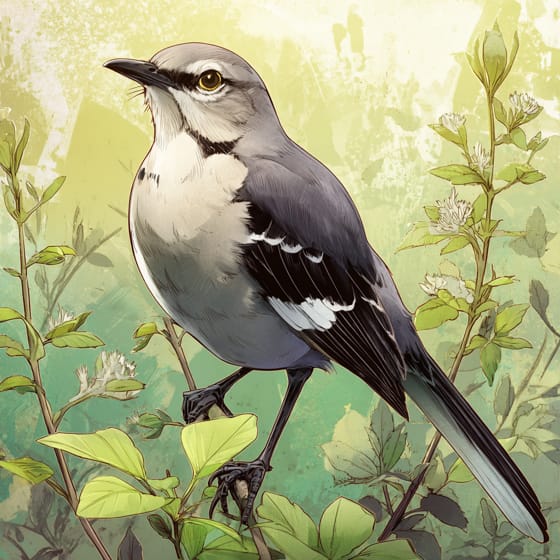
Mimus polyglottos
Birds consume the ripe berries and help disperse the seeds to new areas.
Eumorpha vitis
The foliage serves as a crucial food source for the caterpillars of this moth species.
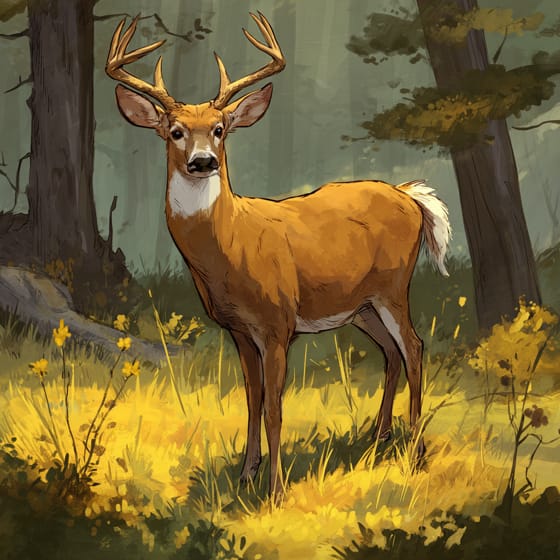
Odocoileus virginianus
Mammals occasionally browse on the leaves and young shoots despite the plant's chemical defenses.
No trait badges are assigned for this object yet.
No aliases listed yet.
Collections for this object will appear here as more themes are added.
Danger
1/5 · Very low
No special safety notes yet.
The easiest way to identify Peppervine is to use the Snappit nature identifier app.
300-1500 cm
10-50 years
As a photosynthetic plant, Peppervine generates its own energy from sunlight while absorbing water and essential nutrients from the soil.
Found in moist bottomland forests, swamps, and along stream banks, often climbing over trees and shrubs.
Photosynthesis
Zoom in to split clusters and explore where this object has been snapped.

Alabama, US
You might spot Elf Orpine, Canada Goose, and Leatherleaf Mahonia.
View guide →

Alabama, US
You might spot American Beautyberry, White-Tailed Deer, and Peppervine.
View guide →

South Carolina, US
You might spot Brown Pelican, Boat-Tailed Grackle, and Great Egret.
View guide →

Alabama, US
You might spot Anole, Bee, and Bristle Thistle.
View guide →

Alabama, US
You might spot Anole, Bee, and Bristle Thistle.
View guide →

Georgia, US
You might spot Eastern Gray Squirrel, Domestic Cat, and American Robin.
View guide →
Take the discovery with you
Snap it with Snappit to identify it, learn what makes it special, and add the discovery to your collection.











.jpg&width=800)



_001.jpg&width=800)




