





Perentie
Varanus giganteus
The Perentie is a large lizard that can grow over 2 meters long! It is a fast runner and loves to bask in the sun. These amazing reptiles are found in Australia and are great at climbing trees.
Habitat: Desert
The Perentie is Australia's largest monitor lizard, boasting a striking dark brown to black body adorned with a mosaic of cream-yellow spots and rings. Its powerful tail often displays bands, making it instantly recognizable among other lizards.
Category
ReptilesRarity
Common
Danger
3/5 · Moderate
Snaps
Be the first to snap!
Australia's longest lizard, stretching over 2.5 meters (8 feet) long!
Can stand tall on its hind legs to spot predators or prey far away.
Its incredibly strong tail is used as a whip for defense or for balance!
Lays eggs deep inside warm termite mounds, using them as natural incubators.
Perentie has an amazing sense of smell, using its forked tongue to 'taste' the air and track prey from far away.
Perentie can 'gular pump' its throat to force air into its lungs, helping it breathe efficiently while running fast.
Perentie can learn and remember complex routes, demonstrating intelligence that helps them find food and avoid danger.
Perenties possess a mild venom that helps subdue their prey, making hunting more efficient and safer.
These large lizards are expert hunters, feasting on almost any animal they can catch!
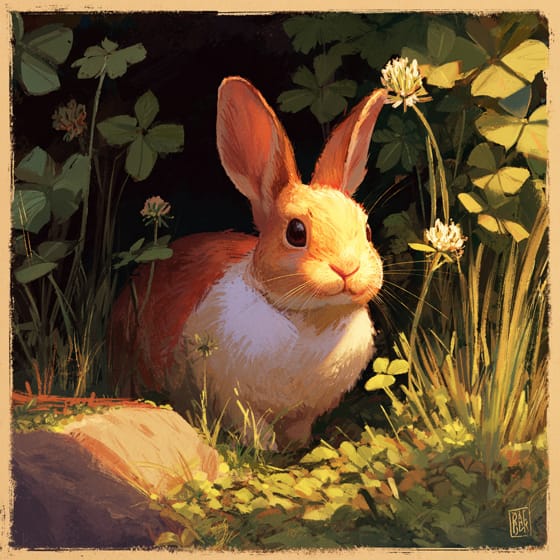
Oryctolagus cuniculus
A major food source in its habitat.
Pseudonaja textilis
Known to prey on venomous snakes.
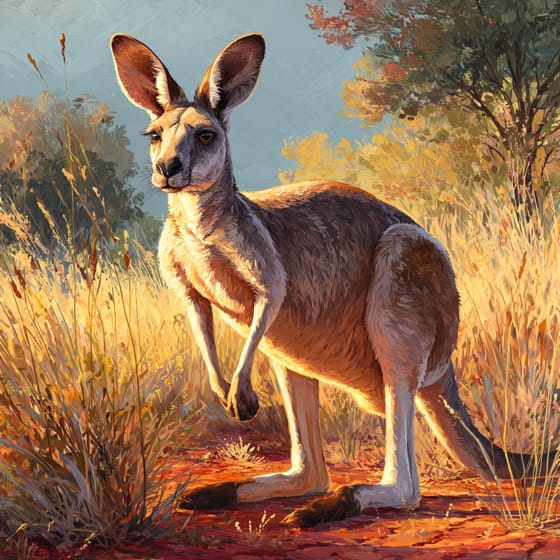
Macropus rufus
Will scavenge on carrion or hunt young.
Aquila audax
Juvenile Perenties can fall prey to eagles.
Solitary animals live alone for most of their lives, only interacting with others for mating or parental care.
Arboreal animals live primarily in trees, utilizing them for shelter, food, and protection from predators.
Camouflaged describes organisms that possess coloring or patterns that allow them to blend into their environment.
Desert habitats are arid regions characterized by extremely low precipitation and often extreme temperatures, supporting specialized flora and fauna.

This trait identifies organisms whose diet consists entirely or primarily of animal tissue.

Diurnal animals are primarily active during daylight hours, typically resting or sleeping at night.

This trait identifies organisms that exhibit exceptional swiftness in movement for hunting, escape, or travel.

Giant describes organisms or objects of significantly larger size than average for their species or type.
Danger
3/5 · Moderate
Always watch from a distance and never try to touch wild lizards.
The easiest way to identify Perentie is to use the Snappit nature identifier app.
175-250 cm
6-25 kg
15-20 years
40 km/h
These large lizards are expert hunters, feasting on almost any animal they can catch!
Desert
Pursuit
Zoom in to split clusters and explore where this object has been snapped.
Recent snaps will appear here as new observations are added.
Take the discovery with you
Snap it with Snappit to identify it, learn what makes it special, and add the discovery to your collection.












