





Perez's sea lavender
Limonium perezii
Perez's sea lavender is a pretty flower that grows near the coast. It has small purple flowers that look like tiny stars and can bloom for a long time, making it a lovely sight by the sea.
Habitat: Coastal areas
The Perez's sea lavender has vibrant, papery purple-violet flowers clustered in large, branched sprays. Its paddle-shaped, leathery green leaves grow in a rosette at the base, providing a striking contrast to the airy floral display.
Category
PlantsRarity
Common
Danger
1/5 · Very low
Snaps
1
Each tiny flower cluster looks like a cloud, but is made of many individual, long-lasting florets!
Gardeners sometimes call it 'statice' because its beautiful blooms seem to last forever, never fading!
Its scientific name means 'meadow' in Greek, yet it thrives on rocky, salty coasts!
The seeds are so light, they can be carried by ocean breezes to start new plants on distant shores!
Perez's sea lavender can thrive in salty coastal soils, thanks to special adaptations that handle high salt levels.
Its papery flowers retain their vibrant color and shape long after being cut, making them popular for dried arrangements.
Perez's sea lavender has thick, leathery leaves that help it store water and survive in dry, sunny environments.
Apis mellifera
Collects nectar and pollen from the flowers.
Bombus terrestris
Visits blooms for nectar, aiding in reproduction.
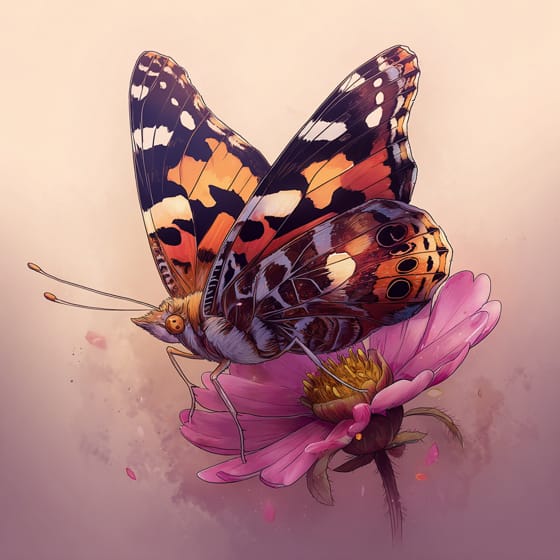
Vanessa cardui
Feeds on nectar, transferring pollen between plants.
Flowering plants are any plants that produce flowers as part of their reproductive cycle.
Ornamental plants are cultivated primarily for their aesthetic appeal, enhancing landscapes and gardens with their attractive foliage, flowers, or form.
Everblooming plants produce flowers continuously or in repeated flushes over a long period.
Salt tolerant plants can withstand and grow in conditions with elevated salinity levels in the soil or water.

Drought-tolerant plants can survive and flourish in conditions with limited water availability.

Colorful describes organisms or objects displaying a wide range of bright and distinct colors.

Describes plants that are particularly attractive and beneficial to a wide range of pollinating organisms.

Coastal habitats are dynamic environments located along the interface between land and sea, influenced by tides, waves, and saltwater.
No aliases listed yet.
Danger
1/5 · Very low
Always look but don't touch flowers without asking an adult first.
The easiest way to identify Perez's sea lavender is to use the Snappit nature identifier app.
30-60 cm
30-45 cm
0.5-1 cm
Summer-fall
No
None
Perennial
Zoom in to split clusters and explore where this object has been snapped.

California, US
You might spot Hollyleaf Cherry, Toyon, and Lemonade Berry.
View guide →
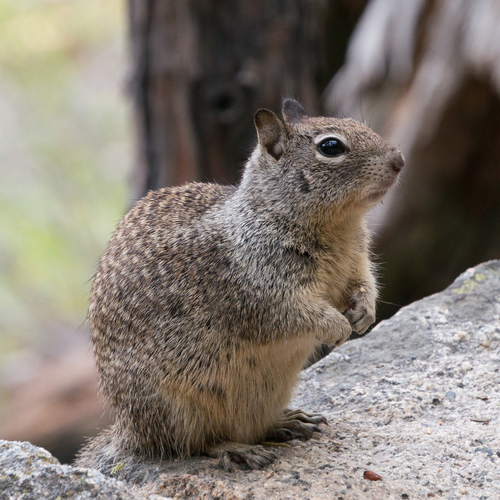
California, US
You might spot California Ground Squirrel and Coast Cholla.
View guide →

California, US
You might spot Fingertips, Lemonade Berry, and California Boxthorn.
View guide →
Take the discovery with you
Snap it with Snappit to identify it, learn what makes it special, and add the discovery to your collection.








.jpg&width=800)



_001.jpg&width=800)




