





Phyllomedusa sauvagii
Phyllomedusa sauvagii
The Phyllomedusa sauvagii, also known as the waxy monkey tree frog, is a bright green frog that loves to climb trees. It has special skin that helps it stay moist and safe in its home high up in the leaves.
Habitat: Forests
The Phyllomedusa sauvagii has a vibrant lime-green body with a creamy white belly. Its sides and inner legs feature striking reddish-orange markings. It has large, dark eyes with vertical pupils, and its skin appears somewhat waxy.
Category
AmphibiansRarity
Common
Danger
1/5 · Very low
Snaps
Be the first to snap!
It can reabsorb water from its bladder, staying hydrated for weeks!
These frogs 'sunbathe' to help them spread their protective waxy coating!
They build amazing leaf nests by folding leaves over water to lay eggs!
Unlike most frogs, Waxy Monkey Frogs usually walk instead of hopping.
Phyllomedusa sauvagii can produce a unique waxy secretion that covers its skin, helping prevent dehydration in dry environments.
Phyllomedusa sauvagii can absorb and store water in its bladder, helping them survive long periods without hydration.
Phyllomedusa sauvagii has backward-facing spikes on its feet that help them grip leaves and branches for climbing.
Phyllomedusa sauvagii has large, adhesive toe pads that help them stick to smooth surfaces, perfect for tree-climbing.
This frog enjoys a diet of various insects and small invertebrates it catches in its arboreal home.
Bothrops alternatus
This snake may prey on adult frogs in their habitat.
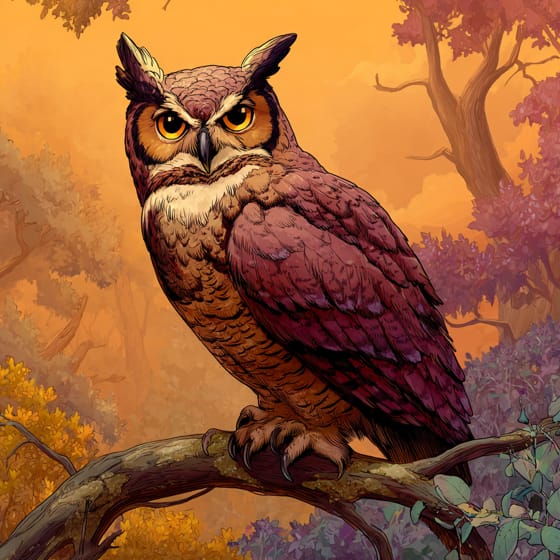
Bubo virginianus
Nocturnal owls hunt frogs from the tree canopy.
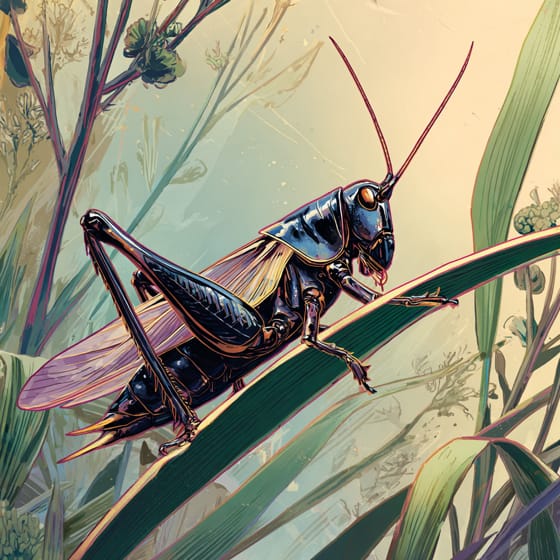
Gryllus assimilis
A common insect prey item found in the frog's habitat.
.jpg&width=800)
Spodoptera frugiperda
This moth is a common food source for the frogs.
Social animals live in organized groups, cooperating for survival benefits such as foraging, defense, and raising offspring.
Singing animals produce complex vocalizations, often for purposes of attracting mates, defending territory, or communicating within their species.
Arboreal animals live primarily in trees, utilizing them for shelter, food, and protection from predators.
Camouflaged describes organisms that possess coloring or patterns that allow them to blend into their environment.

Colorful describes organisms or objects displaying a wide range of bright and distinct colors.

This trait identifies organisms whose diet primarily consists of insects and other small invertebrates.

Thermoregulating organisms maintain a stable internal body temperature despite fluctuations in the external environment.

Forest habitats are terrestrial environments dominated by dense tree cover, supporting a high diversity of plant and animal life.

Nocturnal animals are primarily active during the nighttime hours, typically resting or sleeping during the day.

Endangered status indicates a species is at a very high risk of extinction in the wild in the near future.
Danger
1/5 · Very low
Always watch frogs from a distance and don't touch them, as they can be delicate.
The easiest way to identify Phyllomedusa sauvagii is to use the Snappit nature identifier app.
5-7.5 cm
0.01-0.025 kg
5-10 years
This frog enjoys a diet of various insects and small invertebrates it catches in its arboreal home.
Forests
Foraging
300-800
Zoom in to split clusters and explore where this object has been snapped.
Recent snaps will appear here as new observations are added.
Take the discovery with you
Snap it with Snappit to identify it, learn what makes it special, and add the discovery to your collection.







.JPG&width=800)

.jpg&width=800)

