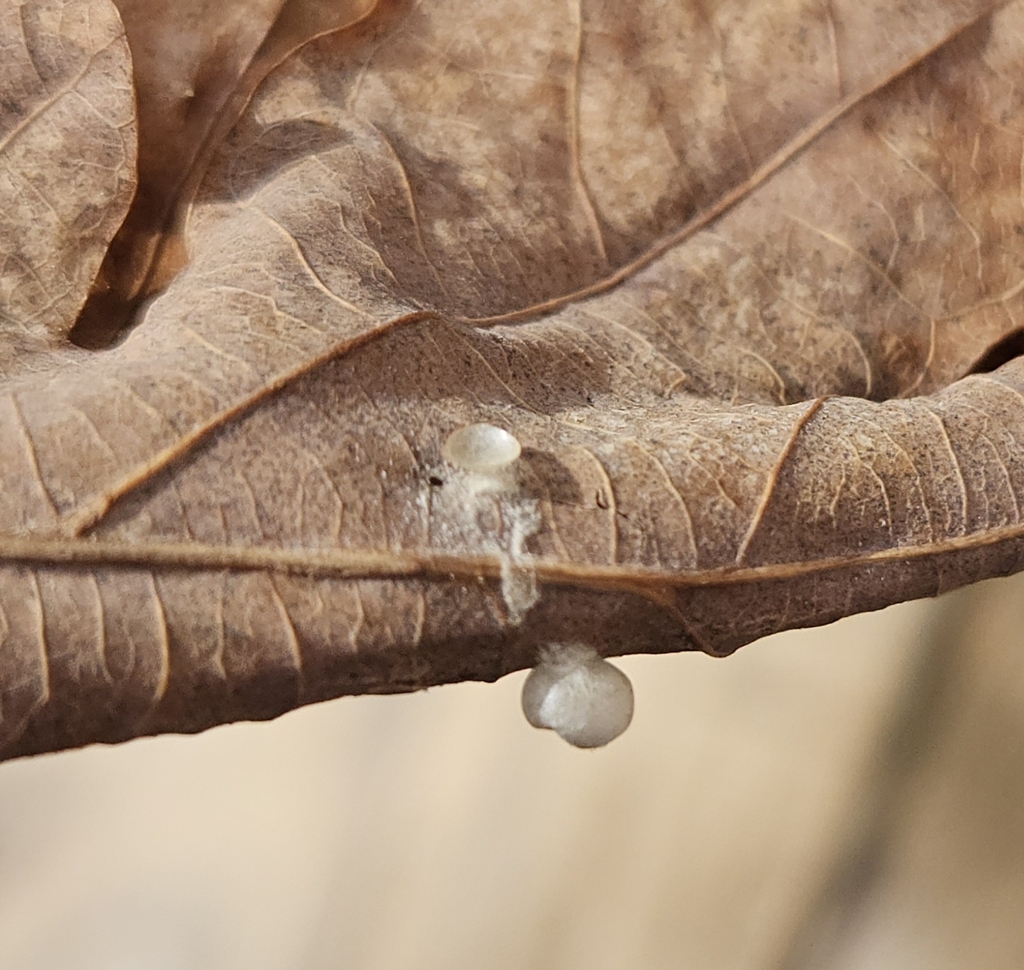





Phylloteras rubinum
Phylloteras rubinum
Phylloteras rubinum is a special type of beetle known for its bright red color. These little bugs love to hide in plants and are often found in gardens, making them fun to spot!
Habitat: Gardens
The Phylloteras rubinum is a small, oval-bodied beetle characterized by its striking, metallic ruby-red exoskeleton. Its antennae are relatively short and segmented, contrasting subtly with its vibrant body, making it stand out against green foliage.
Category
InsectsRarity
Common
Danger
1/5 · Very low
Snaps
Be the first to snap!
Its ruby-red shell is super tough, protecting it like a tiny suit of armor!
The baby Phylloteras rubinum, called a larva, looks like a tiny, bumpy worm!
Tiny hooks on its feet help it cling to leaves, even upside down!
When threatened, this beetle can play dead, lying still until the danger passes!
Phylloteras rubinum can produce bitter-tasting chemicals because of glands in its body that deter predators from eating it.
Phylloteras rubinum has powerful mandibles that help them efficiently chew through tough plant leaves and stems for food.
Phylloteras rubinum can quickly unfold its hidden wings and take rapid flight to escape danger or find new food sources.
This beetle enjoys munching on various plant leaves and flowers to get its energy.
Age differences: Larvae typically consume younger, more tender leaves than adults.

Cyanocitta cristata
Blue Jays often prey on insects found on foliage.

Quercus alba
Feeds on the leaves, leaving distinctive chew marks.
Araneus diadematus
Caught in webs when flying between plants.

Rosa multiflora
Can cause damage to leaves and young shoots.
Solitary animals live alone for most of their lives, only interacting with others for mating or parental care.
Colorful describes organisms or objects displaying a wide range of bright and distinct colors.
This trait characterizes organisms whose diet consists entirely or primarily of plant material.
Diurnal animals are primarily active during daylight hours, typically resting or sleeping at night.
Describes a species whose presence and role have a disproportionately large effect on its environment.
This habitat trait indicates species that can coexist with humans in urban and suburban environments, utilizing man-made structures and green spaces.
Describes organisms that transfer pollen, enabling the fertilization and reproduction of plants.
No aliases listed yet.
Danger
1/5 · Very low
Be gentle and watch where you step to protect these little beetles.
Look for six legs, antennae, three body sections and the shape of the wings. Beetles have hardened front wings; flies have just one working pair. Tiny insects may need a close view before their group is clear. Insect Identifier: upload a photo and compare the visible details.
15-25 mm
5-10 mm
30-90 days
12 km/h
This beetle enjoys munching on various plant leaves and flowers to get its energy.
Gardens
Foraging
Zoom in to split clusters and explore where this object has been snapped.
Recent snaps will appear here as new observations are added.
Take the discovery with you
Snap it with Snappit to identify it, learn what makes it special, and add the discovery to your collection.