




Phylloxera Caryaemagna
phylloxera caryaemagna
Phylloxera Caryaemagna is a tiny insect that loves to munch on the leaves of certain trees. You'll often find them in groups, busy at work on their favorite plants!
Habitat: They live in forests and gardens where their favorite trees grow.
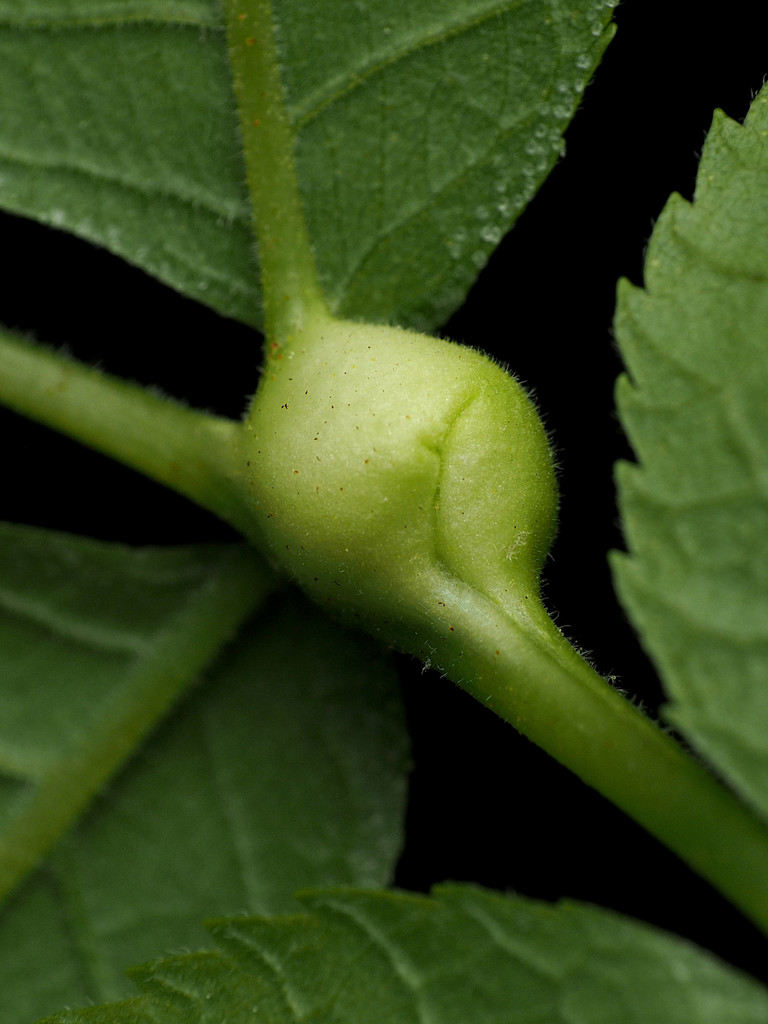
The Phylloxera Caryaemagna is a tiny, soft-bodied insect, typically yellowish to brownish, with an oval or pear-shaped body. Its most noticeable sign is the distinctive, wart-like galls it creates on the leaves of hickory and pecan trees, which appear as bumpy growths.
Category
InsectsRarity
Common
Danger
1/5 · Very low
Snaps
Be the first to snap!
Each protective gall can actually house hundreds of these tiny insects inside!
Their galls can look like tiny green or reddish marbles on tree leaves!
These tiny insects can cause tree leaves to curl, making them look lumpy.
They drink sap using a long, needle-like mouthpart, just like a tiny straw.
Phylloxera Caryaemagna can create protective galls on leaves because of special saliva that causes plant tissue to grow around them, providing a safe home.
Phylloxera Caryaemagna can reproduce without a mate through a process called parthenogenesis, quickly producing many offspring.
Phylloxera Caryaemagna has a complex life cycle with different body forms, including winged and wingless stages, that helps them spread and thrive.
These tiny insects drink sugary sap directly from the leaves of hickory and pecan trees.

Carya illinoinensis
Feeds on sap and forms galls on its leaves.
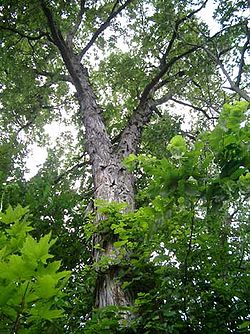
Carya ovata
Feeds on sap and forms galls on its leaves.
Hippodamia convergens
Lady beetle larvae and adults prey on phylloxera.
Chrysoperla carnea
Larvae are important predators of these tiny insects.
Social animals live in organized groups, cooperating for survival benefits such as foraging, defense, and raising offspring.
Arboreal animals live primarily in trees, utilizing them for shelter, food, and protection from predators.
Colorful describes organisms or objects displaying a wide range of bright and distinct colors.
This trait characterizes organisms whose diet consists entirely or primarily of plant material.
Forest habitats are terrestrial environments dominated by dense tree cover, supporting a high diversity of plant and animal life.
Danger
1/5 · Very low
No special safety notes yet.
Look for six legs, antennae, three body sections and the shape of the wings. Beetles have hardened front wings; flies have just one working pair. Tiny insects may need a close view before their group is clear. Insect Identifier: upload a photo and compare the visible details.
2-3 mm
1-2 mm
30-60 days
These tiny insects drink sugary sap directly from the leaves of hickory and pecan trees.
They live in forests and gardens where their favorite trees grow.
Foraging
6
Zoom in to split clusters and explore where this object has been snapped.
Recent snaps will appear here as new observations are added.
Take the discovery with you
Snap it with Snappit to identify it, learn what makes it special, and add the discovery to your collection.