





Eastern Leaf-footed Bug
Leptoglossus phyllopus
The Eastern Leaf-footed Bug is a cool insect with flat, leaf-like legs that help it blend in with plants. It has a brownish color and can be found in gardens and fields, making it fun to spot!
Habitat: Urban areas
The Eastern Leaf-footed Bug is a dark brown or black insect, easily recognized by the flattened, leaf-like expansions on its hind legs. It often features a distinctive white or yellow band horizontally across its back wings. This feature helps distinguish it from other similar-sized bugs.
Category
InsectsRarity
Common
Danger
1/5 · Very low
Snaps
14
Baby leaf-footed bugs, called nymphs, are often spiky and bright orange when young.
Their long, piercing mouthpart is tucked safely underneath their body when not eating.
They can sometimes mimic wasps with their buzzing sound to scare away animals.
They can survive mild frosts by hiding in sheltered spots.
Eastern Leaf-footed Bug has hind legs with flat, leaf-like parts that help them blend perfectly into plant foliage.
Eastern Leaf-footed Bug can use its long, needle-like mouthpart to drink tasty juices from various plants and fruits.
Eastern Leaf-footed Bug can release a foul-smelling odor when threatened, helping them deter predators.
This bug uses its straw-like mouth to drink the tasty juices from many fruits and plants.

Solanum lycopersicum
saps essential nutrients from the plant and fruit

Cucurbita pepo
drinks sap from squash vines and developing fruits
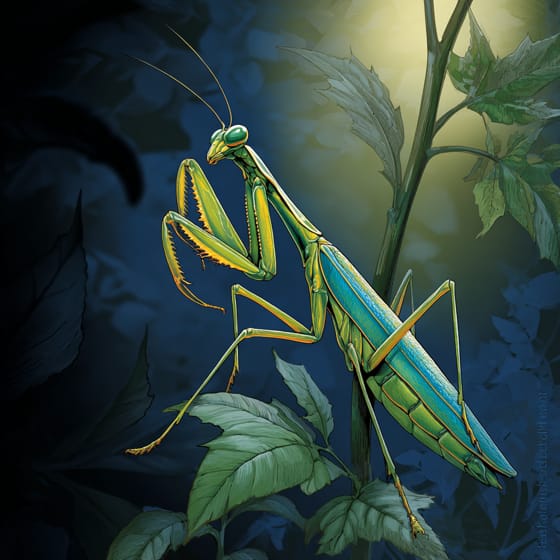
Mantis religiosa
a swift predator that captures and consumes them
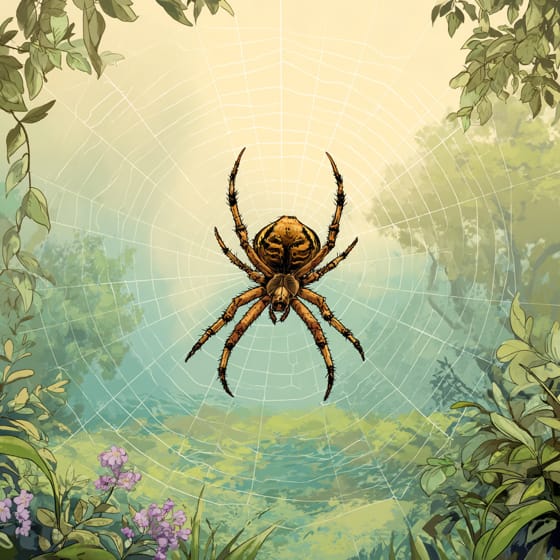
Argiope aurantia
caught in sticky webs by large orb-weaving spiders
Solitary animals live alone for most of their lives, only interacting with others for mating or parental care.
Camouflaged describes organisms that possess coloring or patterns that allow them to blend into their environment.
This trait characterizes organisms whose diet consists entirely or primarily of plant material.
Diurnal animals are primarily active during daylight hours, typically resting or sleeping at night.

This habitat trait indicates species that can coexist with humans in urban and suburban environments, utilizing man-made structures and green spaces.

Describes organisms that transfer pollen, enabling the fertilization and reproduction of plants.
No aliases listed yet.
Danger
1/5 · Very low
These bugs are not harmful, but it's best to watch them from a distance.
The easiest way to identify Eastern Leaf-footed Bug is to use the Snappit nature identifier app.
30-40 mm
15-20 mm
45-120 days
This bug uses its straw-like mouth to drink the tasty juices from many fruits and plants.
Urban areas
Foraging
6
Zoom in to split clusters and explore where this object has been snapped.

Tennessee, US
You might spot American Robin, Northern Cardinal, and Eastern Chipmunk.
View guide →

Georgia, US
You might spot American Beautyberry, Muscadine, and Virginia Creeper.
View guide →

South Carolina, US
You might spot Northern Cardinal, Chipping Sparrow, and House Finch.
View guide →

North Carolina, US
You might spot American Tuliptree and Eastern Tiger Swallowtail.
View guide →

Alabama, US
You might spot Duck, Canada Goose, and Pinkladies.
View guide →

Texas, US
You might spot Eastern Fox Squirrel and American Robin.
View guide →
Take the discovery with you
Snap it with Snappit to identify it, learn what makes it special, and add the discovery to your collection.







.jpg&width=800)




