





shagbark hickory
Carya ovata
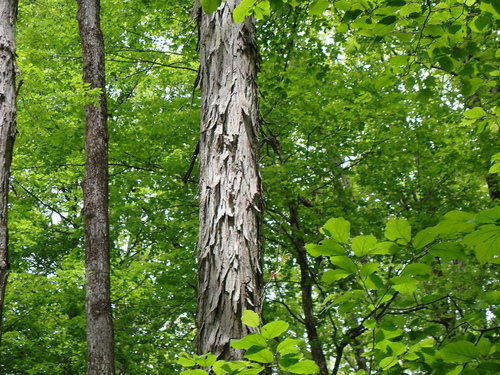
The shagbark hickory is a tall tree with unique, shaggy bark that peels away in long strips. It produces tasty nuts that many animals love to eat!
Habitat: Forests
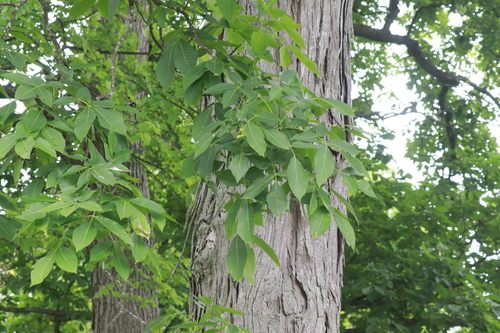
The shagbark hickory has distinctive long, shaggy strips of light gray bark peeling away from its trunk, making it look rugged and unique. It features large, compound leaves with usually five broad leaflets and produces rounded, light-brown nuts encased in a thick, green husk.
Category
PlantsRarity
Common
Danger
1/5 · Very low
Snaps
9
Early American pioneers sometimes used its shaggy bark to build temporary shelters or for kindling!
Its super tough wood is so flexible, it's used to make tool handles and even sports equipment!
The nuts have more protein and healthy fats than many other common tree nuts.
Wow! Some shagbark hickory trees have lived for over 300 years, silently watching history unfold!
Shagbark hickory has thick, peeling bark that insulates its trunk, protecting it from fire and extreme weather.
Shagbark hickory produces highly nutritious, energy-rich nuts that provide essential food for many forest animals.
Shagbark hickory develops a strong taproot, anchoring it firmly against powerful winds and droughts.
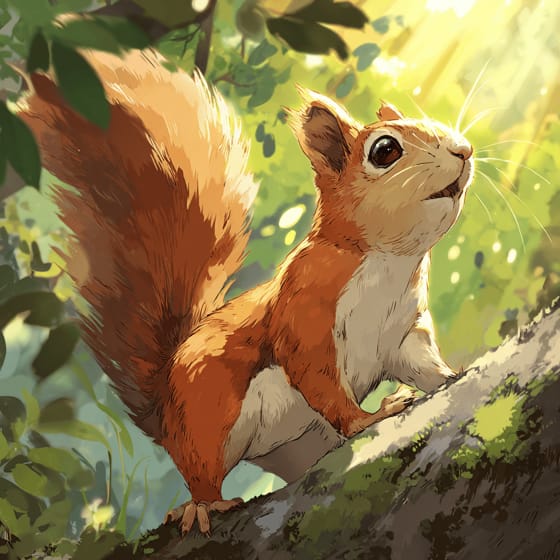
Sciurus carolinensis
Squirrels store and eat its energy-rich nuts.

Odocoileus virginianus
Deer browse on young hickory shoots and fallen nuts.
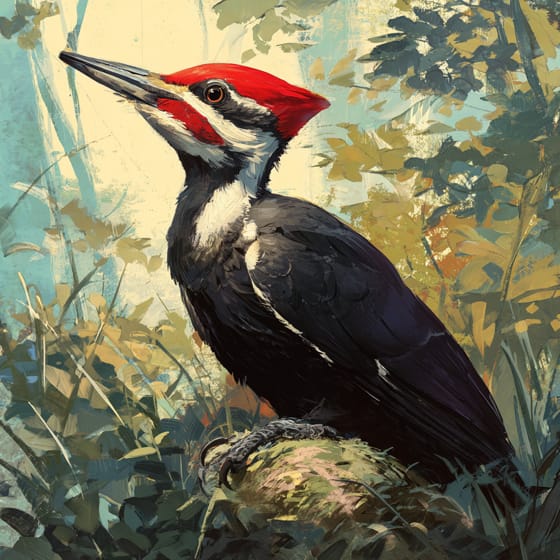
Dryocopus pileatus
Woodpeckers nest in cavities within its large trunks.
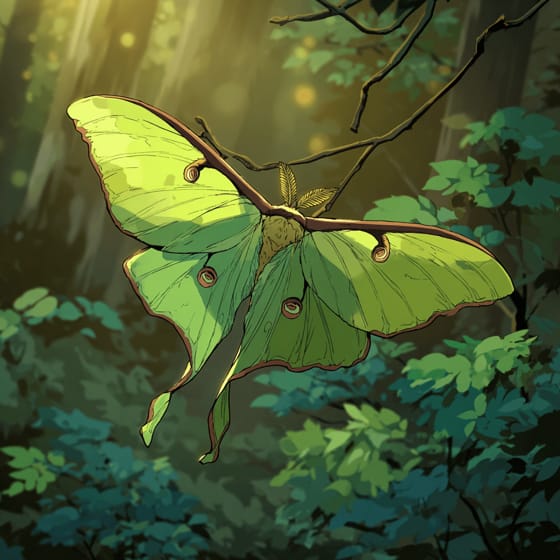
Actias luna
Luna moth caterpillars feed on its leaves before pupating.
Deciduous plants periodically shed all their leaves, typically during autumn or dry seasons.
Shade tolerant plants are adapted to grow and thrive in areas with low light levels, requiring less direct sunlight.
Broadleaf trees are angiosperms characterized by flat, wide leaves that are typically shed annually in temperate climates.
Nut bearing plants produce hard-shelled fruits, commonly known as nuts, which contain a single seed and are a valuable food source.

Edible plants are those parts of a plant that are considered safe for human consumption.
Timber refers to wood that has been prepared for use in building and carpentry.

Forest habitats are terrestrial environments dominated by dense tree cover, supporting a high diversity of plant and animal life.
No aliases listed yet.
Danger
1/5 · Very low
Be careful not to climb too high in trees, and watch out for falling nuts!
The easiest way to identify shagbark hickory is to use the Snappit nature identifier app.
2000-4000 cm
1000-2000 cm
0.5-1 cm
Spring
Yes
None
Perennial
Zoom in to split clusters and explore where this object has been snapped.
Jun 7, 2026
East Windsor Hill Historic DistrictPhoto attribution
(c) Mark Apgar, some rights reserved (CC BY)
License: CC BY 4.0 ↗
Image may be shown cropped inside the card frame.
May 22, 2026
Berkshire Botanical GardenPhoto attribution
no rights reserved
License: CC0 1.0 ↗
Image may be shown cropped inside the card frame.

Massachusetts, US
You might spot Common Eastern Bumble Bee and Eastern Skunk Cabbage.
View guide →

Ohio, US
You might spot Blue-Fronted Dancer, American Rubyspot, and Fowler's Toad.
View guide →

Connecticut, US
You might spot Eastern Gray Squirrel, Dark-Eyed Junco, and House Sparrow.
View guide →
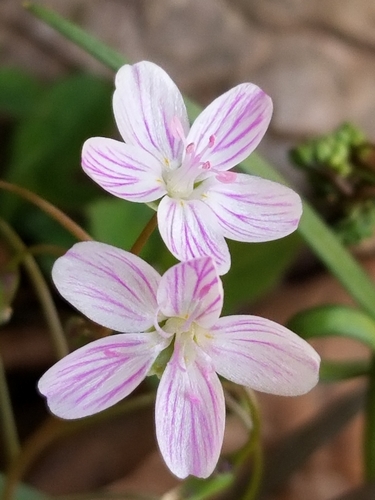
New Jersey, US
You might spot Virginia Springbeauty, Wineberry, and Multiflora Rose.
View guide →

Rhode Island, US
You might spot Eastern Red-Backed Salamander and American Toad.
View guide →

Ohio, US
You might spot Toadshade, Virginia Springbeauty, and Dutchman's Breeches.
View guide →
Take the discovery with you
Snap it with Snappit to identify it, learn what makes it special, and add the discovery to your collection.







.jpg&width=800)


_001.jpg&width=800)


