





Two-spotted Bumble Bee
Bombus bimaculatus
The Two-spotted Bumble Bee is a fuzzy little insect that loves to visit flowers. It helps plants grow by spreading pollen while it collects nectar for food.
Habitat: Grasslands
The Two-spotted Bumble Bee has a fuzzy, round body, primarily black with two distinct bright yellow bands across its thorax and abdomen. Its most notable feature is two yellow spots located on the front of its second abdominal segment, making it easy to identify.
Category
InsectsRarity
Common
Danger
2/5 · Low
Snaps
80
A single queen can lay hundreds of eggs in her lifetime!
Bumble bees have excellent color vision, helping them find the brightest flowers.
Their super-fast wing beats create the distinct 'buzz' sound they are famous for!
They use tiny hairs on their bodies to carry pollen like miniature baskets.
Two-spotted Bumble Bee can shiver its flight muscles (sonication) to shake pollen from flowers that helps them access hidden nutrients.
Two-spotted Bumble Bee can warm its body by vibrating muscles that helps them fly and forage even on cool days.
Two-spotted Bumble Bee has a 'honey stomach' (crop) that helps them carry nectar back to the nest for the colony.
Two-spotted Bumble Bees feast on nectar for energy and pollen for protein from flowers!

Trifolium pratense
Vital for clover reproduction, helping new plants grow.
Solidago canadensis
Spreads goldenrod seeds for widespread plant growth.
Physocephala tibialis
Fly larvae grow inside the bee, unfortunately harming it.

Bombus impatiens
They compete for the same flower resources in shared habitats.
Furry describes animals possessing a dense covering of soft hair or fur.
Marked with spots or patches of a different color.
Social animals live in organized groups, cooperating for survival benefits such as foraging, defense, and raising offspring.
Grassland habitats are terrestrial biomes dominated by grasses and herbaceous plants, supporting a variety of grazing animals.

This trait characterizes organisms whose diet consists entirely or primarily of plant material.

Describes plants that are particularly attractive and beneficial to a wide range of pollinating organisms.

Diurnal animals are primarily active during daylight hours, typically resting or sleeping at night.

Describes a species whose presence and role have a disproportionately large effect on its environment.

Describes organisms that transfer pollen, enabling the fertilization and reproduction of plants.
Danger
2/5 · Low
Stay calm and still if you see a bee. They usually won't bother you if you don't bother them.
The easiest way to identify Two-spotted Bumble Bee is to use the Snappit nature identifier app.
25-40 mm
9-20 mm
20-365 days
18 km/h
Two-spotted Bumble Bees feast on nectar for energy and pollen for protein from flowers!
Grasslands
Foraging
Zoom in to split clusters and explore where this object has been snapped.
Jun 15, 2026
Mitchell Park Horticultural ConservatoryPhoto attribution
no rights reserved
License: CC0 1.0 ↗
Image may be shown cropped inside the card frame.
Jun 5, 2026
J. Edward Roush LakePhoto attribution
no rights reserved
License: CC0 1.0 ↗
Image may be shown cropped inside the card frame.
May 18, 2026
Glastonbury Historic DistrictPhoto attribution
(c) florawhite, some rights reserved (CC BY)
License: CC BY 4.0 ↗
Image may be shown cropped inside the card frame.

Virginia, US
You might spot Cope's Gray Tree Frog and Basilica Orbweaver.
View guide →

Illinois, US
You might spot Common Eastern Bumble Bee and Brown-Belted Bumble Bee.
View guide →

Rhode Island, US
You might spot Common Eastern Bumble Bee and Osprey.
View guide →

Massachusetts, US
You might spot Maidenhair Spleenwort and Red Trillium.
View guide →

Rhode Island, US
You might spot Rugosa Rose and American Herring Gull.
View guide →
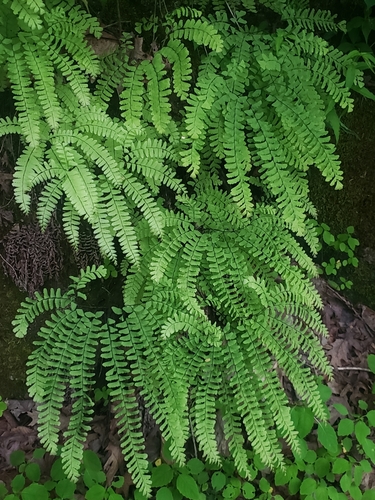
Iowa, US
You might spot Northern Maidenhair Fern and Wood Nettle.
View guide →
Take the discovery with you
Snap it with Snappit to identify it, learn what makes it special, and add the discovery to your collection.




.jpg&width=800)



