





Common Lovebug
Plecia nearctica
Common Lovebugs are small, black insects with a love for each other! They are often seen flying in pairs, and they are harmless to people.
Habitat: Urban areas
The Common Lovebug has a glossy black body and a striking reddish-orange thorax. Its long, smoky wings give it a somewhat fuzzy appearance. Males are notably smaller than females and often remain attached during their distinctive paired flight.
Category
InsectsRarity
Common
Danger
1/5 · Very low
Snaps
4
Lovebug larvae live hidden in moist soil, munching on decaying leaves and grass.
Sometimes, their massive swarms are so dense they can even block car radiators!
Their bright red thorax is actually a warning signal to potential predators.
They emerge like clockwork, twice a year, causing huge swarms in spring and fall.
Common Lovebug can remain connected for days during mating because their strong abdominal connection ensures successful reproduction.
Common Lovebug has synchronized hatches that create huge swarms, helping many individuals find mates quickly.
Common Lovebug larvae can break down decaying plant matter, helping enrich soil nutrients below ground.
Lovebug larvae eat decaying plants, while adults sip nectar from flowers for quick energy.
Age differences: Larvae are detritivores, consuming decaying plant material. Adults are nectivorous, drinking nectar for energy but not eating solid food.

Bufo terrestris
Toads consume many lovebugs during their large swarms.
Misumena vatia
Crab spiders ambush adult lovebugs visiting flowers for nectar.

Serenoa repens
Adult lovebugs visit saw palmetto flowers, aiding pollination.

Quercus virginiana
Lovebug larvae decompose decaying leaves from oak trees, enriching soil.
Social animals live in organized groups, cooperating for survival benefits such as foraging, defense, and raising offspring.
This trait characterizes organisms whose diet consists entirely or primarily of plant material.
Describes plants that are particularly attractive and beneficial to a wide range of pollinating organisms.
Diurnal animals are primarily active during daylight hours, typically resting or sleeping at night.

Pertaining to species that are significantly smaller than typical or average for their kind.

This habitat trait indicates species that can coexist with humans in urban and suburban environments, utilizing man-made structures and green spaces.

Describes organisms that transfer pollen, enabling the fertilization and reproduction of plants.
No aliases listed yet.
Danger
1/5 · Very low
Lovebugs are safe to watch but don't touch them too much.
The easiest way to identify Common Lovebug is to use the Snappit nature identifier app.
15-20 mm
6-9 mm
3-7 days
Lovebug larvae eat decaying plants, while adults sip nectar from flowers for quick energy.
Urban areas
Foraging
6
Zoom in to split clusters and explore where this object has been snapped.

Florida, US
You might spot Atala, Monarch, and Brown Anole.
View guide →

Louisiana, US
You might spot Heavenly Bamboo, Rio Grande Copper Lily, and Ballmoss.
View guide →

Alabama, US
You might spot Anole, Bee, and Bristle Thistle.
View guide →

Alabama, US
You might spot Anole, Bee, and Bristle Thistle.
View guide →
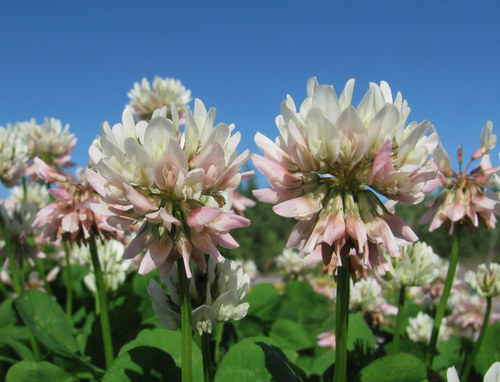
Louisiana, US
You might spot White Clover and Eastern Lubber Grasshopper.
View guide →

Louisiana, US
You might spot Heavenly Bamboo, Rio Grande Copper Lily, and Ballmoss.
View guide →
Take the discovery with you
Snap it with Snappit to identify it, learn what makes it special, and add the discovery to your collection.







.jpg&width=800)




