





Pickerel Frog
Lithobates palustris
The Pickerel Frog is a beautiful amphibian with yellow spots on its brown skin. It loves to live near water and can often be found hopping around in wetlands and ponds.
Habitat: Wetlands
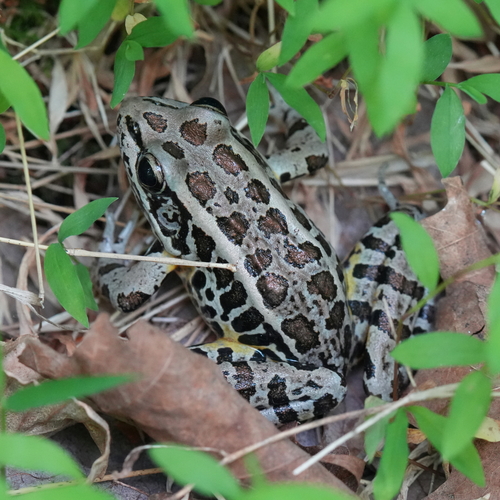
The Pickerel Frog is light brown or tan with distinctive, often rectangular, dark spots arranged in two rows down its back. Its smooth skin also features bright yellow-orange coloration on the inner thighs, making it visually distinct from other spotted frogs.
Category
AmphibiansRarity
Common
Danger
1/5 · Very low
Snaps
36
Pickerel Frogs hibernate underwater during winter, often buried in soft mud.
The name "pickerel" comes from their spots, which resemble a type of fish.
Their skin produces a mild, bad-tasting toxin that deters most predators.
They can stay completely submerged underwater for several minutes!
Pickerel Frog can blend into its habitat thanks to its brown color and rectangular spots, helping it hide from danger.
Pickerel Frog has powerful hind legs that allow it to make quick, long jumps for escaping predators or catching prey.
Pickerel Frogs are insectivores, snatching insects and other small critters with their sticky tongue.
Age differences: Tadpoles eat algae; adult frogs are insectivores, hunting small invertebrates.
Thamnophis sirtalis
A common snake predator of these frogs.

Procyon lotor
Opportunistic predator, especially near water.
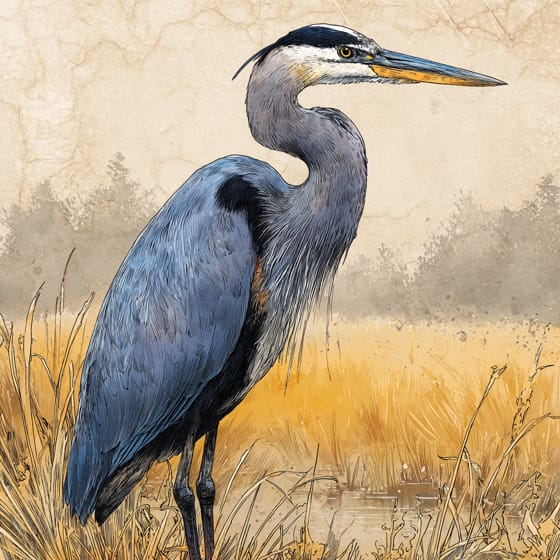
Ardea herodias
Wading bird that preys on frogs in water.
Marked with spots or patches of a different color.
Solitary animals live alone for most of their lives, only interacting with others for mating or parental care.
Colorful describes organisms or objects displaying a wide range of bright and distinct colors.
This trait identifies organisms whose diet primarily consists of insects and other small invertebrates.

Thermoregulating organisms maintain a stable internal body temperature despite fluctuations in the external environment.

This habitat trait identifies species found in wetlands, which are areas of land saturated with water, either permanently or seasonally, including marshes, swamps, and bogs.

Diurnal animals are primarily active during daylight hours, typically resting or sleeping at night.

Freshwater habitats include non-saline aquatic environments such as rivers, lakes, ponds, and wetlands, vital for numerous species.

Describes a species whose presence and role have a disproportionately large effect on its environment.

Nocturnal animals are primarily active during the nighttime hours, typically resting or sleeping during the day.
No aliases listed yet.
Danger
1/5 · Very low
Always watch frogs from a distance and don't try to catch them, as they can be slippery!
The easiest way to identify Pickerel Frog is to use the Snappit nature identifier app.
4.4-7.6 cm
0.005-0.02 kg
2-5 years
3 km/h
Pickerel Frogs are insectivores, snatching insects and other small critters with their sticky tongue.
Wetlands
Ambush
Zoom in to split clusters and explore where this object has been snapped.
Jun 6, 2026
Reeves-Reed ArboretumPhoto attribution
(c) foxsu, some rights reserved (CC BY)
License: CC BY 4.0 ↗
Image may be shown cropped inside the card frame.
.jpg)
Virginia, US
You might spot Great Blue Heron and Canada Goose.
View guide →

Maryland, US
You might spot American Cancer-Root and Rue Anemone.
View guide →

Maine, US
You might spot American Bullfrog and Three-Toothed Cinquefoil.
View guide →
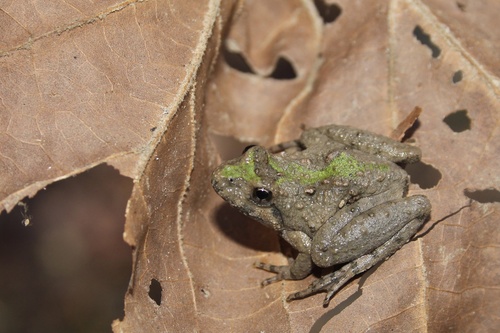
Maryland, US
You might spot Northern Cricket Frog and Common Whitetail.
View guide →

Tennessee, US
You might spot American Robin, Northern Cardinal, and Eastern Chipmunk.
View guide →

US
You might spot Pink Lady's Slipper and Canada Mayflower.
View guide →
Take the discovery with you
Snap it with Snappit to identify it, learn what makes it special, and add the discovery to your collection.








.JPG&width=800)



.jpg&width=800)
