





Pied Woodpeckers And Allies
melanerpini
Pied woodpeckers are known for their striking black and white feathers! They use their strong beaks to tap on trees and find tasty insects to eat.
Habitat: Pied woodpeckers live in forests, especially in areas with plenty of trees.
The Pied Woodpeckers And Allies typically have striking black and white plumage, often accented with bright red or yellow patches on their head or belly. They possess strong, chisel-like bills and stiff tail feathers that act as a prop against tree trunks, distinguishing them.
Category
BirdsRarity
Common
Danger
0/5 · No known danger
Snaps
Be the first to snap!
Some woodpeckers store hundreds of acorns in tree holes for winter snacks.
Their tongues are so long they sometimes wrap around their skull!
They use their stiff tail feathers like a third leg for balance on trees.
Woodpeckers can peck up to 20 times per second when drilling into wood!
Pied Woodpeckers And Allies have a specialized skull structure that protects their brain from the impact of powerful pecking.
Pied Woodpeckers And Allies have zygodactyl feet that help them cling firmly to tree trunks while climbing and drilling.
Pied Woodpeckers And Allies can extend a long, barbed tongue to extract hidden insects from deep within tree crevices.
Mostly insects found in wood, but they also enjoy fruits, nuts, and tree sap from plants.
Dendroctonus ponderosae
Helps control forest pest populations.
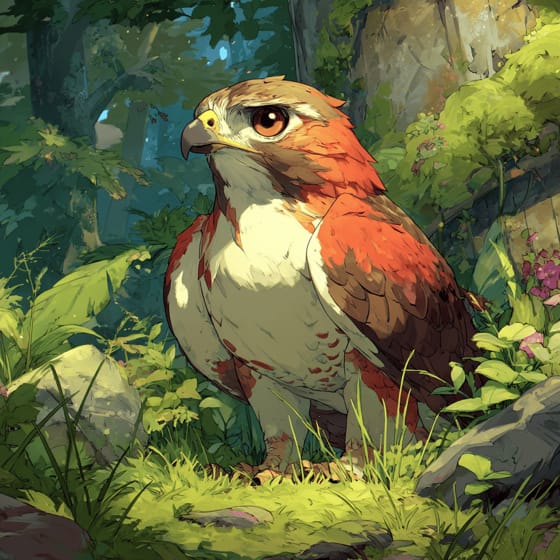
Buteo jamaicensis
A common aerial predator.

Sciurus carolinensis
May raid acorn caches or use tree cavities.
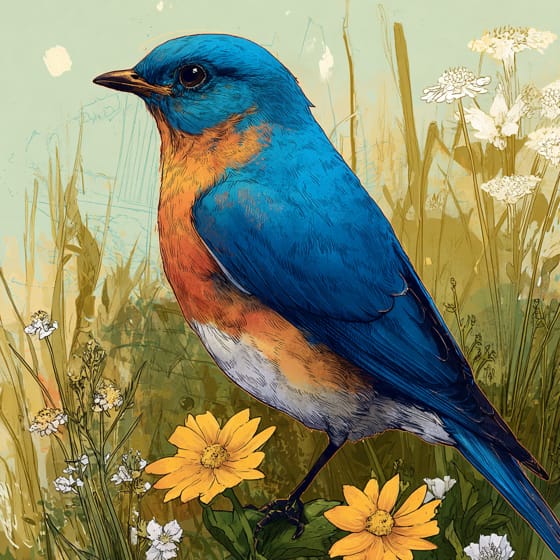
Sialia sialis
Uses old woodpecker cavities for nests.
Solitary animals live alone for most of their lives, only interacting with others for mating or parental care.
Arboreal animals live primarily in trees, utilizing them for shelter, food, and protection from predators.
Colorful describes organisms or objects displaying a wide range of bright and distinct colors.
This trait identifies organisms whose diet consists entirely or primarily of animal tissue.

Diurnal animals are primarily active during daylight hours, typically resting or sleeping at night.
Danger
0/5 · No known danger
No special safety notes yet.
The easiest way to identify Pied Woodpeckers And Allies is to use the Snappit nature identifier app.
18-30 cm
32-50 cm
0.05-0.15 kg
5-10 years
50 km/h
Mostly insects found in wood, but they also enjoy fruits, nuts, and tree sap from plants.
Pied woodpeckers live in forests, especially in areas with plenty of trees.
Zoom in to split clusters and explore where this object has been snapped.
Recent snaps will appear here as new observations are added.
Take the discovery with you
Snap it with Snappit to identify it, learn what makes it special, and add the discovery to your collection.




.jpg&width=800)








