





Pin-Tailed Pondhawk
erythemis plebeja
The Pin-Tailed Pondhawk is a vibrant dragonfly known for its beautiful blue and green colors. It loves to flutter around ponds and lakes, making it a fun sight for kids to watch!
Habitat: Freshwater ponds, lakes, and marshes
The Pin-Tailed Pondhawk is a small, dark dragonfly, often appearing black with a pruinose blue thorax in mature males. Its slender, tapering abdomen gives it a distinctive 'pin-tail' appearance, and females typically display yellow spots along their dark body.
Category
InsectsRarity
Common
Danger
0/5 · No known danger
Snaps
Be the first to snap!
Dragonflies have been flying for over 300 million years, even before the dinosaurs!
Pin-Tailed Pondhawk nymphs can live underwater for years before becoming flying adults!
Pin-Tailed Pondhawks eat mosquitoes, helping to keep those pesky biters in check!
They catch prey with their legs in a 'basket' while flying!
Pin-Tailed Pondhawk can fly in any direction, even backwards, because of its two pairs of independently moving wings.
Pin-Tailed Pondhawk nymphs breathe underwater using gills, allowing them to live and hunt submerged.
Pin-Tailed Pondhawk larvae have an extendable jaw, a labium, that helps them snatch unsuspecting prey.
They are aerial predators, catching small flying insects.
Age differences: Nymphs hunt aquatic insects and tadpoles; adults hunt flying insects.
Aedes aegypti
Adults prey on them in flight.
.jpg&width=800)
Tyrannus tyrannus
Birds snatch them from the air or perches.
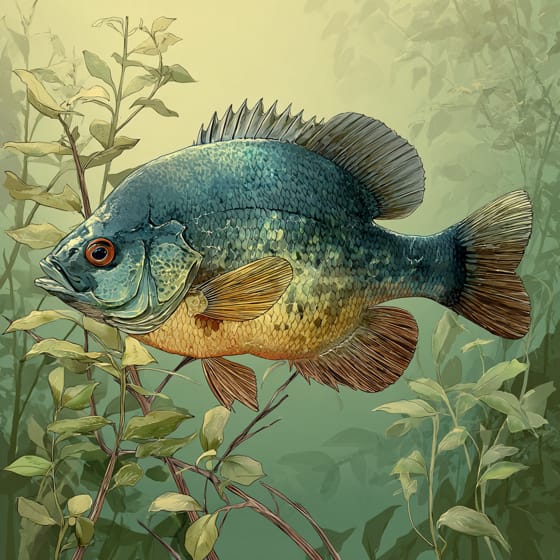
Lepomis macrochirus
Fish prey on pondhawk nymphs underwater.
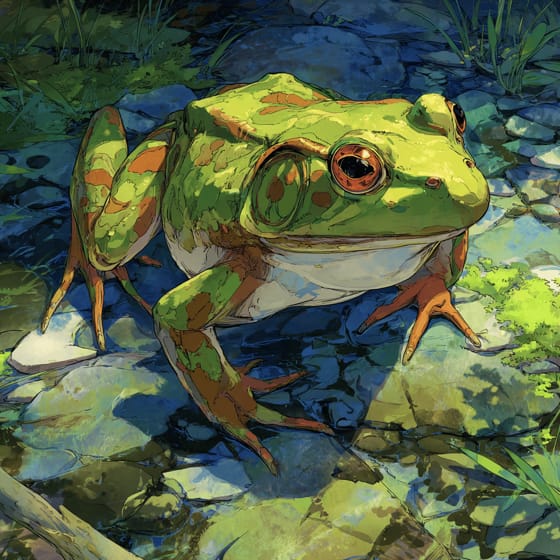
Lithobates catesbeianus
Nymphs ambush tadpoles in the water.
Social animals live in organized groups, cooperating for survival benefits such as foraging, defense, and raising offspring.
Colorful describes organisms or objects displaying a wide range of bright and distinct colors.
This trait identifies organisms whose diet consists entirely or primarily of animal tissue.
Diurnal animals are primarily active during daylight hours, typically resting or sleeping at night.

Aquatic habitats encompass environments where organisms live predominantly in water, including oceans, rivers, lakes, and wetlands.
Danger
0/5 · No known danger
No special safety notes yet.
The easiest way to identify Pin-Tailed Pondhawk is to use the Snappit nature identifier app.
50-75 mm
35-45 mm
30-60 days
25 km/h
They are aerial predators, catching small flying insects.
Freshwater ponds, lakes, and marshes
Pursuit
Zoom in to split clusters and explore where this object has been snapped.
Recent snaps will appear here as new observations are added.
Take the discovery with you
Snap it with Snappit to identify it, learn what makes it special, and add the discovery to your collection.








.jpg&width=800)



