

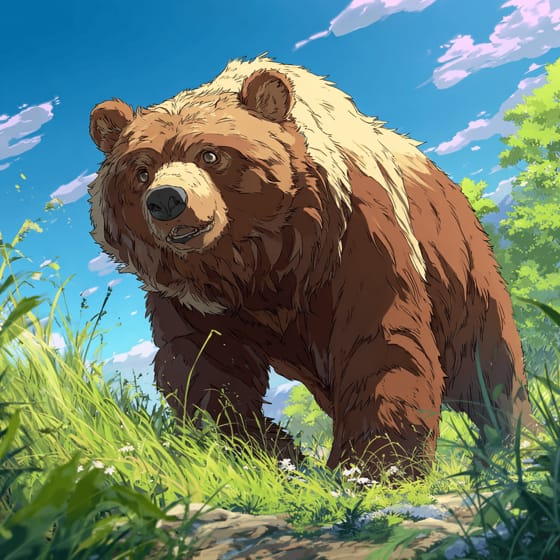
Brown Bear
The Alaska Wildlife Conservation Center offers an unparalleled Alaskan wildlife experience.
The Alaska Wildlife Conservation Center offers an unparalleled Alaskan wildlife experience.
Nestled in the breathtaking Portage Valley, surrounded by the majestic Chugach Mountains and the Turnagain Arm Inlet, this non-profit sanctuary is dedicated to preserving Alaska's wildlife through conservation, education, research, and quality animal care. Visitors can immerse themselves in the natural beauty of Alaska while observing resident animals, most of whom are orphaned or injured and cannot survive in the wild, thriving in spacious, natural habitats. It's a truly unique opportunity to witness iconic Alaskan species up close and personal in a setting that feels wild and expansive, rather than confined.
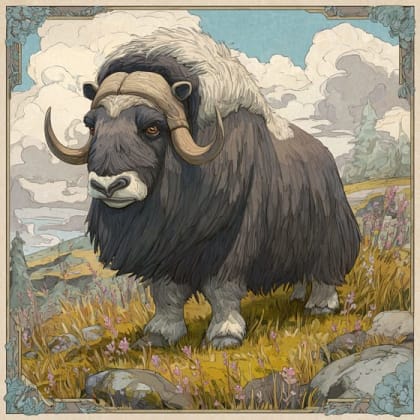
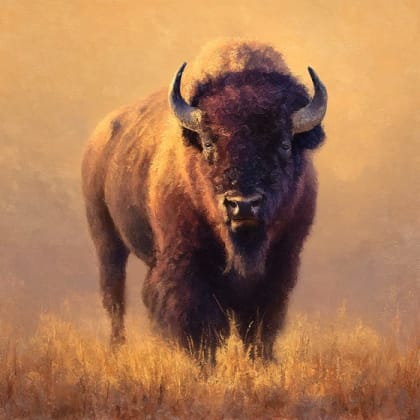
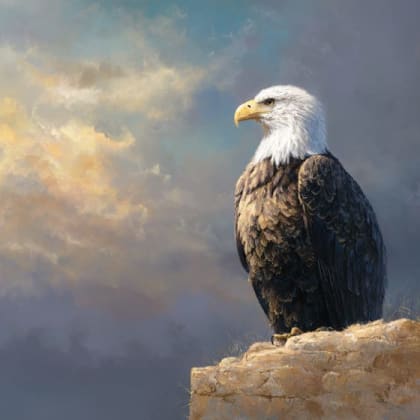
The center spans over 200 acres, offering a 1.5-mile scenic loop that can be explored by foot, bike, or car, allowing for flexible viewing of numerous species. Key inhabitants include magnificent Brown Bears often seen swimming, graceful Moose strutting through their enclosures, impressive Wood Bison roaming as part of a successful reintroduction project, and the shaggy, prehistoric-looking Muskox playing. Visitors can also spot Black Bears, sleek Wolves, elusive Lynx, Porcupines, Bald Eagles, Coyotes, Foxes, Elk, Reindeer, and Sitka Black-tailed Deer, each within environments designed to mimic their natural homes.
Visiting the Alaska Wildlife Conservation Center is more than just animal viewing; it's an educational journey that highlights critical conservation efforts. The natural setting, combined with interpretive signs and knowledgeable naturalists, provides deep insights into the lives and behaviors of Alaska's iconic wildlife. Special opportunities like the Moose Encounter, Bear Encounter, and Walk on the Wild Side tours offer exceptionally close interactions, making for truly memorable and impactful experiences that foster appreciation and advocacy for these incredible animals. Planning to visit? Download the Snappit app to identify the wildlife you spot in real-time.
The Alaska Wildlife Conservation Center (AWCC) opened its doors in 1993, initially operating as the for-profit "Big Game Alaska." The vision for the center was to provide care for orphaned and injured animals, and by 1999, it transitioned into a 501(c)3 non-profit organization. The name was officially changed to the Alaska Wildlife Conservation Center in 2007, solidifying its commitment to wildlife preservation, education, research, and quality animal care. Since its founding, AWCC has grown significantly, becoming a leading sanctuary and an important partner in various conservation initiatives. Notably, since 2003, the center has been instrumental in a program to reintroduce native Wood Bison back into Alaska, a species that had been absent from the state for over a century. Through successful breeding and collaborative efforts with the Alaska Department of Fish & Game, 130 Wood Bison were released into the wild in western Alaska in 2015.
Observe Brown Bears swimming, Moose strutting, Wood Bison roaming, Muskox playing, and Wolves posing. Look for Bald Eagles and other raptors. Attend daily animal education programs and talk to naturalists for deeper insights into the animals and conservation efforts.
Summer: Animals are more active, bears are awake, and there are often special programs. However, be prepared for potential mosquitoes (bring bug spray) and dress for unpredictable Alaskan weather, including rain.
Winter: Dress very warmly with outdoor jackets, pants, sturdy footwear, hats, and gloves, as you'll be outdoors for your visit. Ice grippers for boots are also recommended.
The 1.5-mile loop is accessible by foot, bike, or car, and is generally flat and stroller-friendly. The gravel and dirt roads, all buildings, restrooms, and enhanced viewing platforms meet ADA guidelines. Approximately 80% of the resident wildlife can be viewed from a vehicle, with various parking lots along the loop for stops.
The 1.5-mile scenic loop, accessible by foot, bike, or car, is the primary way to explore the diverse habitats. Don't miss the opportunities for special paid encounters like the Moose Encounter, Bear Encounter, and the "Walk on the Wild Side" guided tour, which offer up-close interactions and even animal feeding.
Each card links to a full Explore page with photos, traits, and fun facts.
Start with the big picture, then zoom in to explore individual wildlife observations around this place.
Dress in Layers
Alaskan weather can change rapidly. Bring a jacket or windbreaker, even in summer, as the center is located on the edge of a rainforest and can be chilly.
Bring Binoculars and a Good Camera
For the best viewing and photography opportunities, binoculars are highly recommended, and a camera with a zoom lens will help capture stunning wildlife shots.
Engage with Naturalists
The naturalists at the center are a valuable resource. Don't hesitate to talk to them; they can provide fascinating insights and tips for an optimal experience.
Book Special Encounters in Advance
Popular "Moose Encounters," "Bear Encounters," and "Walk on the Wild Side" tours offer unique interactive experiences and often sell out, so book early if you're interested.
Allow Ample Time
While a quick tour can be done, plan to spend a few hours. Lingering allows for better animal viewing as they move around their large habitats, and provides more time to absorb the educational information.
Leave Pets in Vehicles & No Outside Food for Animals: For the safety and well-being of the resident animals, pets must remain in your vehicle at all times. Also, do not bring outside food to feed the animals, as their diets are carefully managed.
May 21, 2026
Photo attribution
no rights reserved
License: CC0 1.0 ↗
Image may be shown cropped inside the card frame.
Sep 1, 2025
Photo attribution
(c) Jana Winberg, some rights reserved (CC BY)
License: CC BY 4.0 ↗
Image may be shown cropped inside the card frame.
Jun 1, 2026
May 9, 2026
Apr 30, 2026

Michigan, US
You might spot African Lion, Komodo Dragon, and Brown Bear.
View guide →
.jpg)
Municipal District of Cobh, IE
You might spot Ring-Tailed Lemur, Giraffes, and Cheetahs.
View guide →

Nouvelle-Aquitaine, FR
You might spot Greater Flamingo, Giraffes, and Red Panda.
View guide →

Texas, US
You might spot Giraffes, African Lion, and Eastern Black Rhinoceros.
View guide →
Take the discovery with you
Identify the wildlife you spot, learn as you go, and keep a collection of the adventure.