





Long-tailed Duck
Clangula hyemalis
The Long-tailed Duck is a beautiful bird known for its long, flowing tail and colorful feathers. These ducks love to swim in cold waters and dive deep to find tasty food like fish and shellfish.
Habitat: Coastal areas
The Long-tailed Duck has a unique appearance with its striking white, black, and brown plumage, which changes throughout the year. Males boast an exceptionally long, pointed tail streamer, distinguishing them from other ducks. Their white flanks, dark back, and contrasting cheek patches are also very distinctive.
Category
BirdsRarity
Common
Danger
1/5 · Very low
Snaps
9
Long-tailed Ducks change their feather colors three times a year, more than most birds!
Male Long-tailed Ducks have tail feathers that can grow almost as long as their body!
Their loud, yodeling call can be heard for over a mile across the water!
They spend more time diving underwater than they do resting on the surface!
Long-tailed Duck can dive deeper than most ducks because of their dense bones and strong muscles, that helps them hunt for food far underwater.
Long-tailed Duck can survive freezing waters because of their thick layers of down feathers and fat, that helps them stay warm in icy environments.
Long-tailed Duck can 'fly' underwater because of their powerful wings, that helps them chase agile prey with incredible speed and agility.
These expert divers mostly eat small marine animals found deep underwater.
Age differences: Young ducklings eat mostly insects; adults switch to marine invertebrates and fish.
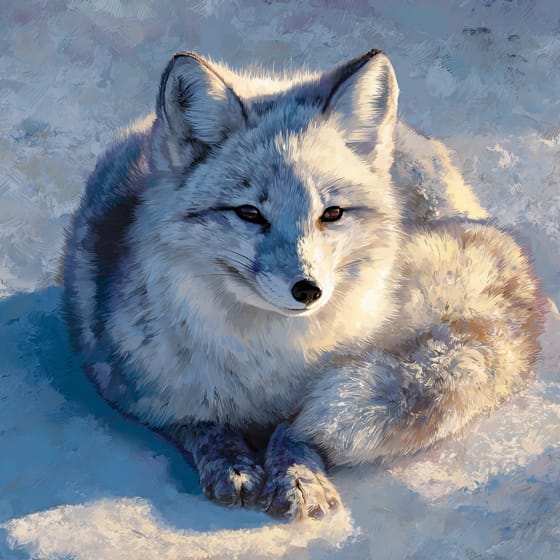
Vulpes lagopus
preys on eggs and ducklings
_with_offspring%2C_Liefdefjord%2C_Svalbard.jpg&width=800)
Larus hyperboreus
opportunistically eats eggs and young
Mytilus edulis
a primary seabed food source
Gasterosteus aculeatus
small fish preyed upon underwater
Feathered describes animals, primarily birds, possessing a covering of feathers.
Social animals live in organized groups, cooperating for survival benefits such as foraging, defense, and raising offspring.
Aerial creatures spend a significant portion of their lives airborne, utilizing flight for various activities such as hunting, migration, or nesting.
Colorful describes organisms or objects displaying a wide range of bright and distinct colors.

Piscivorous organisms are animals that primarily subsist on a diet of fish.

Coastal habitats are dynamic environments located along the interface between land and sea, influenced by tides, waves, and saltwater.

Diurnal animals are primarily active during daylight hours, typically resting or sleeping at night.

Aquatic habitats encompass environments where organisms live predominantly in water, including oceans, rivers, lakes, and wetlands.

Marine habitats encompass all saltwater environments of the Earth's oceans, supporting an immense diversity of aquatic life.

Migratory animals undertake seasonal movements from one region to another, typically in response to changes in climate or food availability.
Danger
1/5 · Very low
Always watch birds from a distance and do not try to touch or chase them.
The easiest way to identify Long-tailed Duck is to use the Snappit nature identifier app.
40-60 cm
70-80 cm
0.5-1 kg
10-20 years
70 km/h
These expert divers mostly eat small marine animals found deep underwater.
Coastal areas
Zoom in to split clusters and explore where this object has been snapped.

Michigan, US
You might spot Yellow Lady's Slipper and Ring-Billed Gull.
View guide →

Louisiana, US
You might spot Pectoral Sandpiper, Sprague's Pipit, and Anole.
View guide →

Michigan, US
You might spot Yellow Lady's Slipper and Northern Whitecedar.
View guide →

New Hampshire, US
You might spot Common Eider and American Herring Gull.
View guide →

Indiana, US
You might spot Shield Lichens, Sunburst Lichens, Rosette Lichens, and Allies.
View guide →

Massachusetts, US
You might spot White-Tailed Deer, Skunk, and Eastern Cottontail.
View guide →
Take the discovery with you
Snap it with Snappit to identify it, learn what makes it special, and add the discovery to your collection.




.jpg&width=800)







