





Pitymys
Pitymys
Pitymys are small, furry animals that love to scurry around in the grass. They are often found in fields and are known for their cute little faces and twitchy noses.
Habitat: Grasslands
The Pitymys is a small rodent with a compact, cylindrical body and a very short tail, often appearing almost tailless. Its fur is typically soft, dense, and a uniform greyish-brown, which helps it blend into its subterranean environment. It has tiny eyes and ears hidden within its fur.
Category
MammalsRarity
Common
Danger
1/5 · Very low
Snaps
Be the first to snap!
Instead of climbing trees, Pitymys prefer to travel secretly through a network of tunnels!
Pitymys teeth never stop growing, so they chew constantly to keep them sharp!
Some Pitymys can dig an underground home with tunnels stretching for meters!
They build cozy nests from plants deep underground to keep their babies safe and warm.
Pitymys can dig extensive burrow systems because of its strong claws that help them navigate and live underground.
Pitymys has highly sensitive whiskers that help them 'see' and find their way in the dark tunnels where light doesn't reach.
Pitymys can store food like seeds and roots in special chambers because of its foraging habits that help them survive lean times.
Pitymys has a very fast reproduction rate because of short gestation and large litters that helps them maintain their populations.
Pitymys primarily eats roots, seeds, and plants found by foraging underground and on the surface.

Strix aluco
A common nocturnal predator of Pitymys.
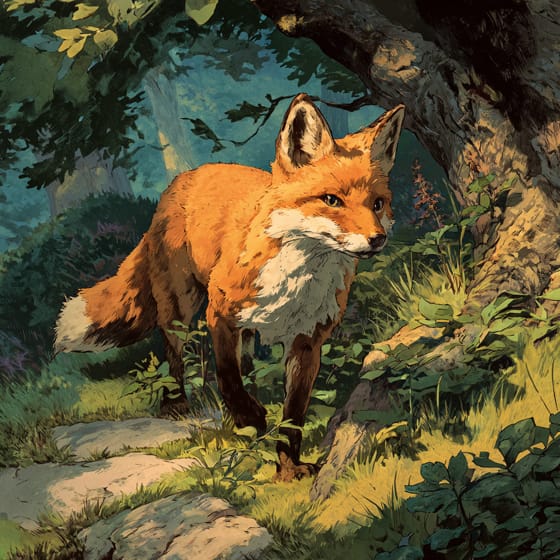
Vulpes vulpes
Hunts small rodents, including Pitymys, across its range.
Mustela nivalis
Small enough to follow Pitymys into their burrows.
Triticum aestivum
Pitymys consumes seeds and roots in agricultural areas.
Furry describes animals possessing a dense covering of soft hair or fur.
Social animals live in organized groups, cooperating for survival benefits such as foraging, defense, and raising offspring.
Burrowing animals dig tunnels and chambers in the ground, using these subterranean structures for shelter, hunting, or breeding.
Grassland habitats are terrestrial biomes dominated by grasses and herbaceous plants, supporting a variety of grazing animals.

This trait characterizes organisms whose diet consists entirely or primarily of plant material.

Nocturnal animals are primarily active during the nighttime hours, typically resting or sleeping during the day.
No aliases listed yet.
Danger
1/5 · Very low
If you see a Pitymys, watch quietly and don’t try to touch them. They are shy and like to stay safe.
The easiest way to identify Pitymys is to use the Snappit nature identifier app.
8-13 cm
0.018-0.05 kg
1-2 years
12 km/h
Pitymys primarily eats roots, seeds, and plants found by foraging underground and on the surface.
Grasslands
Foraging
Zoom in to split clusters and explore where this object has been snapped.
Recent snaps will appear here as new observations are added.
Take the discovery with you
Snap it with Snappit to identify it, learn what makes it special, and add the discovery to your collection.





.jpg&width=800)



.JPG&width=800)
.jpg&width=800)
