.jpg&width=800)





Plains Spadefoot
Spea bombifrons
The Plains Spadefoot is a small, round frog that loves to dig in the dirt! They have special spade-like toes that help them burrow underground to stay safe and cool.
Habitat: Grasslands
The Plains Spadefoot is a stout amphibian with smooth, moist skin, typically grey, brown, or olive, often marked with darker spots or stripes. It has large, prominent eyes with distinctive vertical pupils. A hard, dark, spade-like structure on each hind foot is its most unique visual feature.
Category
AmphibiansRarity
Common
Danger
1/5 · Very low
Snaps
Be the first to snap!
As tadpoles, they can sometimes eat each other if food is scarce, growing stronger faster!
Plains Spadefoots make a loud, duck-like 'quacking' sound to find mates after a big rain!
Their eyes have spooky vertical pupils, just like a cat's, which helps them see in the dark!
They can stay buried underground for *years* if rainfall is too low, waiting for the perfect storm!
Plains Spadefoot can rapidly dig backwards into soil using hard 'spades' on its hind feet that helps them escape predators and find shelter from heat and drought.
Plains Spadefoot tadpoles can grow incredibly fast, completing metamorphosis in as little as 18 days, because of hormonal regulation that helps them avoid drying out in temporary ponds.
Plains Spadefoot can absorb and store a large amount of water in its bladder and tissues that helps them survive long periods underground during droughts by conserving moisture.
Plains Spadefoot can secrete a mild, onion-scented substance from its skin that helps deter some predators, making them less tasty to eat.
These hungry amphibians mostly munch on insects and spiders, helping to control pesky garden bugs!
Age differences: Tadpoles eat algae and detritus; adults eat insects and spiders.
Thamnophis sirtalis
A common predator in its range.
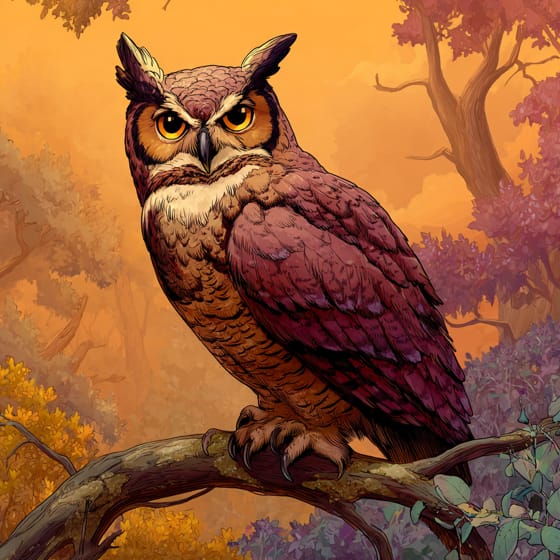
Bubo virginianus
Hunts amphibians during its nocturnal activity.

Gryllus pennsylvanicus
A common insect prey species.
Formica fusca
Eats various ground-dwelling invertebrates.
Solitary animals live alone for most of their lives, only interacting with others for mating or parental care.
Burrowing animals dig tunnels and chambers in the ground, using these subterranean structures for shelter, hunting, or breeding.
Grassland habitats are terrestrial biomes dominated by grasses and herbaceous plants, supporting a variety of grazing animals.
This trait identifies organisms whose diet primarily consists of insects and other small invertebrates.

This trait identifies organisms whose diet consists entirely or primarily of animal tissue.

Pertaining to species that are significantly smaller than typical or average for their kind.

Threatened status denotes a species likely to become endangered in the foreseeable future without effective conservation interventions.

Nocturnal animals are primarily active during the nighttime hours, typically resting or sleeping during the day.
No aliases listed yet.
Danger
1/5 · Very low
Always watch where you step in nature, and don't touch frogs unless an adult says it's okay.
The easiest way to identify Plains Spadefoot is to use the Snappit nature identifier app.
3.8-6.3 cm
0.01-0.03 kg
6-12 years
0.8 km/h
These hungry amphibians mostly munch on insects and spiders, helping to control pesky garden bugs!
Grasslands
Ambush
Zoom in to split clusters and explore where this object has been snapped.
Recent snaps will appear here as new observations are added.
Take the discovery with you
Snap it with Snappit to identify it, learn what makes it special, and add the discovery to your collection.









.JPG&width=800)



.jpg&width=800)

