




Platyhypnidium Moss
Rhynchostegium riparioides
Platyhypnidium Moss is a soft, green plant that grows in damp places like streams and forests. It helps keep the soil moist and provides a cozy home for tiny creatures.
Habitat: Wetlands
The Platyhypnidium Moss is a vibrant dark green to brownish moss that forms dense, feathery mats, often submerged or partially submerged. Its branching stems and distinctively-shaped leaves help it appear lush and carpet-like, particularly when growing on rocks in flowing water.
Category
PlantsRarity
Common
Danger
1/5 · Very low
Snaps
Be the first to snap!
Instead of flowers or seeds, it spreads using microscopic, dust-like spores!
It doesn't have any true roots, but still holds onto rocks super tight!
Some tiny river creatures build their homes safely hidden within its mossy clumps!
This moss is like a tiny green carpet for rocks right inside rivers!
Platyhypnidium Moss can use special, root-like structures called rhizoids to strongly grip rocks, helping it stay put even in rushing water.
Platyhypnidium Moss can live completely submerged, absorbing nutrients and carbon dioxide directly from the water around it.
Platyhypnidium Moss has dense mats that filter small particles and absorb some pollutants, helping to clean the water it grows in.
Gammarus pulex
Tiny shrimp hide within moss mats.
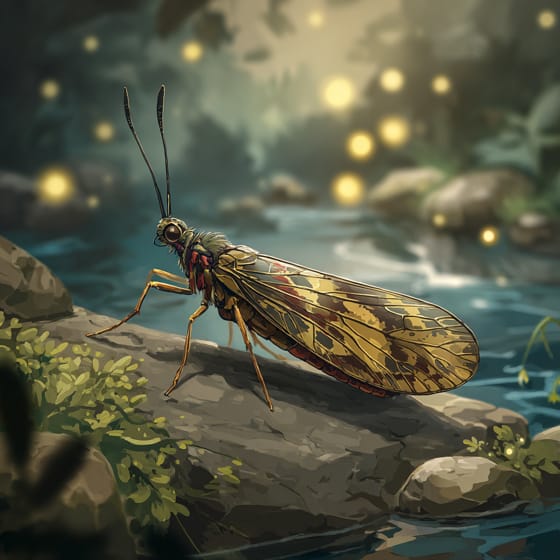
Limnephilus lunatus
Larvae build cases among moss stems.
Radix balthica
Grazes on algae and detritus on moss.
Describes organisms capable of converting atmospheric nitrogen into compounds usable by plants.
This trait characterizes plants lacking specialized vascular tissues (xylem and phloem) for transporting water and nutrients.
Shade tolerant plants are adapted to grow and thrive in areas with low light levels, requiring less direct sunlight.
Rapid growing plants exhibit accelerated growth rates, quickly increasing in size and biomass within a short period.

Describes organisms that break down dead organic material, recycling nutrients back into the ecosystem.

Forest habitats are terrestrial environments dominated by dense tree cover, supporting a high diversity of plant and animal life.

This habitat trait identifies species found in wetlands, which are areas of land saturated with water, either permanently or seasonally, including marshes, swamps, and bogs.
No aliases listed yet.
Danger
1/5 · Very low
Moss is safe to touch, but always wash your hands after exploring!
The easiest way to identify Platyhypnidium Moss is to use the Snappit nature identifier app.
1-5 cm
10-100 cm
No
None
Perennial
Wind
Wetlands
Zoom in to split clusters and explore where this object has been snapped.
Recent snaps will appear here as new observations are added.
Take the discovery with you
Snap it with Snappit to identify it, learn what makes it special, and add the discovery to your collection.








.jpg&width=800)



_001.jpg&width=800)



