





Plume Thistles
Cirsium
Plume thistles are tall plants with fluffy, purple flowers that look like little puffs of cotton! They grow in sunny places and are loved by butterflies and bees.
Habitat: Grasslands
The Plume Thistles has stout, often spiny stems with deeply lobed, prickly leaves that are usually green to silvery-green. Its distinctive flower heads are typically purple, pink, or sometimes white, appearing as fluffy, rounded clusters at the stem tops, encircled by thorny bracts.
Category
PlantsRarity
Common
Danger
2/5 · Low
Snaps
Be the first to snap!
Bumblebees and butterflies adore thistle flowers, buzzing around for their sweet nectar!
Even with their sharp spines, goldfinches love to eat thistle seeds from the flower heads.
The fluffy seeds can travel for miles on the wind, like tiny parachutes seeking new homes.
You can actually eat young thistle stems and roots, but be careful of the prickles!
Plume Thistles has sharp spines on its leaves and stems that help it defend against hungry herbivores.
Plume Thistles can spread its seeds far and wide, thanks to a fluffy pappus that helps them float on the wind.
Plume Thistles has a long taproot that helps it reach deep underground water sources, surviving dry conditions.
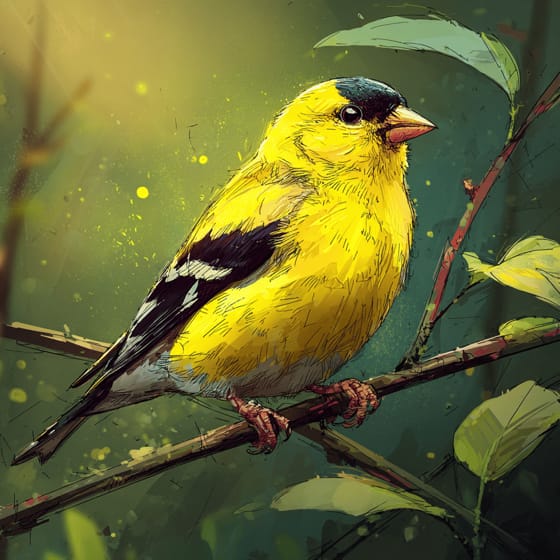
Carduelis tristis
Feeds on ripe thistle seeds
Apis mellifera
Collects nectar and pollen
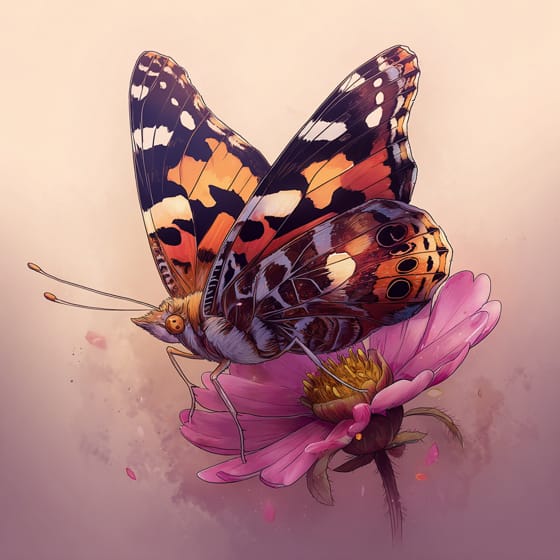
Vanessa cardui
Larvae feed on thistle leaves
Bombus impatiens
Visits flowers for nectar
Flowering plants are any plants that produce flowers as part of their reproductive cycle.
Biennial plants complete their life cycle over two growing seasons, typically forming foliage in the first year and flowering/seeding in the second.
Summer blooming plants produce their flowers during the summer season, often providing vibrant color when many other plants have finished.
Colorful describes organisms or objects displaying a wide range of bright and distinct colors.

Grassland habitats are terrestrial biomes dominated by grasses and herbaceous plants, supporting a variety of grazing animals.

Describes plants that are particularly attractive and beneficial to a wide range of pollinating organisms.

Rapid growing plants exhibit accelerated growth rates, quickly increasing in size and biomass within a short period.

Describes a species whose presence and role have a disproportionately large effect on its environment.
No aliases listed yet.
Danger
2/5 · Low
Be careful around thistles, as their leaves can be prickly!
The easiest way to identify Plume Thistles is to use the Snappit nature identifier app.
50-250 cm
30-100 cm
2-6 cm
Summer
Yes
Mild
Biennial
Zoom in to split clusters and explore where this object has been snapped.
Recent snaps will appear here as new observations are added.
Take the discovery with you
Snap it with Snappit to identify it, learn what makes it special, and add the discovery to your collection.








.jpg&width=800)



_001.jpg&width=800)




