





Poison Sumac
toxicodendron vernix
Poison Sumac is a plant that grows in wet areas and has beautiful, colorful leaves. But be careful! Touching it can cause a rash.
Habitat: Wet areas, swamps, and along riverbanks.
The Poison Sumac is a shrub or small tree, often with smooth, glossy green leaves that grow in pinnately compound clusters of 7 to 13 leaflets. Its stems can be reddish, and in fall, the leaves turn vibrant red, orange, or yellow. Distinctive drooping clusters of waxy, white or grayish-white berries persist through winter.
Category
PlantsRarity
Common
Danger
4/5 · High
Snaps
2
Its irritating oil can remain potent on objects for years, even after the plant is gone!
Only touching a broken part of the plant can trigger a severe rash!
Some people are completely immune to its rash, but this is extremely rare!
Unlike harmless sumacs, its berries hang downwards, not upright like a torch!
Poison Sumac produces urushiol oil that causes an itchy rash, helping it deter hungry herbivores.
Poison Sumac can thrive in soggy swamps or drier areas, helping it survive diverse conditions.
Poison Sumac has white berries that are attractive to birds, helping it spread its seeds far and wide.
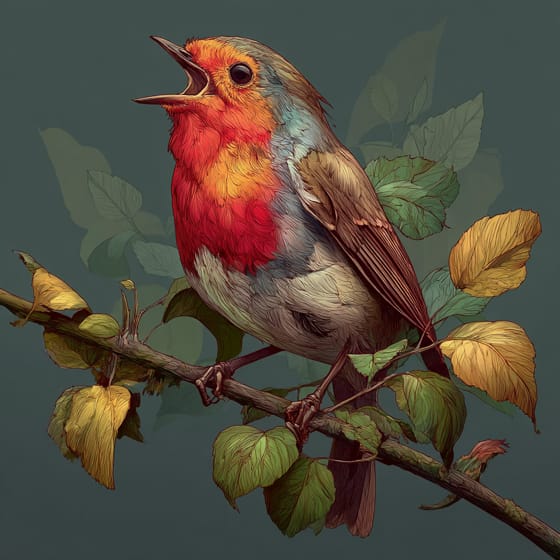
Turdus migratorius
Birds eat the berries, dispersing seeds widely.
Apis mellifera
Bees visit its small flowers for nectar and pollen.
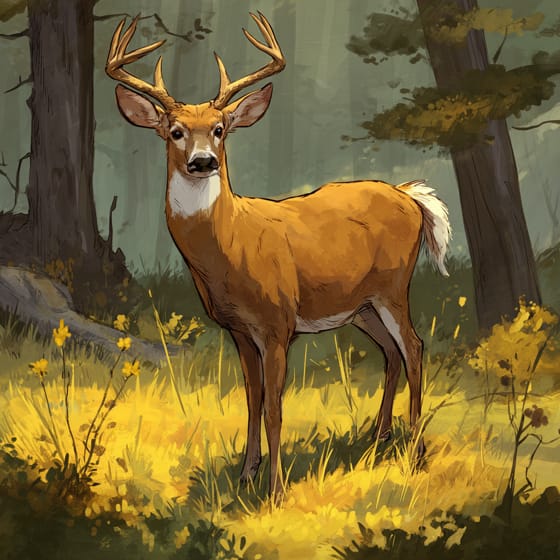
Odocoileus virginianus
Deer browse the foliage and twigs, often without harm.
Solitary animals live alone for most of their lives, only interacting with others for mating or parental care.
Colorful describes organisms or objects displaying a wide range of bright and distinct colors.
This trait characterizes organisms whose diet consists entirely or primarily of plant material.
Forest habitats are terrestrial environments dominated by dense tree cover, supporting a high diversity of plant and animal life.

Endangered status indicates a species is at a very high risk of extinction in the wild in the near future.
Danger
4/5 · High
Do not touch this plant, as it can cause skin irritation.
The easiest way to identify Poison Sumac is to use the Snappit nature identifier app.
100-600 cm
100-300 cm
0.2-0.5 cm
Late spring to early summer
No
High
Perennial
Zoom in to split clusters and explore where this object has been snapped.

New Jersey, US
You might spot Mountain Laurel, Eastern Skunk Cabbage, and Poison Sumac.
View guide →
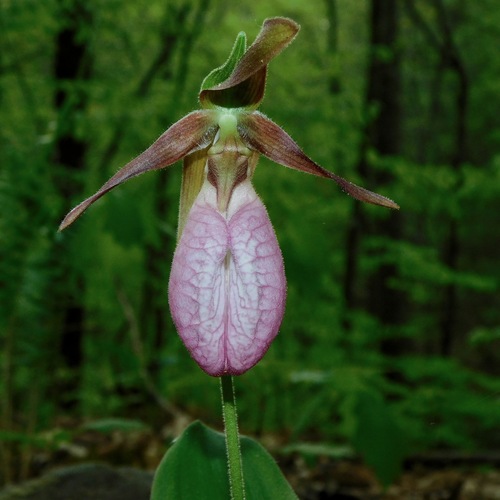
Massachusetts, US
You might spot Pink Lady's Slipper and Great Rhododendron.
View guide →

Ohio, US
You might spot Dot-Tailed Whiteface and Common Whitetail.
View guide →

Wisconsin, US
You might spot Partridgeberry, Bluebead Lily, and Cinnamon Fern.
View guide →
Take the discovery with you
Snap it with Snappit to identify it, learn what makes it special, and add the discovery to your collection.








.jpg&width=800)



_001.jpg&width=800)




