





honey-vine climbing milkweed
Cynanchum laeve
Honey-vine climbing milkweed is a fun plant that grows tall and loves to climb! It has pretty flowers that attract butterflies and bees, making it a great friend to nature.
Habitat: Wetlands
The honey-vine climbing milkweed is a twining vine with shiny, heart-shaped leaves that are typically opposite along its stem. It produces small, star-shaped flowers that are greenish-white to pale yellow, often appearing in clusters. Later, smooth, pointed seed pods develop.
Category
PlantsRarity
Common
Danger
1/5 · Very low
Snaps
6
Each smooth seed pod can release hundreds of fluffy, wind-blown seeds!
It's called 'milkweed,' but isn't in the true milkweed genus!
Its strong stems can quickly climb over other plants and fences!
The unique star-shaped flowers have tiny traps for pollen!
Honey-vine climbing milkweed can twine its flexible stems around other plants or structures to reach sunlight high above.
Honey-vine climbing milkweed has a milky, sticky sap that deters many herbivores from eating its leaves and stems.
Honey-vine climbing milkweed has seeds equipped with silky tufts, allowing them to fly far on the wind to new places.
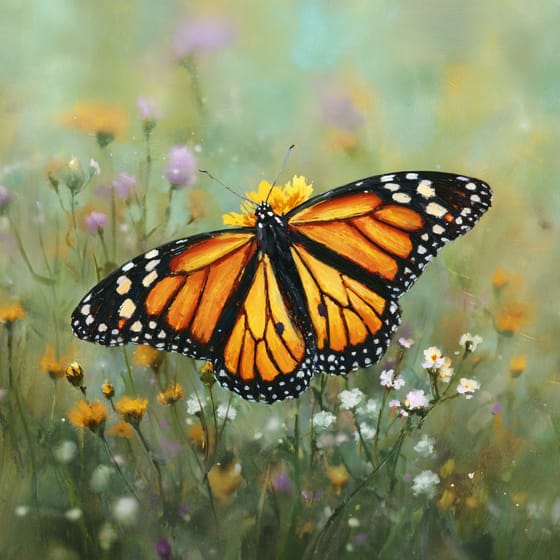
Danaus plexippus
Larvae sometimes feed on leaves.
Apis mellifera
Visits flowers to collect nectar.
.jpg&width=800)
Oncopeltus fasciatus
Feeds on seeds and sap of pods.
Climbing or vine plants are characterized by a growth habit that allows them to ascend upwards by twining, tendrils, or adhesive roots.
Flowering plants are any plants that produce flowers as part of their reproductive cycle.
Summer blooming plants produce their flowers during the summer season, often providing vibrant color when many other plants have finished.
Fragrant flowers emit a pleasant aroma, often to attract pollinators or for defense.

Describes plants that are particularly attractive and beneficial to a wide range of pollinating organisms.

Rapid growing plants exhibit accelerated growth rates, quickly increasing in size and biomass within a short period.

This habitat trait identifies species found in wetlands, which are areas of land saturated with water, either permanently or seasonally, including marshes, swamps, and bogs.
No aliases listed yet.
Danger
1/5 · Very low
Always wash your hands after touching plants, just to be safe!
The easiest way to identify honey-vine climbing milkweed is to use the Snappit nature identifier app.
300-600 cm
0.3-0.6 cm
Summer-fall
No
Mild
Perennial
Insect
Zoom in to split clusters and explore where this object has been snapped.
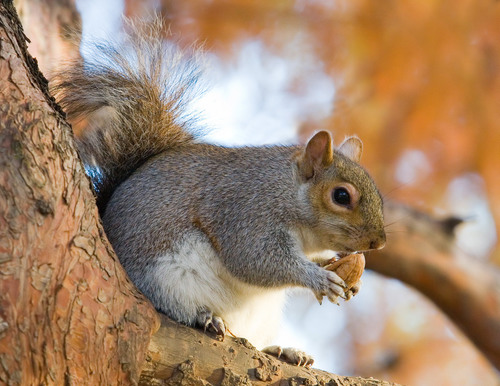
Georgia, US
You might spot Eastern Gray Squirrel, Domestic Cat, and American Robin.
View guide →

West Virginia, US
You might spot Spotted Lanternfly and Eastern Box Turtle.
View guide →

Indiana, US
You might spot Monarch, Black Swallowtail, and American Pokeweed.
View guide →

Oklahoma, US
You might spot Monarch, American Bumble Bee, and Gulf Fritillary.
View guide →

Georgia, US
You might spot Eastern Gray Squirrel, Domestic Cat, and American Robin.
View guide →

Indiana, US
You might spot American Robin, Canada Goose, and Eastern Gray Squirrel.
View guide →
Take the discovery with you
Snap it with Snappit to identify it, learn what makes it special, and add the discovery to your collection.








.jpg&width=800)


_001.jpg&width=800)




