





Poisonwood
Metopium toxiferum
The Poisonwood tree is a special tree found in tropical areas. It has shiny green leaves and can grow very tall. But be careful! Its sap can make your skin itchy.
Habitat: Tropical forests
The Poisonwood is a medium-sized tree with shiny, reddish-brown bark that peels in large flakes. Its leaves are glossy, bright green, often with reddish stems, and its small, yellowish-green flowers are followed by distinctive reddish-orange, berry-like fruits.
Category
PlantsRarity
Common
Danger
4/5 · High
Snaps
2
Despite its toxicity, White-crowned Pigeons safely eat its poisonous fruits!
Even the smoke from burning Poisonwood can cause dangerous skin and lung reactions!
Its sap turns black on contact with air and skin, leaving long-lasting dark stains!
The Poisonwood is in the same plant family as cashews and mangoes!
Poisonwood can defend itself with a potent, clear sap that causes severe allergic reactions, deterring most herbivores and humans.
Poisonwood has bright, reddish-orange fruits that may serve as a visual warning, signaling its toxicity to many potential threats.
Poisonwood can thrive in harsh coastal environments, thanks to its ability to tolerate salt spray and nutrient-poor soils.
.jpg&width=800)
Columba leucocephala
Feeds on its ripe, toxic fruits without harm.
Apis mellifera
Gathers nectar from its small, inconspicuous flowers.
Anolis carolinensis
Hides among its dense foliage from predators.
Deciduous plants periodically shed all their leaves, typically during autumn or dry seasons.
Flowering plants are any plants that produce flowers as part of their reproductive cycle.
Broadleaf trees are angiosperms characterized by flat, wide leaves that are typically shed annually in temperate climates.
Evergreen plants retain their foliage throughout the year, never shedding all their leaves at once.

Toxic organisms contain substances that are poisonous and can cause adverse effects upon exposure.

Poisonous organisms produce toxins that can cause harm when ingested, inhaled, or absorbed through contact.

Endangered status indicates a species is at a very high risk of extinction in the wild in the near future.
No aliases listed yet.
Danger
4/5 · High
Do not touch the leaves or sap of the Poisonwood tree, as it can make your skin itchy.
The easiest way to identify Poisonwood is to use the Snappit nature identifier app.
200-1500 cm
300-800 cm
0.3-0.5 cm
Spring
No
Deadly
Perennial
Zoom in to split clusters and explore where this object has been snapped.
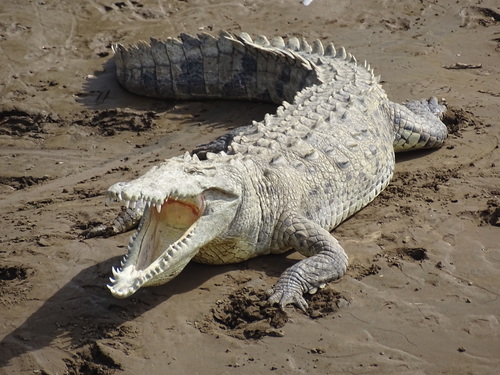
Florida, US
You might spot American Crocodile and American Alligator.
View guide →
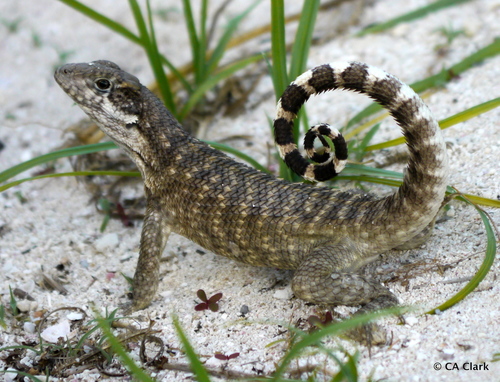
Florida, US
You might spot Northern Curly-Tailed Lizard and Green Iguana.
View guide →

US
You might spot Bottlenose Dolphin and Sea Lion.
View guide →
Take the discovery with you
Snap it with Snappit to identify it, learn what makes it special, and add the discovery to your collection.







.jpg&width=800)


_001.jpg&width=800)



