





Polka-Dot Wasp Moth
Syntomeida epilais
The Polka-Dot Wasp Moth is a colorful insect with bright yellow and black spots. It looks like a tiny superhero in the garden, fluttering around flowers and plants.
Habitat: Urban areas
The Polka-Dot Wasp Moth has a striking metallic blue-green body adorned with white polka-dots, an orange head, and matching orange legs. Its wings are mostly clear with dark veins, making it look much like a stinging wasp to scare off predators.
Category
InsectsRarity
Common
Danger
1/5 · Very low
Snaps
2
Its caterpillars munch on poisonous oleander plants, but they don't get sick!
They got their name because they look exactly like a tiny, colorful wasp!
This amazing moth has clear wings that sparkle like glass in the sunshine!
Unlike most moths, it often flies during the daytime, just like a butterfly!
Polka-Dot Wasp Moth has a convincing wasp-like appearance that helps them trick predators into thinking they are dangerous to approach.
Polka-Dot Wasp Moth can absorb toxins from its food, making it taste bad or even poisonous if a predator tries to eat it.
Polka-Dot Wasp Moth uses its bright, contrasting colors that help them warn potential predators that they are not a tasty meal.
As caterpillars, they eat poisonous leaves, but as adults, they sip sweet nectar from flowers.
Age differences: Larvae (caterpillars) feed on host plant leaves, while adults feed on nectar from flowers.
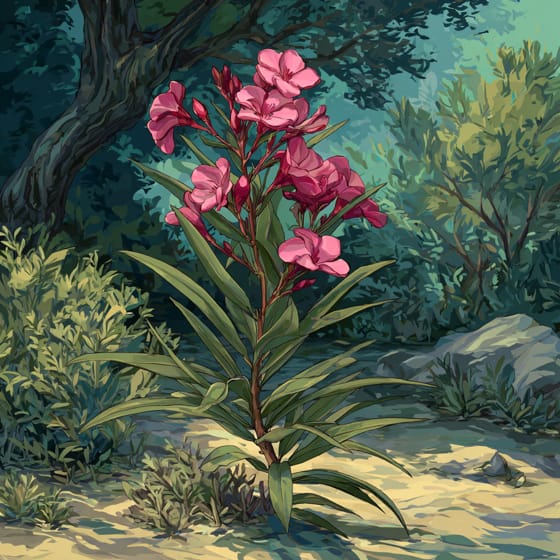
Nerium oleander
Larvae feed on its leaves

Asclepias curassavica
Caterpillars also consume its leaves
Helianthus annuus
Adults visit flowers for nectar
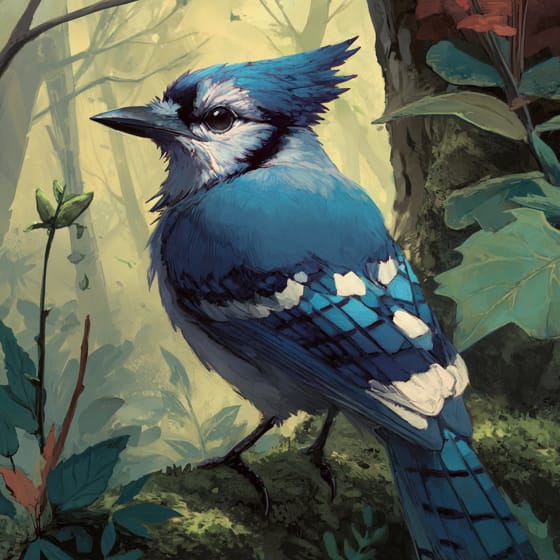
Cyanocitta cristata
A potential predator, despite toxicity
Furry describes animals possessing a dense covering of soft hair or fur.
Marked with spots or patches of a different color.
Solitary animals live alone for most of their lives, only interacting with others for mating or parental care.
Colorful describes organisms or objects displaying a wide range of bright and distinct colors.

This trait characterizes organisms whose diet consists entirely or primarily of plant material.

Describes plants that are particularly attractive and beneficial to a wide range of pollinating organisms.

Diurnal animals are primarily active during daylight hours, typically resting or sleeping at night.

This habitat trait indicates species that can coexist with humans in urban and suburban environments, utilizing man-made structures and green spaces.

Describes organisms that transfer pollen, enabling the fertilization and reproduction of plants.
No aliases listed yet.
Danger
1/5 · Very low
Don't touch moths, but enjoy watching them from a distance!
The easiest way to identify Polka-Dot Wasp Moth is to use the Snappit nature identifier app.
30-45 mm
12-15 mm
7-14 days
10 km/h
As caterpillars, they eat poisonous leaves, but as adults, they sip sweet nectar from flowers.
Urban areas
Foraging
Zoom in to split clusters and explore where this object has been snapped.

Florida, US
You might spot Green Iguana, Brown Basilisk, and Great Blue Heron.
View guide →

Florida, US
You might spot Brown Anole and Northern Curly-Tailed Lizard.
View guide →

Florida, US
You might spot Green Iguana, Brown Basilisk, and Great Blue Heron.
View guide →
Take the discovery with you
Snap it with Snappit to identify it, learn what makes it special, and add the discovery to your collection.






.jpg&width=800)



