





prairie smoke
Geum triflorum
Prairie smoke is a beautiful flower that grows in grassy areas. Its fluffy, pinkish seed heads look like little puffs of smoke, making it a fun sight in nature!
Habitat: Grasslands
The prairie smoke has nodding, bell-shaped flowers, often pink or reddish, that never fully open. Its most distinct feature is the fuzzy, feather-like seed heads that emerge after blooming, resembling wisps of smoke.
Category
PlantsRarity
Common
Danger
1/5 · Very low
Snaps
19
After blooming, the fluffy seed heads shimmer and wave, truly looking like puffs of pink smoke!
Its unique flowers stay mostly closed, keeping delicate pollen safe and dry inside!
Native Americans traditionally used parts of this plant for various medicinal purposes, like soothing teas!
You can often spot prairie smoke as one of the very first colorful wildflowers to appear in spring!
Prairie smoke has long, feathery seed tails that catch the wind, allowing its seeds to float away and spread far from the parent plant.
Prairie smoke can bloom very early in spring, taking advantage of sunlight before larger plants grow tall and create too much shade.
Prairie smoke has strong, deep rhizomatous roots that help it survive droughts and wildfires common in its native prairie habitats.

Bombus bimaculatus
It collects nectar and pollen from the early spring flowers.
Apis mellifera
Visits the flowers for nectar and helps spread pollen.
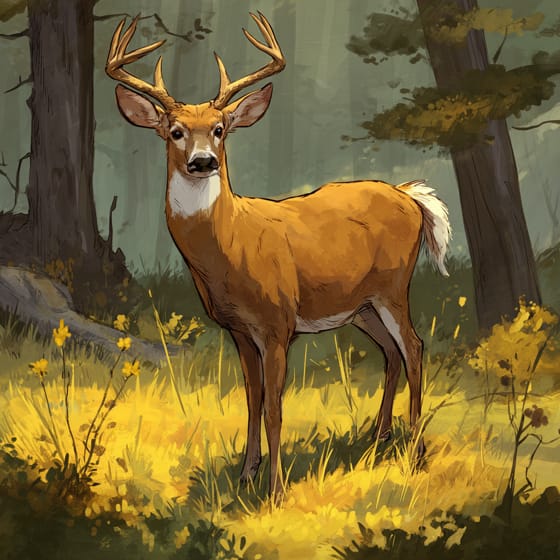
Odocoileus virginianus
Deer may browse the leaves and stems, especially when young.
Stenoptilia pterodactyla
Its larvae feed on the developing seeds of the plant.
Deciduous plants periodically shed all their leaves, typically during autumn or dry seasons.
Flowering plants are any plants that produce flowers as part of their reproductive cycle.
Spring blooming plants produce their flowers during the spring season, often signifying the end of winter and the start of new growth.
Fragrant flowers emit a pleasant aroma, often to attract pollinators or for defense.

Grassland habitats are terrestrial biomes dominated by grasses and herbaceous plants, supporting a variety of grazing animals.

Describes plants that are particularly attractive and beneficial to a wide range of pollinating organisms.
Danger
1/5 · Very low
Always look but don't touch wild plants unless an adult says it's okay.
The easiest way to identify prairie smoke is to use the Snappit nature identifier app.
20-40 cm
30-50 cm
1-2 cm
Spring
No
None
Perennial
Zoom in to split clusters and explore where this object has been snapped.

Montana, US
You might spot Bighorn Sheep and Mountain Goat.
View guide →

Colorado, US
You might spot Rocky Mountain Marsh-Marigold and American Bistort.
View guide →

Wyoming, US
You might spot Moose, Uinta Ground Squirrel, and American Bison.
View guide →

North Dakota, US
You might spot Red Panda, Pallas's Cat, and Sichuan Takin.
View guide →

Wyoming, US
You might spot Moose, Uinta Ground Squirrel, and American Bison.
View guide →

Montana, US
You might spot Field Crescent, Thimbleberry, and Baker's Mariposa Lily.
View guide →
Take the discovery with you
Snap it with Snappit to identify it, learn what makes it special, and add the discovery to your collection.







.jpg&width=800)


_001.jpg&width=800)




