





prairie trillium
Trillium recurvatum
Prairie trillium is a lovely flower that blooms in spring. It has three petals that can be purple or yellow and grows close to the ground in shady areas.
Habitat: Woodlands
The prairie trillium has three maroon to reddish-purple petals that famously curve backward and stand upright. It features three broad, mottled leaves, often with dark spots, arranged in a distinctive whorl below its single, three-petaled flower.
Category
PlantsRarity
Common
Danger
1/5 · Very low
Snaps
15
Its unique flower color helps attract special insect friends, like flies and beetles, for pollination.
Look closely! The prairie trillium's leaves often have cool, dark spots, like they're wearing camouflage!
Prairie trilliums are super slow; it can take seven years to bloom from a tiny seed!
Some people call it 'wake-robin' because it often blooms when robins return in spring!
Prairie trillium seeds have a fatty snack called an elaiosome that attracts ants, which carry seeds away to help them spread.
Prairie trillium has a strong underground stem (rhizome) that stores energy, helping it survive cold winters and bloom year after year.
Its leaves often have dark, mottled patterns that help the plant blend in with the dappled sunlight and shadows of the forest floor.

Odocoileus virginianus
Deer graze on the plant's leaves and flowers.

Aphaenogaster rudis
Ants carry seeds for their elaiosome, aiding dispersal.
Lucilia sericata
Flies are attracted to the flower's scent for pollination.
Deciduous plants periodically shed all their leaves, typically during autumn or dry seasons.
Flowering plants are any plants that produce flowers as part of their reproductive cycle.
Shade tolerant plants are adapted to grow and thrive in areas with low light levels, requiring less direct sunlight.
Spring blooming plants produce their flowers during the spring season, often signifying the end of winter and the start of new growth.

Colorful describes organisms or objects displaying a wide range of bright and distinct colors.

Describes plants that are particularly attractive and beneficial to a wide range of pollinating organisms.

Forest habitats are terrestrial environments dominated by dense tree cover, supporting a high diversity of plant and animal life.

Endangered status indicates a species is at a very high risk of extinction in the wild in the near future.
Danger
1/5 · Very low
Do not pick flowers; they are best enjoyed in nature.
The easiest way to identify prairie trillium is to use the Snappit nature identifier app.
15-40 cm
15-30 cm
2-5 cm
Spring
No
Mild
Perennial
Zoom in to split clusters and explore where this object has been snapped.

Iowa, US
You might spot House Sparrow and Common Eastern Bumble Bee.
View guide →

Michigan, US
You might spot Prairie Trillium, Large White Trillium, and Wild Geranium.
View guide →
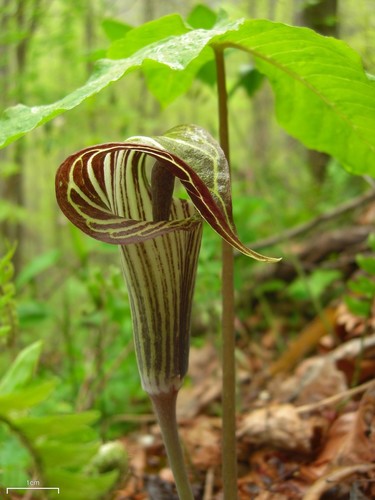
Kentucky, US
You might spot Jack-In-The-Pulpit and Prairie Trillium.
View guide →
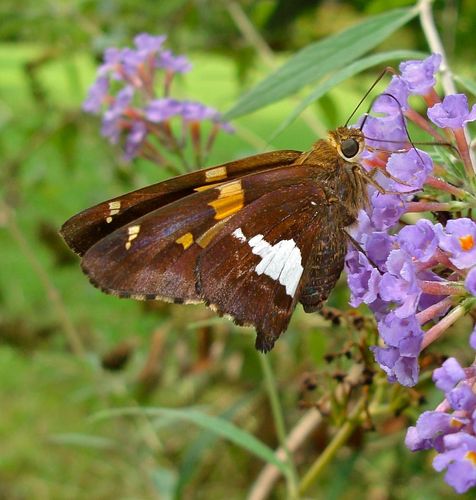
Iowa, US
You might spot Silver-Spotted Skipper, Question Mark, and Banded Pennant.
View guide →

Illinois, US
You might spot Prairie Trillium, Garter Snake, and Duck.
View guide →

Indiana, US
You might spot Mayapple, Virginia Springbeauty, and Bloodroot.
View guide →
Take the discovery with you
Snap it with Snappit to identify it, learn what makes it special, and add the discovery to your collection.






.jpg&width=800)



_001.jpg&width=800)



