





Three-cornered garlic
Allium triquetrum
Three-cornered garlic is a lovely plant with green, triangular leaves and white flowers. It grows in gardens and wild places, bringing a nice smell to the air when you touch it!
Habitat: Urban areas
The Three-cornered garlic is a slender plant with distinctive triangular stems and long, glossy, strap-like leaves. Its bell-shaped white flowers hang in loose clusters, each petal marked with a delicate green stripe, making it easily recognizable.
Category
PlantsRarity
Common
Danger
1/5 · Very low
Snaps
1
Crush a leaf, and you'll smell a strong garlic scent, a perfect plant identifier!
In some regions, it forms dense green carpets, covering whole hillsides and forest floors!
Its stems are shaped like a perfect triangle, giving it its "three-cornered" name!
Originating in Europe, this speedy plant now grows wild on nearly every continent!
Three-cornered garlic has special fatty bits on its seeds that attract ants, helping them carry and spread the seeds far away.
This plant can grow tiny mini-bulbs in its flower heads, which drop off to start new plants, allowing it to spread super fast.
Its unique three-sided stems are extra strong and flexible, helping the plant stand tall even in windy or crowded spots.
Apis mellifera
collects nectar and pollen
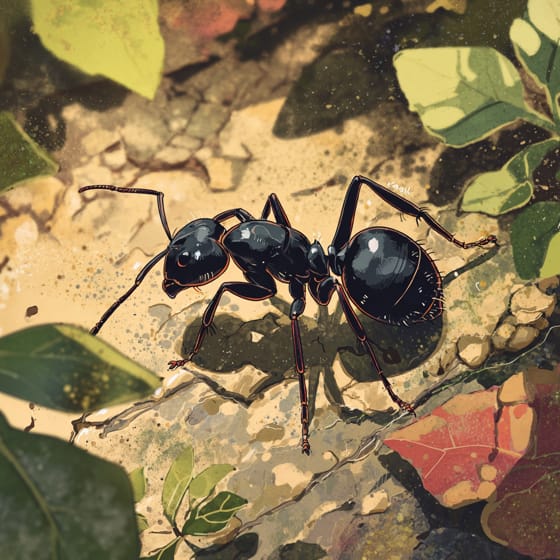
Lasius niger
disperses seeds for a fatty reward

Helix aspersa
young leaves and stems provide food
Aromatic plants produce and emit fragrant volatile organic compounds, often for defense or to attract pollinators.
Flowering plants are any plants that produce flowers as part of their reproductive cycle.
Spring blooming plants produce their flowers during the spring season, often signifying the end of winter and the start of new growth.
Fragrant flowers emit a pleasant aroma, often to attract pollinators or for defense.

Edible plants are those parts of a plant that are considered safe for human consumption.

Describes plants that are particularly attractive and beneficial to a wide range of pollinating organisms.

Rapid growing plants exhibit accelerated growth rates, quickly increasing in size and biomass within a short period.

This human use trait indicates species from which spices are derived, used for flavoring, preserving food, or as aromatic agents.

This habitat trait indicates species that can coexist with humans in urban and suburban environments, utilizing man-made structures and green spaces.
Danger
1/5 · Very low
Always ask an adult before touching or picking any plants.
The easiest way to identify Three-cornered garlic is to use the Snappit nature identifier app.
20-60 cm
1-1.5 cm
Late winter to late spring
Yes
None
Perennial
Insect
Zoom in to split clusters and explore where this object has been snapped.
Take the discovery with you
Snap it with Snappit to identify it, learn what makes it special, and add the discovery to your collection.








.jpg&width=800)


_001.jpg&width=800)



