_Sonchus_asper_-_Plant_habit.jpg&width=800)





prickly sowthistle
Sonchus asper
Prickly sowthistle is a tall plant with spiky leaves and bright yellow flowers. It often grows in gardens and fields, and its flowers attract many bees and butterflies.
Habitat: Urban areas
The prickly sowthistle has bright yellow, dandelion-like flowers and shiny, deeply lobed leaves with spiny margins. Its clasping leaf bases wrap around the stem, a distinct feature setting it apart from other similar weeds. When broken, it releases a milky white sap.
Category
PlantsRarity
Common
Danger
1/5 · Very low
Snaps
10
Its common name, 'sowthistle,' comes from pigs loving to eat this plant!
Its scientific name, 'asper,' means 'rough,' perfectly describing its spiky leaves.
The plant's milky sap was once used as a traditional folk remedy for warts!
Young prickly sowthistle leaves are a nutritious wild edible, even raw!
Prickly sowthistle has sharp, spiky leaf edges that help it defend against hungry animals trying to take a bite.
Prickly sowthistle releases a sticky, bitter white sap when injured, which deters many insects and larger herbivores.
Prickly sowthistle produces seeds with feathery parachutes that allow them to float far away on the wind.
Apis mellifera
gathers nectar and pollen
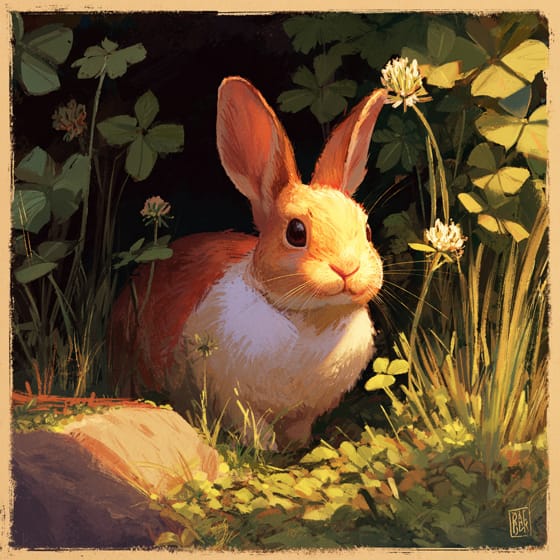
Oryctolagus cuniculus
eats its leaves and stems

Helix aspersa
grazes on its foliage
Aromatic plants produce and emit fragrant volatile organic compounds, often for defense or to attract pollinators.
Flowering plants are any plants that produce flowers as part of their reproductive cycle.
Summer blooming plants produce their flowers during the summer season, often providing vibrant color when many other plants have finished.
Edible plants are those parts of a plant that are considered safe for human consumption.

Describes plants that are particularly attractive and beneficial to a wide range of pollinating organisms.

Rapid growing plants exhibit accelerated growth rates, quickly increasing in size and biomass within a short period.

Possessing sharp, pointed projections or spines on the body or surface.

This habitat trait indicates species that can coexist with humans in urban and suburban environments, utilizing man-made structures and green spaces.
No aliases listed yet.
Danger
1/5 · Very low
Always ask an adult before touching or picking any plants.
The easiest way to identify prickly sowthistle is to use the Snappit nature identifier app.
30-150 cm
1-2 cm
Spring to Fall
Yes
None
Annual
Insect
Zoom in to split clusters and explore where this object has been snapped.
Jun 18, 2026

Alabama, US
You might spot Elf Orpine, Canada Goose, and Leatherleaf Mahonia.
View guide →

New York, US
You might spot Common Eastern Bumble Bee and American Robin.
View guide →

Texas, US
You might spot Eastern Fox Squirrel and Great-Tailed Grackle.
View guide →

California, US
You might spot Sunburst Anemone, Ochre Sea Star, and Striped Shore Crab.
View guide →

Alabama, US
You might spot Elf Orpine, Canada Goose, and Great Blue Heron.
View guide →

Ohio, US
You might spot Brown-Belted Bumble Bee and Eastern Carpenter Bee.
View guide →
Take the discovery with you
Snap it with Snappit to identify it, learn what makes it special, and add the discovery to your collection.








.jpg&width=800)



_001.jpg&width=800)



