





Prostrate Knotweed
Polygonum aviculare
Prostrate Knotweed is a low-growing plant that spreads out along the ground. It has small green leaves and tiny flowers that can be white or pink. You can often find it in gardens and along paths.
Habitat: Urban areas
The Prostrate Knotweed is a low-growing plant with slender, sprawling stems that hug the ground. Its small, oval to lance-shaped leaves often have a slight blue-green tint and are clustered at the stem nodes, making it look like a dense, mat-like ground cover.
Category
PlantsRarity
Common
Danger
1/5 · Very low
Snaps
2
Despite its name, the stems don't actually tie themselves in real knots!
Its scientific name, *Polygonum*, means 'many knees' due to its jointed stems!
This plant’s tiny seeds can sprout after sleeping in the soil for over 80 years!
Young Prostrate Knotweed leaves are edible and taste a bit like spinach!
Prostrate Knotweed can spread a dense mat of stems and roots that helps it grip the soil tightly, preventing erosion.
Prostrate Knotweed produces many small seeds that can remain viable in the soil for decades, helping it re-emerge.
Prostrate Knotweed has a strong taproot that helps it find water and nutrients even in compacted or disturbed soils.
Apis mellifera
Provides nectar for visiting bees.
Spodoptera exigua
Larvae feed on leaves and stems.
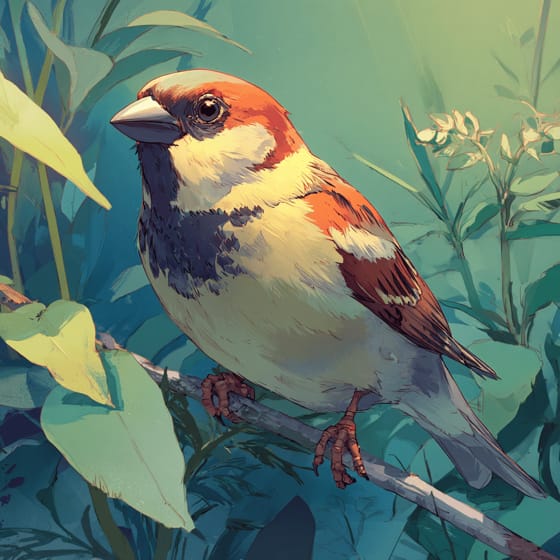
Passer domesticus
Birds consume its small seeds.
Flowering plants are any plants that produce flowers as part of their reproductive cycle.
Medicinal plants possess chemical compounds that can be used for therapeutic purposes to treat illnesses or maintain health.
Drought-tolerant plants can survive and flourish in conditions with limited water availability.
Describes plants that are particularly attractive and beneficial to a wide range of pollinating organisms.

Rapid growing plants exhibit accelerated growth rates, quickly increasing in size and biomass within a short period.

This habitat trait indicates species that can coexist with humans in urban and suburban environments, utilizing man-made structures and green spaces.
No aliases listed yet.
Danger
1/5 · Very low
Always check with an adult before touching or picking plants.
The easiest way to identify Prostrate Knotweed is to use the Snappit nature identifier app.
5-30 cm
30-100 cm
0.1-0.3 cm
Summer-fall
Yes
None
Annual
Zoom in to split clusters and explore where this object has been snapped.

New York, US
You might spot Rock Pigeon, American Robin, and Spotted Lanternfly.
View guide →

Illinois, US
You might spot Common Eastern Bumble Bee and Brown-Belted Bumble Bee.
View guide →
New York, US
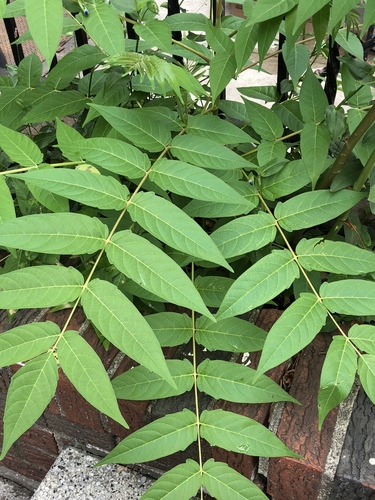
You might spot Tree-Of-Heaven, Rock Pigeon, and Spotted Lanternfly.
View guide →

Washington, US
You might spot Prostrate Knotweed, Common Dandelion, and Duck.
View guide →
Take the discovery with you
Snap it with Snappit to identify it, learn what makes it special, and add the discovery to your collection.








.jpg&width=800)



_001.jpg&width=800)




