




Pterostichus burmeisteri
Pterostichus burmeisteri
The Pterostichus burmeisteri is a shiny black beetle that loves to hide under rocks and leaves. It helps keep the environment clean by eating dead plants and insects.
Habitat: Forests
The Pterostichus burmeisteri is a medium-sized ground beetle with a sleek, glossy black body. It features distinct grooves on its wing covers (elytra) and reddish-brown legs and antennae, making it appear darker than many other common ground beetles.
Category
InsectsRarity
Common
Danger
1/5 · Very low
Snaps
Be the first to snap!
Its tough exoskeleton acts like armor, protecting it from bumps and bites!
Many Pterostichus beetles cannot fly, preferring to scurry super fast!
They can sense ground vibrations to find hidden prey lurking nearby!
This beetle helps gardeners by eating slugs and other common pests!
Pterostichus burmeisteri can release a foul-smelling liquid to deter predators, helping them escape danger.
Pterostichus burmeisteri has specialized vision that helps them navigate and hunt efficiently in the darkness of night.
Pterostichus burmeisteri has strong legs adapted for quickly burrowing into soil, helping them hide from threats.
A tiny hunter that keeps garden pests in check by munching on smaller insects and their larvae.

Arion ater
A key predator of garden molluscs.
Turdus merula
Often hunted by insectivorous birds.

Sorex araneus
A food source for small mammals.
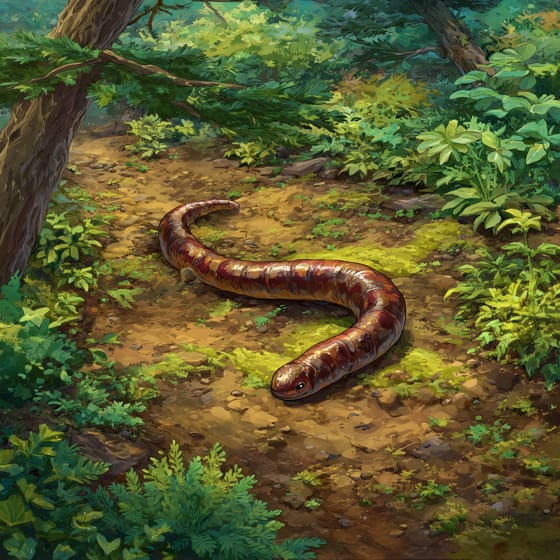
Lumbricus terrestris
Consumes earthworms encountered during foraging.
Solitary animals live alone for most of their lives, only interacting with others for mating or parental care.
Scavengers consume dead organic matter, helping to decompose carcasses and other waste in the ecosystem.
Camouflaged describes organisms that possess coloring or patterns that allow them to blend into their environment.
This trait identifies organisms whose diet primarily consists of insects and other small invertebrates.

Describes organisms that break down dead organic material, recycling nutrients back into the ecosystem.

Forest habitats are terrestrial environments dominated by dense tree cover, supporting a high diversity of plant and animal life.

Armored describes animals protected by a hard, external covering or shell for defense.

Nocturnal animals are primarily active during the nighttime hours, typically resting or sleeping during the day.
No aliases listed yet.
Danger
1/5 · Very low
Be gentle and don’t touch insects unless you know they are safe.
The easiest way to identify Pterostichus burmeisteri is to use the Snappit nature identifier app.
12-18 mm
365-1095 days
A tiny hunter that keeps garden pests in check by munching on smaller insects and their larvae.
Forests
Pursuit
6
Zoom in to split clusters and explore where this object has been snapped.
Recent snaps will appear here as new observations are added.
Take the discovery with you
Snap it with Snappit to identify it, learn what makes it special, and add the discovery to your collection.









.jpg&width=800)



