





Pure Green Sweat bee
Augochlora pura
The Pure Green Sweat Bee is a shiny green bee that loves to buzz around flowers. They are friendly and help plants grow by spreading pollen while they collect nectar.
Habitat: Urban areas
The Pure Green Sweat bee is a small, iridescent bee with a brilliant metallic green body. Its striking emerald sheen makes it easy to distinguish from most other bees, which are typically black or yellow striped.
Category
InsectsRarity
Common
Danger
1/5 · Very low
Snaps
2
Female sweat bees build their own tiny nests all by themselves, often underground.
Pure Green Sweat bees get their name because they love to lap up human sweat!
Their amazing metallic green bodies can shimmer like a jewel in the sunlight!
These bees help pollinate many of your favorite fruits and vegetables!
Pure Green Sweat bee can transfer pollen because it visits many flowers, helping plants grow.
Pure Green Sweat bee can excavate intricate nests in soil or rotting wood to raise its young.
Pure Green Sweat bee has a tongue designed to sip salty sweat, helping it get vital minerals.
Pure Green Sweat bee can fly quickly between flowers because of its powerful wing muscles, finding food sources.
They feast on flower nectar for energy and pollen for protein to grow strong!
Rudbeckia hirta
They help this flower reproduce by carrying pollen.

Taraxacum officinale
An important early season food source for them.
Misumena vatia
This spider often ambushes bees waiting on flowers.
Coelopencyrtus augochlorae
Its larvae feed on the sweat bee larvae in the nest.
Social animals live in organized groups, cooperating for survival benefits such as foraging, defense, and raising offspring.
Colorful describes organisms or objects displaying a wide range of bright and distinct colors.
This trait characterizes organisms whose diet consists entirely or primarily of plant material.
Describes plants that are particularly attractive and beneficial to a wide range of pollinating organisms.

Diurnal animals are primarily active during daylight hours, typically resting or sleeping at night.

Describes a species whose presence and role have a disproportionately large effect on its environment.

Pertaining to species that are significantly smaller than typical or average for their kind.

This habitat trait indicates species that can coexist with humans in urban and suburban environments, utilizing man-made structures and green spaces.

Describes organisms that transfer pollen, enabling the fertilization and reproduction of plants.
No aliases listed yet.
Danger
1/5 · Very low
Don't swat at bees! They usually just want to collect nectar and won't hurt you.
The easiest way to identify Pure Green Sweat bee is to use the Snappit nature identifier app.
10-16 mm
5-8 mm
30-90 days
5 km/h
They feast on flower nectar for energy and pollen for protein to grow strong!
Urban areas
Foraging
Zoom in to split clusters and explore where this object has been snapped.

Connecticut, US
You might spot Striped Wintergreen and Common Eastern Bumble Bee.
View guide →

Connecticut, US
You might spot Striped Wintergreen and Common Eastern Bumble Bee.
View guide →
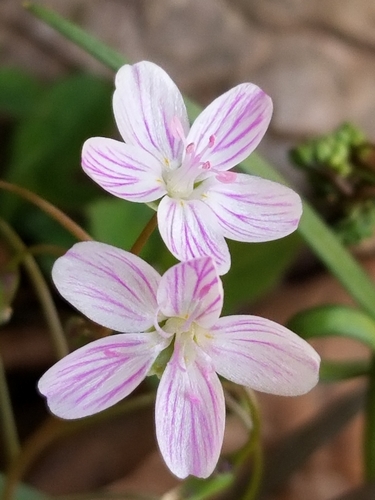
New Jersey, US
You might spot Virginia Springbeauty, Wineberry, and Multiflora Rose.
View guide →

Indiana, US
You might spot Amur Honeysuckle, Sycamore, and Common Pawpaw.
View guide →

Indiana, US
You might spot Amur Honeysuckle, Eastern Fox Squirrel, and Sycamore.
View guide →

Indiana, US
You might spot Amur Honeysuckle, Sycamore, and Common Pawpaw.
View guide →
Take the discovery with you
Snap it with Snappit to identify it, learn what makes it special, and add the discovery to your collection.







.jpg&width=800)


