





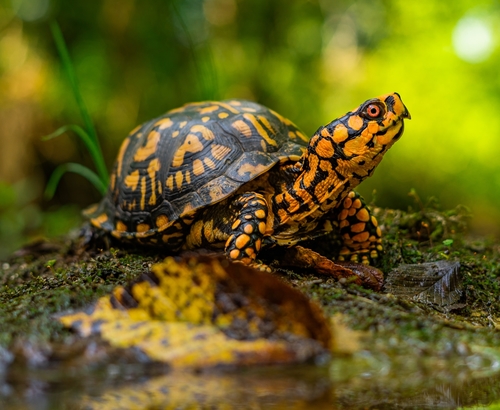
Eastern Box Turtle
Martin State Forest offers a tranquil escape into over 7,000 acres of Indiana's rugged woodlands.
Martin State Forest offers a tranquil escape into over 7,000 acres of Indiana's rugged woodlands. This expansive public property, located in south-central Indiana, provides a rich tapestry of natural beauty, from towering hardwood forests to serene lakes and historic structures, making it an ideal destination for outdoor recreation and nature appreciation. It's a place where visitors can truly immerse themselves in the peace and grandeur of Indiana's preserved natural landscape.
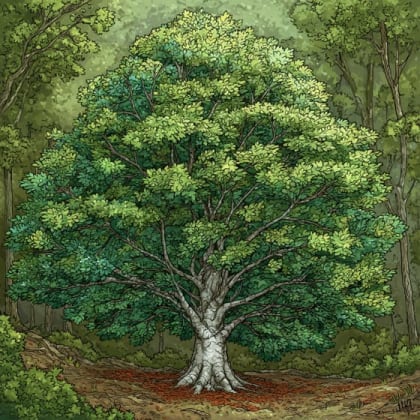
The forest is home to a diverse array of features, including three tranquil lakes—Martin Lake, Hardwood Lake, and Pine Lake—perfect for fishing for bluegill, channel catfish, and largemouth bass, or simply observing local wildlife. The easily accessible Hoosier Woodland Arboretum, adjacent to the forest office, features a self-guided trail showcasing over 60 identified species of Indiana's common woodland trees like oaks, hickories, beech, and maple. Extensive hiking and mountain biking trails wind through rugged hills and deep woods, with highlights such as the Tank Spring Trail leading to a nature preserve with sandstone cliffs and a permanent spring, and the Woodland Education Trail offering interpretive signs about forest ecology. Keep an eye out for white-tailed deer, wild turkeys, and various bird species, especially around Pine Lake where migratory birds like osprey and great egrets can be spotted.
Visiting Martin State Forest offers a profound connection with nature, blending active pursuits with educational opportunities. Its pristine forestland and diverse ecosystems provide endless adventures, from spotting iconic Indiana wildlife to exploring trails that reveal the changing seasons' beauty. The presence of historical Civilian Conservation Corps structures, such as the Willow Valley Fire Tower and shelterhouses, adds a layer of heritage to the natural exploration, making each visit both memorable and enriching. Eager to name that creature? Identify any animal you find during your visit using the Snappit app.
Martin State Forest was established in 1932 with an initial purchase of 1,205 acres, setting the stage for its development into a significant natural resource. Early improvements came swiftly, with a firetower and picnic area constructed soon after its establishment. In 1933, the Civilian Conservation Corps (CCC) played a crucial role in its development, building several shelterhouses that remain part of the forest's infrastructure today. Over the decades, the forest expanded significantly, growing to its current size of over 7,000 acres through additional land purchases and trades. Much of the acquired land was previously eroded farmland or heavily cut-over woodland. Through years of intensive management, including extensive tree planting, diligent firefighting efforts, and selective timber harvests, the area was transformed into the lush, healthy, and growing forest that visitors experience today. The area also holds historical significance as ancestral lands of the Miami Indian Tribe.
Engage in hiking on varied trails, explore the designated mountain biking paths, enjoy fishing in the stocked lakes, or try to spot white-tailed deer, wild turkeys, and diverse birdlife. Picnicking and primitive camping are also popular activities.
Spring brings a bloom of wildflowers, offering excellent photography opportunities. During fall and early winter, hikers should wear hunter orange or other bright clothing due to hunting season. Winter transforms the forest into a starkly beautiful landscape, though some amenities might be less accessible.
The Arboretum Trail includes a shorter segment that is wheelchair-accessible, especially in dry weather. Several picnic shelters and picnic areas within the forest are wheelchair accessible, as are many pit toilets and the forest office.
Don't miss the self-guided Hoosier Woodland Arboretum, the scenic Martin and Hardwood Lakes, the historic Willow Valley Fire Tower, and the unique geological features of the Tank Spring Nature Preserve.
Each card links to a full Explore page with photos, traits, and fun facts.
Start with the big picture, then zoom in to explore individual wildlife observations around this place.
Wear Hunter Orange
If visiting during hunting season (typically fall and winter), wear bright orange clothing for safety on trails.
Bring Binoculars
Enhance your wildlife viewing experience by bringing binoculars to spot birds and other animals from a distance.
Pack Out All Trash
Help keep the forest pristine by carrying out everything you bring in.
Stay on Marked Trails
To protect the natural environment and for your own safety, always remain on designated trails.
Secure Food from Wildlife
When camping or picnicking, store food properly to prevent attracting animals like raccoons and squirrels.
Arrive Early for Camping
Campsites are primitive and available on a first-come, first-served basis, so arriving early is recommended, especially on weekends or during peak seasons.
May 27, 2026
May 27, 2026
May 27, 2026
Apr 7, 2026
Apr 7, 2026

Maryland, US
You might spot White-Tailed Deer and Eastern Gray Squirrel.
View guide →
.jpg)
District of Columbia, US
You might spot Eastern Gray Squirrel, Duck, and House Sparrow.
View guide →

Illinois, US
You might spot American Robin, Canada Goose, and House Sparrow.
View guide →

Virginia, US
You might spot Spotted Lanternfly and Northern Cardinal.
View guide →
Take the discovery with you
Identify the wildlife you spot, learn as you go, and keep a collection of the adventure.
















.jpg&width=800)





_(8592459332).jpg&width=800)




