





Russian olive
Elaeagnus angustifolia
The Russian olive is a bushy plant with silver-green leaves and small yellow flowers. It grows in many places and can be very helpful for wildlife, providing food and shelter.
Habitat: Urban areas
The Russian olive is a small tree or shrub recognized by its distinctive silvery-green, lance-shaped leaves that often have a fuzzy texture. It produces small, fragrant yellow flowers and later bears small, round, silvery-red berries. Its bark is often reddish-brown and shredding.
Category
PlantsRarity
Common
Danger
2/5 · Low
Snaps
6
It's not truly from Russia, but Central Asia and Europe!
Its shimmering silvery leaves look like tiny fish scales!
Its tough, flexible wood was once used to make bows and tools!
The plant can survive even when buried by sand for years!
Russian olive can thrive in dry, harsh soils, thanks to its extensive root system that seeks out deep water.
It has special glands to excrete excess salt, allowing it to grow where many other plants cannot.
Russian olive hosts tiny bacteria in its roots that enrich the soil by capturing nitrogen from the air.
Its branches are armed with sharp thorns that help protect its leaves and fruits from hungry animals.
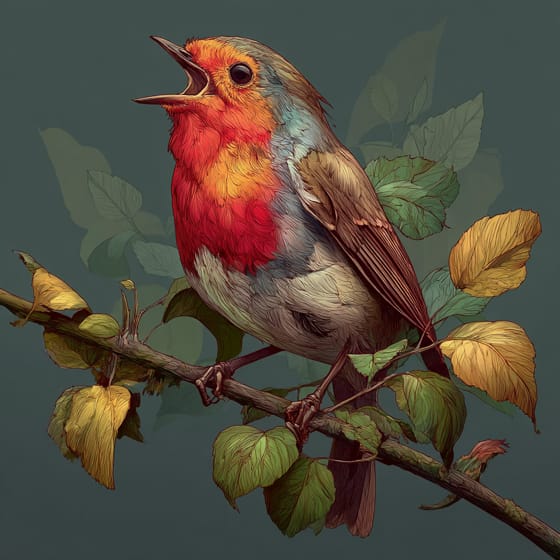
Turdus migratorius
consumes its abundant, sweet fruits
Apis mellifera
attracted to its fragrant yellow flowers
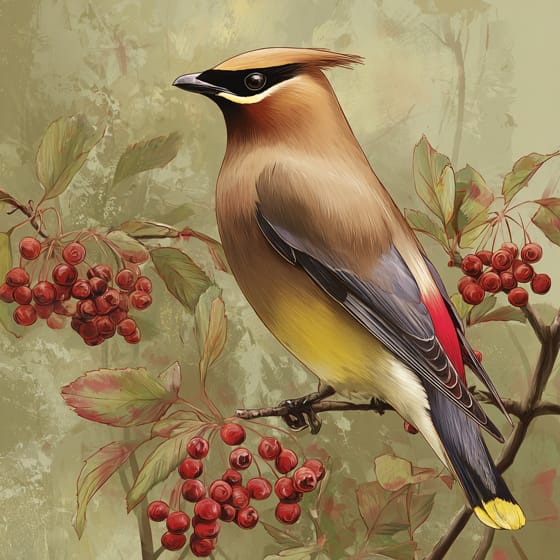
Bombycilla cedrorum
feeds on berries during migration and winter
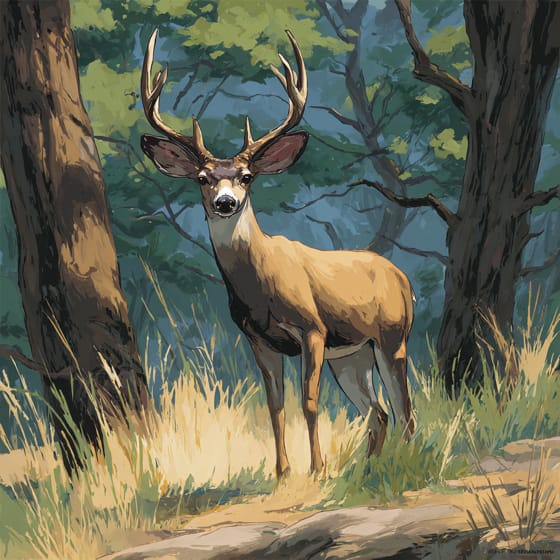
Odocoileus hemionus
browses on its leaves and twigs
Deciduous plants periodically shed all their leaves, typically during autumn or dry seasons.
Describes organisms capable of converting atmospheric nitrogen into compounds usable by plants.
A shrub is a woody plant smaller than a tree, typically with multiple stems branching from or near the ground.
Broadleaf trees are angiosperms characterized by flat, wide leaves that are typically shed annually in temperate climates.

Fragrant flowers emit a pleasant aroma, often to attract pollinators or for defense.

Fruit-bearing plants produce fruits, which are the mature ovaries of flowering plants containing seeds.

Drought-tolerant plants can survive and flourish in conditions with limited water availability.

Describes plants that are particularly attractive and beneficial to a wide range of pollinating organisms.

This habitat trait indicates species that can coexist with humans in urban and suburban environments, utilizing man-made structures and green spaces.

Invasive species are non-native organisms that cause harm to the environment, economy, or human health.
No aliases listed yet.
Danger
2/5 · Low
Be careful not to touch the sharp thorns on the branches.
The easiest way to identify Russian olive is to use the Snappit nature identifier app.
300-1200 cm
300-1000 cm
0.5-1 cm
Late Spring - Early Summer
Yes
None
Perennial
Zoom in to split clusters and explore where this object has been snapped.

Colorado, US
You might spot Common Side-Blotched Lizard and Eastern Collared Lizard.
View guide →

Nebraska, US
You might spot Showy Milkweed and Straight-Lined Wave.
View guide →

Arizona, US
You might spot Golden Eagle, Black Bear, and Cougar.
View guide →

New Mexico, US
You might spot Black-Billed Magpie and Gunnison's Prairie Dog.
View guide →

North Dakota, US
You might spot Moose, Ring-Necked Pheasant, and Field Bindweed.
View guide →

New Mexico, US
You might spot Black-Billed Magpie and Gunnison's Prairie Dog.
View guide →
Take the discovery with you
Snap it with Snappit to identify it, learn what makes it special, and add the discovery to your collection.








.jpg&width=800)
_001.jpg&width=800)




