





Red-Banded Hairstreak
calycopis cecrops
The Red-Banded Hairstreak is a beautiful butterfly with striking red stripes on its wings. It loves to flutter around flowers, sipping sweet nectar during sunny days!
Habitat: Gardens, meadows, and open woodlands
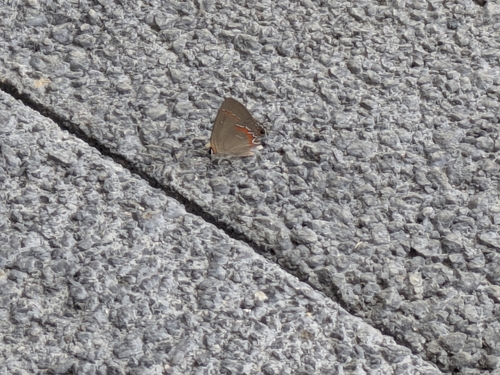
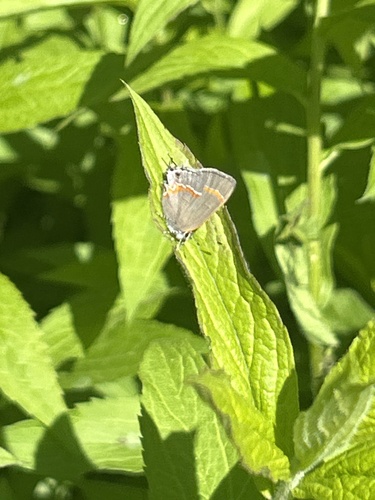
The Red-Banded Hairstreak is a small butterfly with dark, often brownish-gray upperwings and a striking dark gray underside. Its hindwings feature a vibrant reddish-orange band and delicate, hair-like tails that help distinguish it from other butterflies.
Category
InsectsRarity
Common
Danger
0/5 · No known danger
Snaps
19
Adults sip nectar using a long, straw-like tongue called a proboscis!
Its caterpillars wear tiny "head-caps" that they shed and sometimes eat!
Sometimes these tiny butterflies will perch upside down to hide from birds.
The red band on its wings warns some predators that it might taste bad.
Red-Banded Hairstreak has dull undersides with intricate patterns that help them blend seamlessly into their surroundings when resting.
Red-Banded Hairstreak can fly with quick, erratic movements that make it incredibly hard for predators to catch them.
Adults drink flower nectar, while caterpillars munch on specific plant leaves.
Age differences: Larvae eat plant leaves, while adults drink nectar from flowers.
Rhus copallina
Caterpillars feed on its leaves for growth and development.
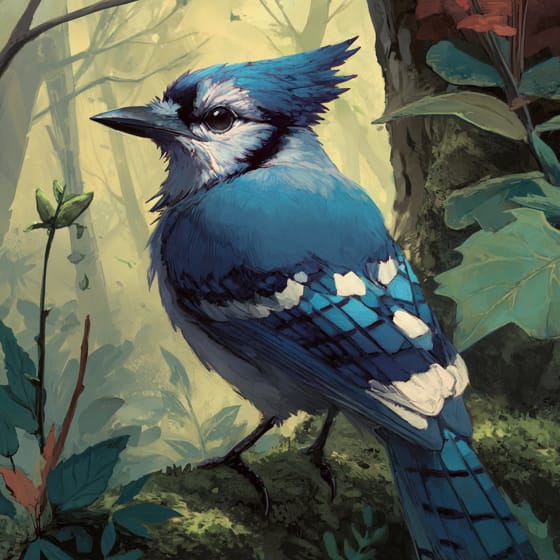
Cyanocitta cristata
A common bird predator that preys on butterflies.

Asclepias syriaca
Adults visit flowers to drink nectar, aiding in pollination.
Social animals live in organized groups, cooperating for survival benefits such as foraging, defense, and raising offspring.
Arboreal animals live primarily in trees, utilizing them for shelter, food, and protection from predators.
Colorful describes organisms or objects displaying a wide range of bright and distinct colors.
Diurnal animals are primarily active during daylight hours, typically resting or sleeping at night.

Describes organisms that transfer pollen, enabling the fertilization and reproduction of plants.
Danger
0/5 · No known danger
No special safety notes yet.
The easiest way to identify Red-Banded Hairstreak is to use the Snappit nature identifier app.
25-38 mm
10-15 mm
7-14 days
10-15 km/h
Adults drink flower nectar, while caterpillars munch on specific plant leaves.
Gardens, meadows, and open woodlands
Foraging
Zoom in to split clusters and explore where this object has been snapped.
Jun 17, 2026
Haskell-Baker WetlandsPhoto attribution
(c) Lydia Dexter, some rights reserved (CC BY)
License: CC BY 4.0 ↗
Image may be shown cropped inside the card frame.
May 31, 2026
Wilton Center Historic DistrictPhoto attribution
no rights reserved
License: CC0 1.0 ↗
Image may be shown cropped inside the card frame.

Tennessee, US
You might spot House Sparrow, Northern Mockingbird, and Gulf Fritillary.
View guide →

Pennsylvania, US
You might spot Eastern Tiger Swallowtail and Slowpoke Moth.
View guide →

Kansas, US
You might spot American Robin, Monarch, and Italian Wall Lizard.
View guide →

Tennessee, US
You might spot Pond Slider, White-Tailed Deer, and Great Blue Heron.
View guide →

Tennessee, US
You might spot North American River Otter and Sand Tiger Shark.
View guide →

Pennsylvania, US
You might spot House Sparrow, Spotted Lanternfly, and American Robin.
View guide →
Take the discovery with you
Snap it with Snappit to identify it, learn what makes it special, and add the discovery to your collection.








.jpg&width=800)



