





White Tailed Deer

The Isaac Franklin Plantation, also known as Fairvue, is a historic property in Gallatin, Tennessee, with a complex and challenging past.
The Isaac Franklin Plantation, also known as Fairvue, is a historic property in Gallatin, Tennessee, with a complex and challenging past. What was once the expansive estate of a prominent antebellum slave trader and planter has since been transformed into a private golf course community featuring luxury homes. While the original mansion still stands, it has undergone significant alterations, and public access to the historic house is not typically available. Today, the site, often referred to as The Club at Fairvue Plantation, blends modern residential living with echoes of its 19th-century origins. Visitors interested in American history may find the area noteworthy for its profound historical context, understanding that the property's accessibility is now primarily limited to residents and club members. The landscape, once a working plantation spanning 2,000 acres for crops like tobacco and cotton, and raising cattle and thoroughbred horses, now features a meticulously maintained golf course interspersed with homes. While not a public park in the traditional sense, the site holds immense historical weight, particularly concerning the institution of slavery in the United States. Its story offers a poignant, albeit somber, reflection on the nation's past. The property's evolution from a vast plantation built on enslaved labor to a modern community highlights changing societal landscapes and the enduring presence of history within contemporary spaces. Take the ultimate field guide with you: use the Snappit app to identify birds, plants, and animals on your trip.
The Fairvue Plantation was established in 1832 by Isaac Franklin, a central figure in the antebellum slave trade. Franklin, born in Sumner County, Tennessee, became one of the wealthiest men in the South through his partnership with John Armfield, forming what was considered the largest slave-trading firm in the region between 1828 and 1836. His firm trafficked approximately 1,200 enslaved people annually, generating substantial profits. Franklin retired from the slave trade in 1835, transitioning fully into life as a planter, owning multiple plantations across Louisiana and Tennessee, including his 2,000-acre Fairvue estate. He utilized enslaved labor for the construction of the mansion and the operation of his farms. After Franklin's death in 1846, the property passed through several hands, including becoming a horse farm under Charles Reed in 1882. In 1934, William H. Wemyss acquired the property and undertook a multi-year restoration. Under the Wemyss' stewardship, Fairvue was designated a National Historic Landmark in 1977. However, this designation was withdrawn on April 4, 2005, because extensive development into a golf course community and alterations to the main house diminished its historic integrity and resemblance to its original state. Today, much of the original plantation land has been developed into a gated community of luxury homes.
Visitors can potentially observe the general area from public roads. Some sources mention that the property is rumored to be haunted, with reports of spectral sightings, particularly related to the history of slavery at the site.
Not applicable for public visitation, as it is a private residence.
As a private community, no public accessibility features are maintained or advertised for the historic house.
There are no public exhibits or formal tour highlights.
Historical markers might be present in the vicinity that offer information about the property's past.
The mansion itself, though altered, remains a point of historical interest.
Each card links to a full Explore page with photos, traits, and fun facts.









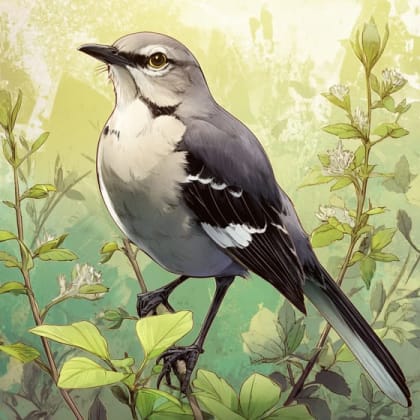











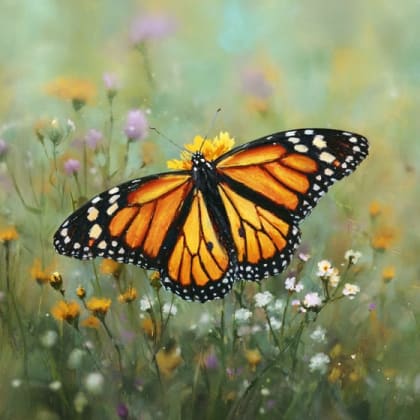



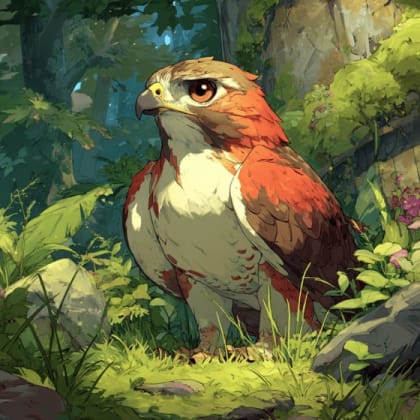












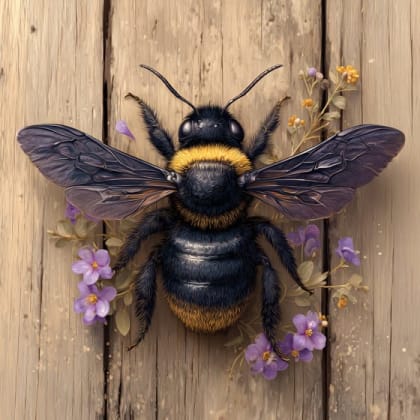

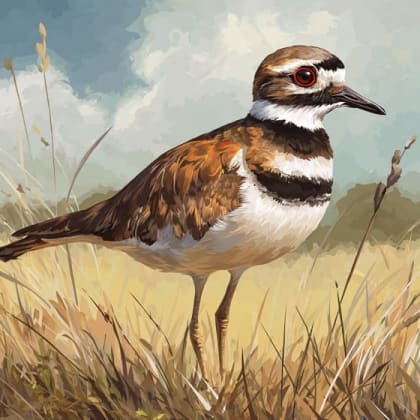





Start with the big picture, then zoom in to explore individual wildlife observations around this place.
Respect private property
As the site is a private community, it's crucial to respect the privacy of residents and club members.
Seek historical markers
Look for historical markers in the Gallatin area that might provide information about the plantation's past.
Research its history
Due to its limited public access, gaining a comprehensive understanding of the site is best achieved through online research and historical texts.
Understand the context
Be aware of the difficult and painful history associated with Isaac Franklin and the institution of slavery at this site.
Jun 18, 2026
Jun 17, 2026
Jun 17, 2026
Jun 15, 2026
Jun 10, 2026

Maryland, US
You might spot White-Tailed Deer and Eastern Gray Squirrel.
View guide →
.jpg)
District of Columbia, US
You might spot Eastern Gray Squirrel, Duck, and House Sparrow.
View guide →

Illinois, US
You might spot American Robin, Canada Goose, and House Sparrow.
View guide →

Virginia, US
You might spot Spotted Lanternfly and Northern Cardinal.
View guide →
Take the discovery with you
Identify the wildlife you spot, learn as you go, and keep a collection of the adventure.

.jpg&width=800)


