





Red-breasted Goose
Branta ruficollis
The Red-breasted Goose is a colorful bird with a bright red chest and black head. They are known for their beautiful patterns and love to gather in groups near water.
Habitat: Wetlands
The Red-breasted Goose is a small goose with a stunning black body, sharply contrasted by white flanks and a rich chestnut-red neck and breast. It features a distinctive white patch on its face, outlining its dark eyes, making it highly recognizable.
Category
BirdsRarity
Rare
Danger
1/5 · Very low
Snaps
Be the first to snap!
Red-breasted Geese fly over 5,000 km each year to warmer places.
Their unique red chest helps them stand out to find a mate!
They often nest near powerful falcons or buzzards for protection!
They're one of the smallest geese, barely bigger than some ducks!
Red-breasted Geese can fly thousands of kilometers, navigating across continents to their wintering grounds.
Red-breasted Geese can nest near fierce raptors because the raptors help protect their nests from ground predators.
Red-breasted Geese has extra vigilance by joining larger goose flocks, which helps them spot predators sooner.
These geese mostly munch on fresh green grasses and tender plant shoots to fuel their long journeys.
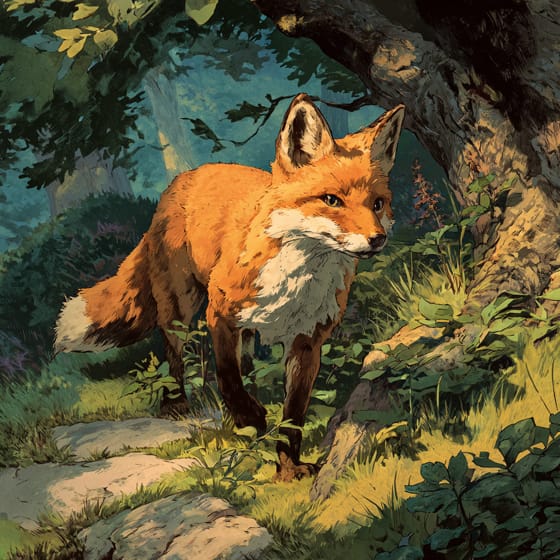
Vulpes vulpes
Preys on eggs and goslings.

Aquila chrysaetos
Hunts adult geese.
Buteo lagopus
Nests nearby for protection.

Anser albifrons
Forms mixed flocks for safety.
Feathered describes animals, primarily birds, possessing a covering of feathers.
Social animals live in organized groups, cooperating for survival benefits such as foraging, defense, and raising offspring.
Aerial creatures spend a significant portion of their lives airborne, utilizing flight for various activities such as hunting, migration, or nesting.
Singing animals produce complex vocalizations, often for purposes of attracting mates, defending territory, or communicating within their species.

Colorful describes organisms or objects displaying a wide range of bright and distinct colors.

This trait characterizes organisms whose diet consists entirely or primarily of plant material.

This habitat trait identifies species found in wetlands, which are areas of land saturated with water, either permanently or seasonally, including marshes, swamps, and bogs.

Migratory animals undertake seasonal movements from one region to another, typically in response to changes in climate or food availability.

Threatened status denotes a species likely to become endangered in the foreseeable future without effective conservation interventions.
No aliases listed yet.
Danger
1/5 · Very low
Always watch birds from a distance and don't try to touch them.
The easiest way to identify Red-breasted Goose is to use the Snappit nature identifier app.
53-56 cm
110-125 cm
1-1.6 kg
10-15 years
80 km/h
These geese mostly munch on fresh green grasses and tender plant shoots to fuel their long journeys.
Wetlands
Zoom in to split clusters and explore where this object has been snapped.
Recent snaps will appear here as new observations are added.
Take the discovery with you
Snap it with Snappit to identify it, learn what makes it special, and add the discovery to your collection.




.jpg&width=800)








