





Greater White-fronted Goose
Anser albifrons
The Greater White-fronted Goose is a big bird with a lovely white patch on its face. It loves to swim in lakes and rivers and can often be seen flying in a V shape with its friends.
Habitat: Wetlands
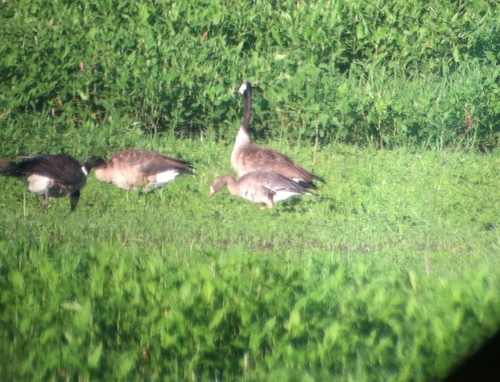
The Greater White-fronted Goose has a greyish-brown body with distinctive black bars and splotches on its belly. Adults feature a striking white patch at the base of their pink-orange bill, which makes them visually different from similar geese. Its head and neck are darker than its body.
Category
BirdsRarity
Common
Danger
2/5 · Low
Snaps
7
Baby geese, called goslings, can walk and feed themselves within a day of hatching!
Some Greater White-fronted Geese have been recorded living for over 20 years!
The distinctive white patch on their face only appears when they become adults!
They often choose a mate for life and stay together for many, many years!
Greater White-fronted Geese can find tasty plants and seeds because of their strong bills that help them graze and dig effectively.
Greater White-fronted Geese can find their way across vast distances because they have an amazing sense of direction that helps them migrate accurately.
Greater White-fronted Geese have a diverse range of honks and calls that helps them stay connected and warn each other of danger.
These geese are plant-eaters, enjoying various greens and seeds they find in fields and wetlands.
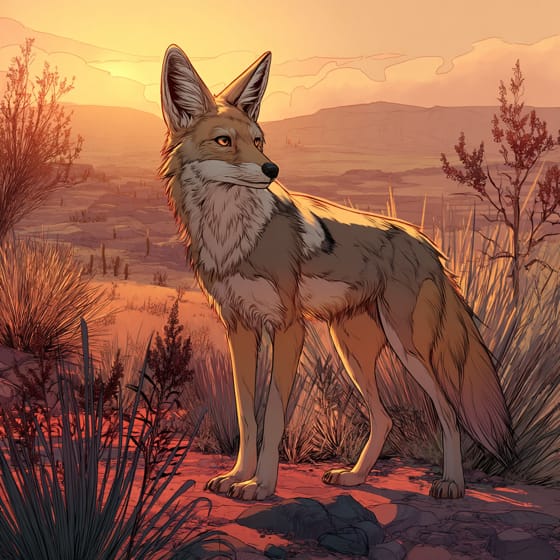
Canis latrans
preys on eggs and young goslings in nesting areas.
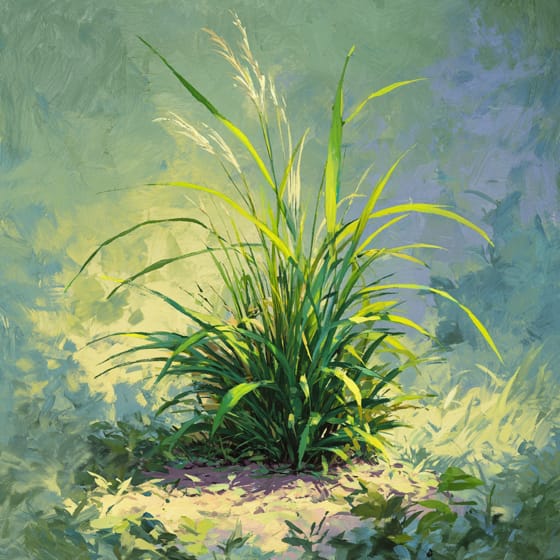
Poa pratensis
grazes on fresh grass shoots and leaves in fields.

Aquila chrysaetos
hunts goslings and sometimes adults during migration.

Triticum aestivum
forages in agricultural fields for fallen grains and sprouts.
Feathered describes animals, primarily birds, possessing a covering of feathers.
Characterized by having toes connected by a membrane, typically aiding in swimming.
Social animals live in organized groups, cooperating for survival benefits such as foraging, defense, and raising offspring.
Aerial creatures spend a significant portion of their lives airborne, utilizing flight for various activities such as hunting, migration, or nesting.

This trait characterizes organisms whose diet consists entirely or primarily of plant material.

This habitat trait identifies species found in wetlands, which are areas of land saturated with water, either permanently or seasonally, including marshes, swamps, and bogs.

Diurnal animals are primarily active during daylight hours, typically resting or sleeping at night.

Migratory animals undertake seasonal movements from one region to another, typically in response to changes in climate or food availability.
No aliases listed yet.
Danger
2/5 · Low
Always watch geese from a distance and don't feed them, as they can be protective of their space.
The easiest way to identify Greater White-fronted Goose is to use the Snappit nature identifier app.
65-80 cm
130-165 cm
1.9-3.4 kg
10-20 years
70 km/h
These geese are plant-eaters, enjoying various greens and seeds they find in fields and wetlands.
Wetlands
Zoom in to split clusters and explore where this object has been snapped.
Aug 31, 2014
La Grange Lock and DamPhoto attribution
(c) Cole Wolf, some rights reserved (CC BY)
License: CC BY 4.0 ↗
Image may be shown cropped inside the card frame.

Missouri, US
You might spot Common Eastern Bumble Bee and Brown-Belted Bumble Bee.
View guide →

Iowa, US
You might spot House Sparrow, Northern Cardinal, and House Finch.
View guide →

Iowa, US
You might spot Common Milkweed, Amur Honeysuckle, and Canada Anemone.
View guide →

Arkansas, US
You might spot Water Tupelo, Banded Watersnake, and Prothonotary Warbler.
View guide →

US
You might spot Great-Tailed Grackle, Duck, and Pond Slider.
View guide →
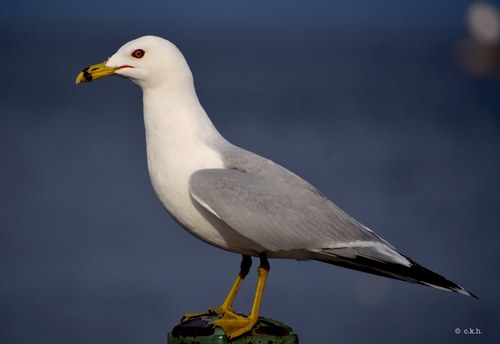
Indiana, US
You might spot Ring-Billed Gull, Duck, and Greater White-Fronted Goose.
View guide →
Take the discovery with you
Snap it with Snappit to identify it, learn what makes it special, and add the discovery to your collection.




.jpg&width=800)







