





Red-crowned Crane
Grus japonensis
The Red-crowned Crane is a beautiful bird known for its striking red crown and long legs. They are graceful dancers and often perform special dances to attract mates.
Habitat: Wetlands
The Red-crowned Crane has striking pure white plumage, contrasted by a black neck and black secondary wing feathers. Its most unique feature is a vibrant patch of bare red skin on its crown, which brightens during mating season. It stands tall on long, dark legs.
Category
BirdsRarity
Rare
Danger
1/5 · Very low
Snaps
Be the first to snap!
A Red-crowned Crane's chick can walk and even swim just hours after hatching!
Some Red-crowned Cranes stay in one place all year, even through freezing cold winters!
These cranes are amazing dancers, performing graceful leaps and bows to find a mate!
They use their long bills to find yummy snacks hidden deep underwater or in mud!
Red-crowned Cranes can produce loud trumpeting calls because their long windpipe coils into their sternum, amplifying their voice for distant communication.
Red-crowned Cranes have broad wings that help them soar effortlessly on air currents, conserving energy during long migratory flights.
Red-crowned Cranes can endure harsh cold winters because some populations are resident, adapting to icy wetlands to find food.
These tall birds are omnivores, eating small animals and plants found in wetlands.
Rana chensinensis
Cranes hunt these frogs in wetlands.
Misgurnus anguillicaudatus
A favorite food, caught with their sharp bills.
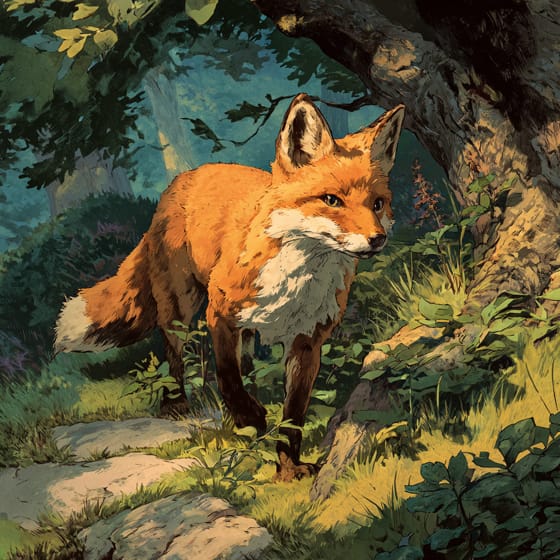
Vulpes vulpes
Foxes can try to eat crane eggs or young chicks.

Oryza sativa
Cranes sometimes forage for fallen grains in rice fields.
Feathered describes animals, primarily birds, possessing a covering of feathers.
Social animals live in organized groups, cooperating for survival benefits such as foraging, defense, and raising offspring.
Aerial creatures spend a significant portion of their lives airborne, utilizing flight for various activities such as hunting, migration, or nesting.
Colorful describes organisms or objects displaying a wide range of bright and distinct colors.

This trait characterizes organisms whose diet consists entirely or primarily of plant material.

This trait characterizes organisms with an exceptionally long lifespan compared to others of their kind.

This habitat trait identifies species found in wetlands, which are areas of land saturated with water, either permanently or seasonally, including marshes, swamps, and bogs.

Migratory animals undertake seasonal movements from one region to another, typically in response to changes in climate or food availability.

Endangered status indicates a species is at a very high risk of extinction in the wild in the near future.
Danger
1/5 · Very low
Always watch birds from a distance and don't try to touch them.
The easiest way to identify Red-crowned Crane is to use the Snappit nature identifier app.
100-158 cm
220-250 cm
7-10 kg
15-20 years
100 km/h
These tall birds are omnivores, eating small animals and plants found in wetlands.
Wetlands
Zoom in to split clusters and explore where this object has been snapped.
Recent snaps will appear here as new observations are added.
Take the discovery with you
Snap it with Snappit to identify it, learn what makes it special, and add the discovery to your collection.






.jpg&width=800)








