





Red Huckleberry
Vaccinium parvifolium
The Red Huckleberry is a small shrub that grows bright red berries. These tasty berries are loved by birds and people alike, making it a fun plant to discover in the wild!
Habitat: Forests
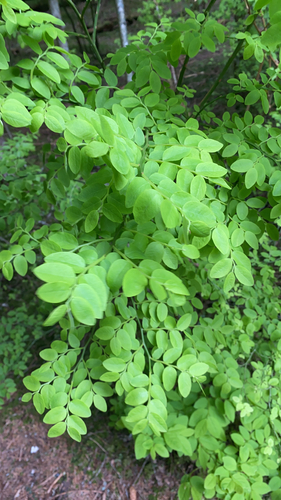
The Red Huckleberry is a slender shrub with bright green, oval leaves that often appear somewhat flattened. Its distinctive feature is its small, translucent, ruby-red berries hanging like tiny jewels from the branches, contrasting with the vibrant foliage.
Category
PlantsRarity
Common
Danger
1/5 · Very low
Snaps
5
Indigenous peoples traditionally used these berries for food and medicine for centuries!
Its leaves turn fiery red and orange in the fall before dropping off!
The tiny red berries are super juicy, bursting with a tart, sweet flavor!
This plant can grow on old mossy logs and even high up in trees!
Red Huckleberry can regrow quickly after fires or damage, thanks to its tough underground stems.
Red Huckleberry can sometimes grow on mossy logs or tree trunks, absorbing nutrients from decaying matter.
Red Huckleberry has adapted to thrive in the dim light of dense forests, growing where many others can't.
Ursus americanus
eats its sweet, tart berries.
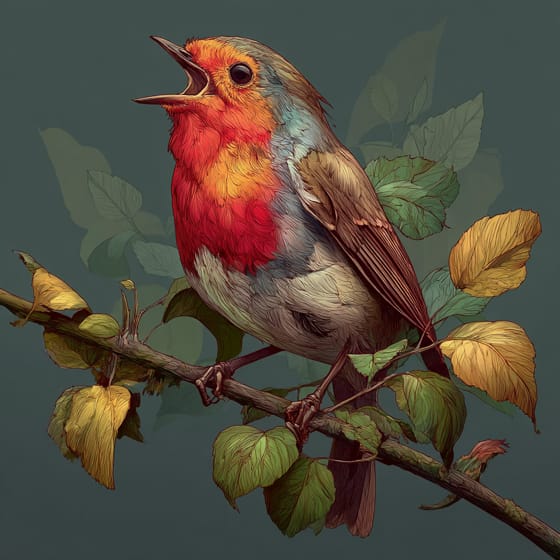
Turdus migratorius
feasts on the small red fruit.
Bombus vosnesenskii
collects nectar and pollen from flowers.
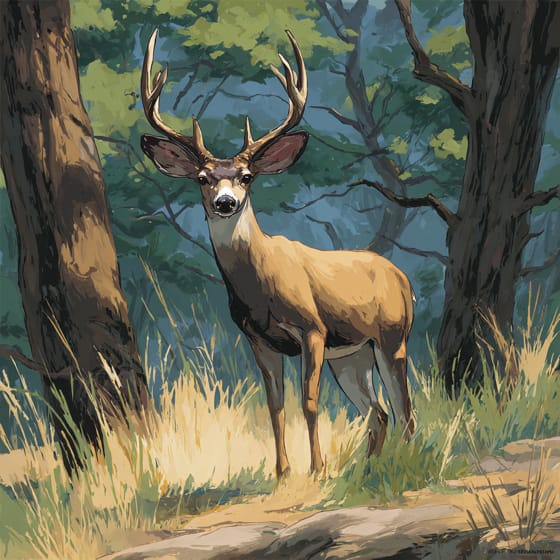
Odocoileus hemionus
browses on its leaves and twigs.
Deciduous plants periodically shed all their leaves, typically during autumn or dry seasons.
Shade tolerant plants are adapted to grow and thrive in areas with low light levels, requiring less direct sunlight.
A shrub is a woody plant smaller than a tree, typically with multiple stems branching from or near the ground.
Fruit-bearing plants produce fruits, which are the mature ovaries of flowering plants containing seeds.

Edible plants are those parts of a plant that are considered safe for human consumption.

Forest habitats are terrestrial environments dominated by dense tree cover, supporting a high diversity of plant and animal life.
Danger
1/5 · Very low
Always check with an adult before eating any berries you find in nature.
The easiest way to identify Red Huckleberry is to use the Snappit nature identifier app.
50-400 cm
50-200 cm
0.4-0.6 cm
Late Spring to Early Summer
Yes
None
Perennial
Zoom in to split clusters and explore where this object has been snapped.
May 26, 2026
Sitka National Historical ParkPhoto attribution
(c) ashevillebirder, some rights reserved (CC BY)
License: CC BY 4.0 ↗
Image may be shown cropped inside the card frame.

Alaska, US
You might spot Bald Eagle, Salmonberry, and Ochre Sea Star.
View guide →

US
You might spot Variable Carpet Moth, Bald Eagle, and Red Huckleberry.
View guide →

Washington, US
You might spot Surf Scoter, Horned Grebe, and Salmonberry.
View guide →

Washington, US
You might spot Cascade Oregon-Grape, Douglas Fir, and Salal.
View guide →

Washington, US
You might spot Pacific Tree Frog, Pacific Banana Slug, and Salal.
View guide →

Washington, US
You might spot Salal, Bog Labrador Tea, and Salmonberry.
View guide →
Take the discovery with you
Snap it with Snappit to identify it, learn what makes it special, and add the discovery to your collection.







.jpg&width=800)



_001.jpg&width=800)


