
Rough Skinned Newt
Discover the Pacific Northwest's oldest arboretum, a captivating outdoor laboratory rich in history and towering trees.
Discover the Pacific Northwest's oldest arboretum, a captivating outdoor laboratory rich in history and towering trees. Part of the larger Wind River Experimental Forest, this unique research arboretum in Carson, Washington, blends scientific heritage with natural beauty, offering visitors an immersive educational experience amidst a diverse collection of trees.
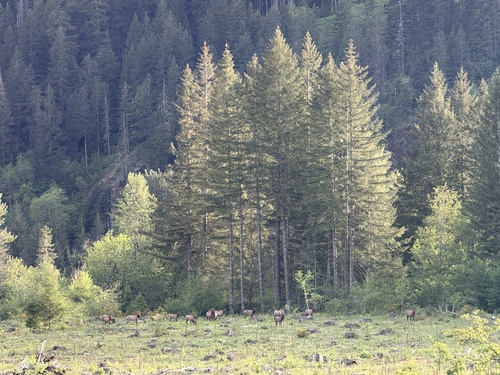
Established in 1912, the arboretum was designed to compare the performance of native Pacific Northwest tree species with exotic varieties from around the globe, providing invaluable insights into sustainable forestry. Today, visitors can explore a fascinating landscape where colossal native old-growth trees stand alongside the surviving remnants of experimental plantings. The interpretive trails showcase impressive specimens like Coast Douglas-fir, Western Hemlock, and the famous section of the Mineral Tree—once the tallest Douglas-fir in the state—alongside non-native species such as the distinctive Monkey Puzzle Trees and Giant Sequoias.
A visit to the Wind River Arboretum is an opportunity to connect with over a century of forest research, stroll through serene woodland, and marvel at the enduring power and beauty of the region's arboreal giants. It's a memorable destination for anyone interested in botany, history, or simply a peaceful walk surrounded by some of the most magnificent trees in Washington. The ongoing restoration efforts are bringing this historic site back to its original prominence, ensuring its legacy continues for future generations. Explore the grounds like a pro—download the Snappit app to instantly identify animals and plants.
The Wind River Arboretum was established in 1912 by Thornton T. Munger of the United States Forest Service, making it the oldest arboretum in the Pacific Northwest. Its primary purpose was to conduct extensive research, comparing tree species from various temperate and subtropical zones worldwide with native Pacific Northwest trees to determine their suitability for commercial forestry. Over 90 years, 165 species were tested, leading to the conclusion that native species like Coast Douglas-fir and Western Hemlock were best adapted to the local environment, with many non-native species failing to thrive long-term. The arboretum was an integral part of the broader Wind River Experimental Forest, formally designated in 1932, which played a crucial role in early forest research, including nursery practices and silvicultural studies. After decades of reduced maintenance, the arboretum is now undergoing restoration by the Wind River Trust and volunteers, aiming to preserve its historic plantings and enhance visitor experience.
Take an interpretive walk, identify different tree species using trail markers, enjoy a picnic at nearby Hemlock Picnic Area, or combine your visit with other activities within the Wind River Historic District, such as the accessible Whistle Punk Trail.
In winter, expect potential snow and rain, with deciduous trees bare and evergreens covered in moss and lichen, creating a unique photographic opportunity. Summer brings warmer weather and lower water levels in Trout Creek, ideal for wading.
The interpretive walk generally has little elevation gain and is maintained to be wide and clear, making it suitable for a pleasant, easy walk. The nearby Whistle Punk Trail in the wider Wind River Historic District is also accessible.
Witness majestic Douglas-fir and Western Hemlock stands, some over 400 years old.
Observe a large cross-section of the fallen Mineral Tree, once the tallest Douglas-fir recorded in Washington State, housed under a shelter at the trailhead.
Discover surviving non-native trees from around the world, planted during early research, with interpretive markers identifying them. Look for the distinctive Monkey Puzzle Trees near the entrance and Giant Sequoias along the loop.
Follow the clear, marked trails to learn about the arboretum's research history and the various tree species.
Each card links to a full Explore page with photos, traits, and fun facts.
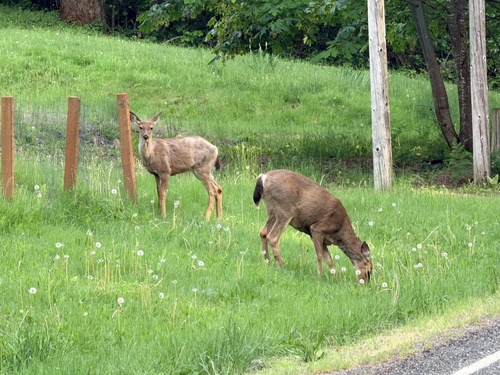
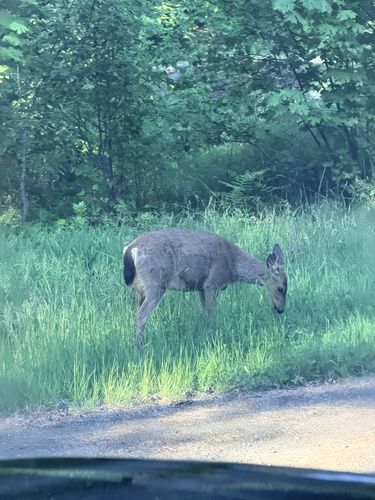
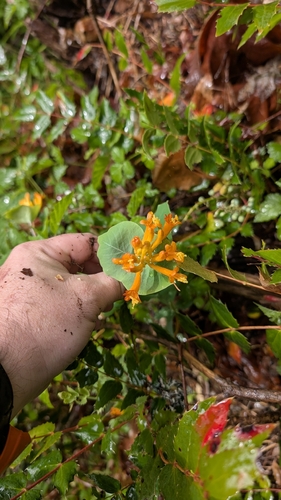
Start with the big picture, then zoom in to explore individual wildlife observations around this place.
Check restoration updates
** The arboretum is undergoing restoration; check the Historic Wind River website for the latest information on trail conditions and interpretive signage.
Visit the Wind River Historic District
The arboretum is part of a larger historic district that includes old forestry buildings and other recreational opportunities.
Allow time for identification
Many trees have markers, so take your time to read and identify the different native and exotic species.
Combine with other activities
Consider visiting nearby attractions like Falls Creek Falls or the Whistle Punk Trail for a fuller day of exploration in the Gifford Pinchot National Forest.
Pack a picnic
There's a nice picnic table next to a stream along the trail, and the Hemlock Picnic Area is nearby.
Dress in layers
Weather in the Pacific Northwest can change quickly, so layers are recommended, especially for visits outside of peak summer.
May 27, 2026
Photo attribution
(c) Josie Graydon, some rights reserved (CC BY)
License: CC BY 4.0 ↗
Image may be shown cropped inside the card frame.
May 20, 2026
Photo attribution
no rights reserved
License: CC0 1.0 ↗
Image may be shown cropped inside the card frame.
May 20, 2026
Photo attribution
no rights reserved
License: CC0 1.0 ↗
Image may be shown cropped inside the card frame.
May 19, 2026
Photo attribution
no rights reserved
License: CC0 1.0 ↗
Image may be shown cropped inside the card frame.
May 13, 2026
Photo attribution
(c) Christopher Burton, some rights reserved (CC BY)
License: CC BY 4.0 ↗
Image may be shown cropped inside the card frame.

Maryland, US
You might spot White-Tailed Deer and Eastern Gray Squirrel.
View guide →
.jpg)
District of Columbia, US
You might spot Eastern Gray Squirrel, Duck, and House Sparrow.
View guide →

Illinois, US
You might spot American Robin, Canada Goose, and House Sparrow.
View guide →

Virginia, US
You might spot Spotted Lanternfly and Northern Cardinal.
View guide →
Take the discovery with you
Identify the wildlife you spot, learn as you go, and keep a collection of the adventure.