_head.JPG&width=800)





Red-legged Seriema
Cariama cristata
The Red-legged Seriema is a tall bird with long legs and a beautiful red color on its legs. It loves to run and can be found in open grasslands, making it a fun bird to watch!
Habitat: Grasslands
The Red-legged Seriema is a tall, slender bird with mostly greyish-brown plumage and long, striking red legs. It has a distinctive short crest of stiff feathers on its head and bright red skin around its eyes and bill, setting it apart from other ground birds.
Category
BirdsRarity
Common
Danger
2/5 · Low
Snaps
Be the first to snap!
Seriemas can eat venomous snakes without getting harmed.
Their loud call can be heard over 3 kilometers away!
They build nests in low trees or shrubs, not on the ground.
They often prefer to run away from danger rather than fly.
Red-legged Seriemas can kill snakes by repeatedly slamming them against the ground, helping them subdue dangerous prey.
Red-legged Seriemas can run at speeds up to 70 km/h, which helps them escape predators and chase down fast prey.
Red-legged Seriemas have an incredibly loud, territorial call that alerts others to potential threats or presence.
This bird is an omnivore, eating many small animals, insects, seeds, and even fruits!
Age differences: Young seriemas primarily consume insects and small invertebrates, gradually expanding their diet.
Crotalus durissus
A key predator of this venomous snake.
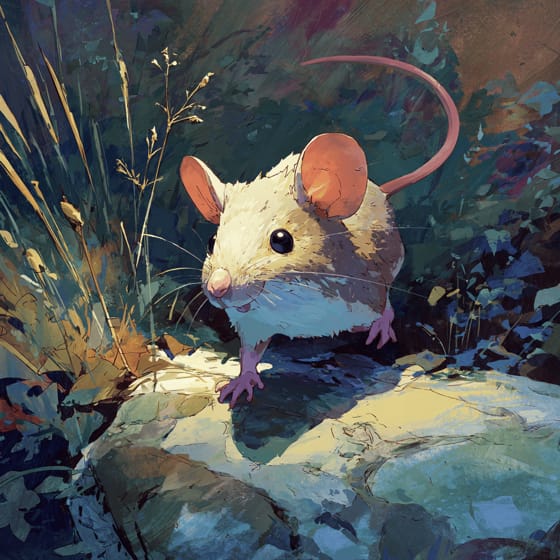
Mus musculus
They actively chase and prey upon small rodents.
Puma concolor
Large wild cats may occasionally prey on adult seriemas.
Cerdocyon thous
Foxes can prey on seriema eggs and young chicks.
Feathered describes animals, primarily birds, possessing a covering of feathers.
Social animals live in organized groups, cooperating for survival benefits such as foraging, defense, and raising offspring.
Grassland habitats are terrestrial biomes dominated by grasses and herbaceous plants, supporting a variety of grazing animals.
This trait identifies organisms whose diet primarily consists of insects and other small invertebrates.

This trait identifies organisms whose diet consists entirely or primarily of animal tissue.

Diurnal animals are primarily active during daylight hours, typically resting or sleeping at night.

This trait identifies organisms that exhibit exceptional swiftness in movement for hunting, escape, or travel.
No aliases listed yet.
Danger
2/5 · Low
Always watch birds from a distance and don't try to touch them.
The easiest way to identify Red-legged Seriema is to use the Snappit nature identifier app.
70-90 cm
120-135 cm
1.2-1.5 kg
10-15 years
70 km/h
This bird is an omnivore, eating many small animals, insects, seeds, and even fruits!
Grasslands
Zoom in to split clusters and explore where this object has been snapped.
Recent snaps will appear here as new observations are added.
Take the discovery with you
Snap it with Snappit to identify it, learn what makes it special, and add the discovery to your collection.




.jpg&width=800)








