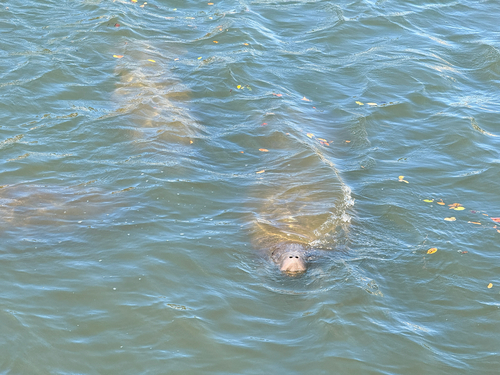
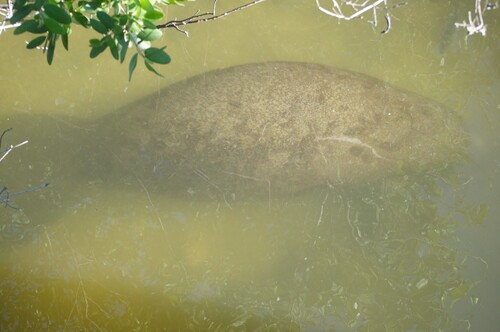
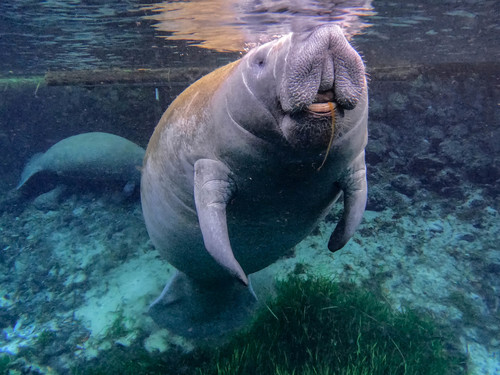
West Indian Manatee
Cockroach Bay Aquatic Preserve is a sprawling aquatic wonderland along Tampa Bay, perfect for nature enthusiasts.
Cockroach Bay Aquatic Preserve is a sprawling aquatic wonderland along Tampa Bay, perfect for nature enthusiasts. This remarkable preserve protects nearly 5,000 acres of submerged lands, featuring critical coastal uplands, freshwater wetlands, and estuarine habitats that teem with life. Its preserved waters and extensive mangrove forests provide a crucial sanctuary for diverse marine and avian species, making it a vital ecological treasure on Florida's Gulf Coast.
Visitors can explore a vibrant ecosystem characterized by lush mangrove tunnels, expansive seagrass beds, and thriving oyster reefs, all of which contribute to the health of Tampa Bay. The preserve is a haven for a variety of birds, including striking species like Roseate Spoonbills and Reddish Egrets, and serves as a nursery ground for many fish, such as Red Drum and Snook. Keep an eye out for bottlenose dolphins gracefully navigating the waterways and West Indian manatees seeking refuge in the warm, shallow waters.
Whether you choose to paddle through serene waterways, embark on a birdwatching expedition, or simply soak in the untouched natural beauty, Cockroach Bay Aquatic Preserve offers an unforgettable escape. Its successful restoration story and ongoing conservation efforts make it a shining example of ecological preservation and a testament to the power of community engagement. It's a place where every visit supports the health of one of Florida's most significant estuarine environments. Enhance your adventure: download the Snappit app to identify the local species you encounter.
The Cockroach Bay Aquatic Preserve holds a rich history, with archaeological evidence indicating indigenous tribes relied on its abundant seafood resources since pre-Columbian times. The preserve’s intriguing name is believed to have originated from early Spanish explorers, who mistook the area's numerous horseshoe crabs for sea-dwelling "cockroaches." Before its designation as a preserve, the area endured significant environmental challenges, including use as farmland and mining pits, leading to habitat degradation and invasive plant infestations. Public concern in the late 1950s helped establish Florida's aquatic preserve system, and in 1991, Hillsborough County purchased key parcels of land for restoration. A monumental 20-year restoration project, involving numerous volunteers, environmental groups, and government agencies, transformed the landscape, restoring wetlands, uplands, and coastal habitats. The successful completion of this large-scale ecosystem restoration in 2012 significantly improved the health of Tampa Bay and its marine life.
Kayaking, canoeing, stand-up paddleboarding, birdwatching, fishing (snook and redfish are common), and hiking on upland trails. Keep an eye out for manatees, dolphins, and various wading birds.
Winter (Nov-Mar): Best for birding due to migratory species and increased manatee sightings as they seek warmer waters.
Summer (Jun-Aug): Trails may be wet or inundated; be prepared for higher temperatures and more insects. Mangrove Cuckoos have been observed breeding here.
Accessibility varies by access point. The Cockroach Bay Road Boat Ramp provides direct water access. Upland trails at the Cockroach Bay Nature Preserve offer walking paths. Parking is available at specific access points.
Explore the marked Horseshoe Crab and Snook Canoe Trails through serene mangrove tunnels and open water.
A scenic overlook offering panoramic views of the preserve and Tampa Bay.
Over 260 species of birds have been recorded, particularly abundant in winter with ducks and wading birds.
Paddle through extensive mangrove forests that act as vital nurseries for marine life.
Each card links to a full Explore page with photos, traits, and fun facts.
Start with the big picture, then zoom in to explore individual wildlife observations around this place.
Bring your own paddlecraft or rent
While there's a boat ramp, the best way to explore the preserve's intricate waterways and mangrove tunnels is by kayak, canoe, or stand-up paddleboard, as many areas are too shallow for motorboats and are designated "no motor zones."
Check tides and weather
Paddling through mangrove tunnels can be affected by tidal levels, and windy conditions can make the bay choppy. Check conditions before heading out for a more enjoyable and safer trip.
Pack essentials
Bring plenty of water, sun protection (hat, sunscreen, long sleeves), insect repellent (especially in warmer months), and snacks. There are no facilities on the islands, so plan accordingly.
Use a map or GPS
While paddling trails are marked, markers can sometimes be hard to spot. A physical map or a GPS device is recommended to navigate the labyrinthine mangrove islands and avoid getting lost.
Visit "Mount Cockroach"
For an excellent vantage point, hike to "Mount Cockroach" in the upland portion of the preserve for panoramic views of the landscape and Tampa Bay.
"Leave No Trace"
Practice responsible tourism by packing out everything you pack in. Seagrass is protected, so avoid shallow waters with a motor and raise it if over seagrass to prevent fines.
Feb 23, 2026
Photo attribution
(c) WaterGoat, some rights reserved (CC BY)
License: CC BY 4.0 ↗
Image may be shown cropped inside the card frame.
Jan 21, 2019
Photo attribution
(c) Maria, some rights reserved (CC BY)
License: CC BY 4.0 ↗
Image may be shown cropped inside the card frame.
May 31, 2026
May 26, 2026
May 24, 2026

Maryland, US
You might spot White-Tailed Deer and Eastern Gray Squirrel.
View guide →
.jpg)
District of Columbia, US
You might spot Eastern Gray Squirrel, Duck, and House Sparrow.
View guide →

Illinois, US
You might spot American Robin, Canada Goose, and House Sparrow.
View guide →

Virginia, US
You might spot Spotted Lanternfly and Northern Cardinal.
View guide →
Take the discovery with you
Identify the wildlife you spot, learn as you go, and keep a collection of the adventure.