





white fawnlily
Erythronium albidum
The white fawnlily is a beautiful flower with delicate white petals that look like little bells. It blooms in spring and adds a lovely touch to the forest floor.
Habitat: Forests
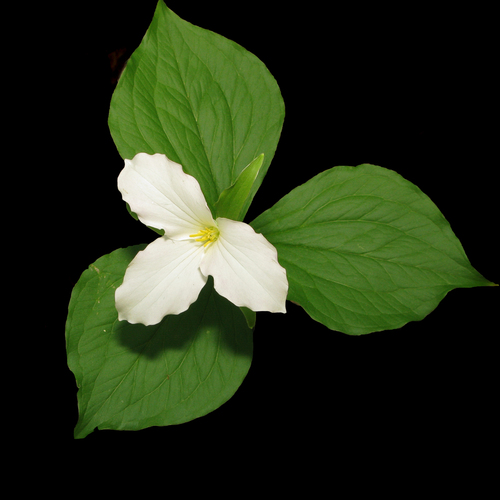
The white fawnlily is a small plant with two broad, mottled leaves that often resemble a fawn's spots. It has a single, nodding, bell-shaped flower with six strongly recurved, creamy-white petals that often have yellow or reddish-brown markings near the base.
Category
PlantsRarity
Common
Danger
1/5 · Very low
Snaps
7
Its leaves are spotted like a baby deer, giving this spring flower its 'fawnlily' name!
Many call it 'trout lily' too, because its blooming often signals trout season in rivers!
The petals of its bell-shaped flowers curl all the way back, almost touching the stem!
This early bloomer races to grow and flower before tall trees leaf out and block the sun!
White fawnlily grows and blooms rapidly in early spring, before trees leaf out, to capture precious sunlight.
This plant has a bulb underground that stores energy, helping it survive winter and pop up early each spring.
White fawnlily has seeds with a fatty attachment that ants love, so they carry them away, helping disperse new plants.
Apis mellifera
collects nectar and pollen
Bombus impatiens
visits flowers for nectar

Odocoileus virginianus
browses leaves and flowers
Formica fusca
disperses seeds with elaiosomes
Bell-shaped flowers possess petals fused or arranged to form a cup-like or campanulate structure resembling a bell.
Flowering plants are any plants that produce flowers as part of their reproductive cycle.
Shade tolerant plants are adapted to grow and thrive in areas with low light levels, requiring less direct sunlight.
Spring blooming plants produce their flowers during the spring season, often signifying the end of winter and the start of new growth.

Fragrant flowers emit a pleasant aroma, often to attract pollinators or for defense.

Edible plants are those parts of a plant that are considered safe for human consumption.

Describes plants that are particularly attractive and beneficial to a wide range of pollinating organisms.

Forest habitats are terrestrial environments dominated by dense tree cover, supporting a high diversity of plant and animal life.
Danger
1/5 · Very low
Do not pick flowers without asking an adult first, and always be gentle with nature.
The easiest way to identify white fawnlily is to use the Snappit nature identifier app.
10-30 cm
10-20 cm
2-5 cm
Spring
Yes
Mild
Perennial
Zoom in to split clusters and explore where this object has been snapped.

Iowa, US
You might spot False Rue Anemone, Sharp-Lobed Hepatica, and Common Shiner.
View guide →

Illinois, US
You might spot Prairie Trillium, Garter Snake, and Duck.
View guide →

Illinois, US
You might spot Large White Trillium and Virginia Bluebells.
View guide →
Ohio, US
You might spot Large White Trillium, Virginia Saxifrage, and Bloodroot.
View guide →

Ohio, US
You might spot Toadshade, Virginia Springbeauty, and Dutchman's Breeches.
View guide →

Iowa, US
You might spot White-Tailed Deer, Jack-In-The-Pulpit, and White Fawnlily.
View guide →
Take the discovery with you
Snap it with Snappit to identify it, learn what makes it special, and add the discovery to your collection.







.jpg&width=800)


_001.jpg&width=800)


