





Red Mountain Ratsnake
Oreocryptophis porphyraceus
The Red Mountain Ratsnake is a beautiful snake with bright red and black colors. It loves to climb trees and can be found in the mountains, where it hides in rocks and bushes.
Habitat: Mountain regions
The Red Mountain Ratsnake is a slender, medium-sized snake known for its striking coloration. It typically has a bright red or reddish-orange body adorned with distinct black or dark brown bands and a pale belly, often with a white or yellow throat. Its vibrant hues make it stand out from forest foliage.
Category
ReptilesRarity
Common
Danger
2/5 · Low
Snaps
Be the first to snap!
Baby Red Mountain Ratsnakes hatch from eggs, looking like miniature versions of their parents.
Its vibrant colors actually warn predators it might be dangerous, even though it's harmless!
They are known for their calm nature, making them popular in the pet trade!
This snake is an amazing 'escape artist' and can squeeze through tiny cracks!
Red Mountain Ratsnake can constrict its prey because its powerful body muscles allow it to squeeze small animals tightly, helping them hunt effectively.
Red Mountain Ratsnake has unique scale patterns and coloration that help it blend into the forest undergrowth, making it a master of camouflage for hunting.
Red Mountain Ratsnake can climb trees with ease because its specialized belly scales provide excellent grip, helping them reach prey in high places.
This snake is a carnivore that loves to eat small mammals and birds.
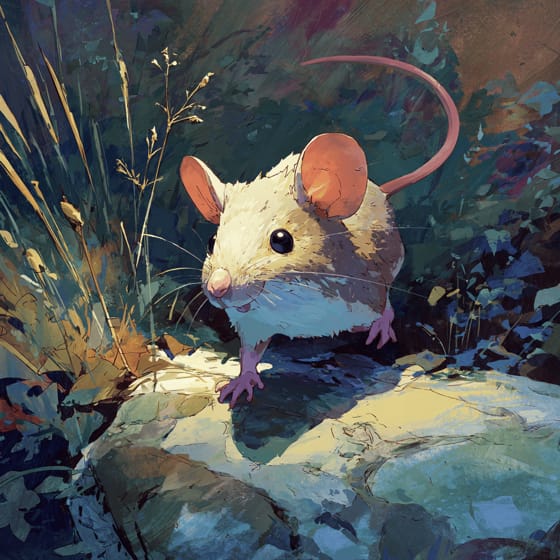
Mus musculus
A primary food source in its natural habitat.

Passer domesticus
Climbs trees to find and ambush these birds.
Martes flavigula
This agile predator preys on snakes like the Ratsnake.

Aquila chrysaetos
Large raptors occasionally prey on these snakes.
Marked with parallel bands or lines of color.
Solitary animals live alone for most of their lives, only interacting with others for mating or parental care.
Arboreal animals live primarily in trees, utilizing them for shelter, food, and protection from predators.
Colorful describes organisms or objects displaying a wide range of bright and distinct colors.

This habitat trait identifies species found in mountainous regions, characterized by high elevation, steep slopes, and varying climate zones.

An ambush predator hunts by patiently waiting and concealing itself, then launching a sudden attack when unsuspecting prey comes within range.

This trait identifies organisms whose diet consists entirely or primarily of animal tissue.

Diurnal animals are primarily active during daylight hours, typically resting or sleeping at night.
No aliases listed yet.
Danger
2/5 · Low
If you see a snake, it's best to stay calm and keep your distance. Always tell an adult.
The easiest way to identify Red Mountain Ratsnake is to use the Snappit nature identifier app.
60-180 cm
0.5-1.5 kg
10-20 years
8 km/h
This snake is a carnivore that loves to eat small mammals and birds.
Mountain regions
Ambush
Zoom in to split clusters and explore where this object has been snapped.
Recent snaps will appear here as new observations are added.
Take the discovery with you
Snap it with Snappit to identify it, learn what makes it special, and add the discovery to your collection.













