





redbay
Tamala borbonia
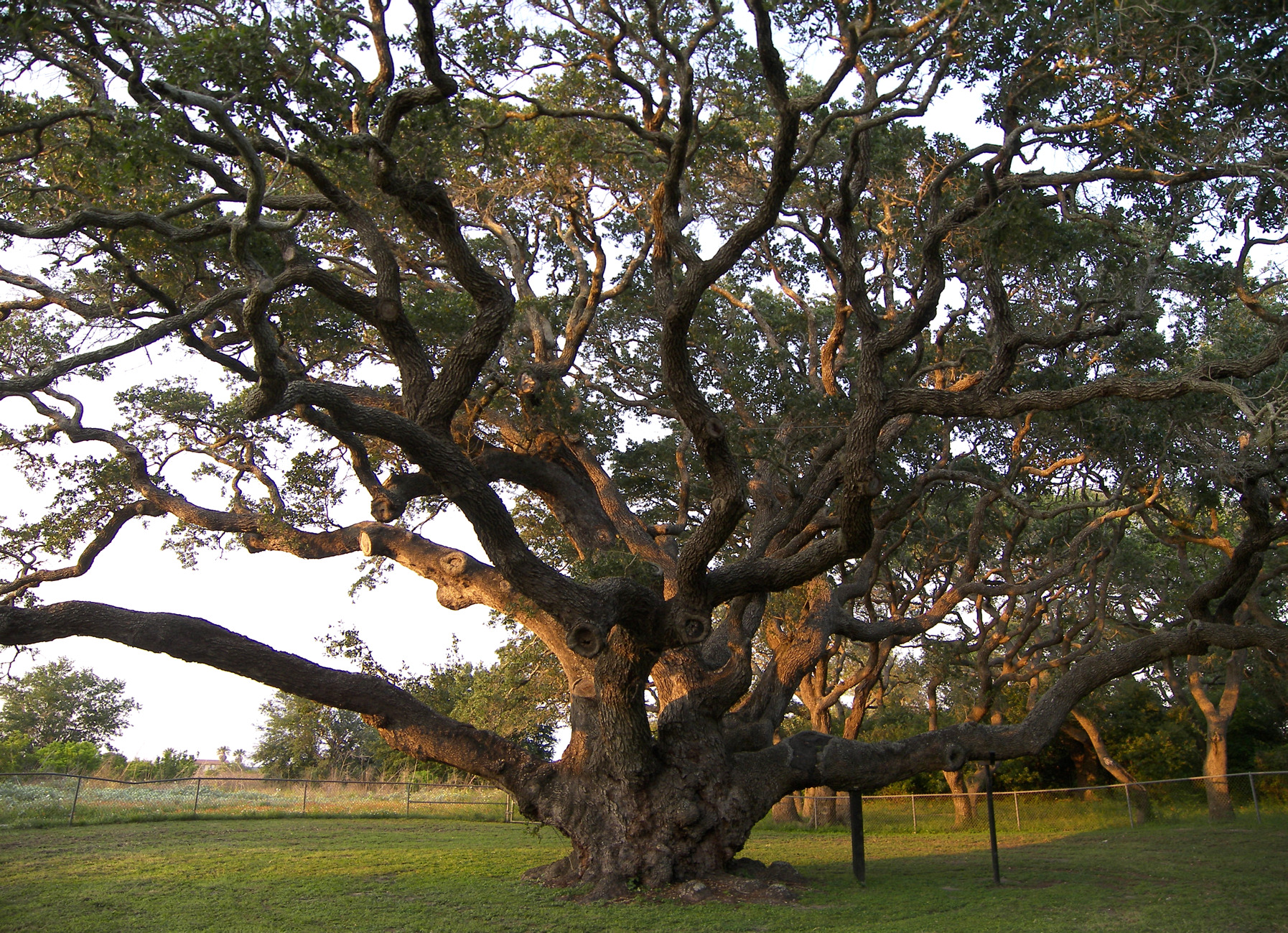
The redbay tree is a tall, evergreen tree with shiny leaves and small, dark berries. It grows in warm, wet areas and provides food and shelter for many animals.
Habitat: Wetlands
The redbay is an evergreen tree with shiny, dark green, lance-shaped leaves that can be crushed for a spicy aroma. It produces small, inconspicuous yellowish-green flowers, followed by clusters of dark blue to black berries.
Category
PlantsRarity
Common
Danger
1/5 · Very low
Snaps
1
Crush a redbay leaf and it smells like a spicy mix of bay laurel and citrus!
Its dark blue-black berries are a tasty snack for over 20 different kinds of birds!
Sailors once used redbay wood to build boats because it's so strong and durable!
This tree is a relative of the avocado, both are in the same plant family!
Redbay has aromatic leaves that can be used as a spice, helping it deter some herbivores.
Redbay is evergreen, meaning it keeps its leaves all year, helping it make food even in winter.
Redbay can grow in both wet swamps and dry uplands, helping it survive in many places.
Xyleborus glabratus
spreads a deadly fungus to redbay trees.
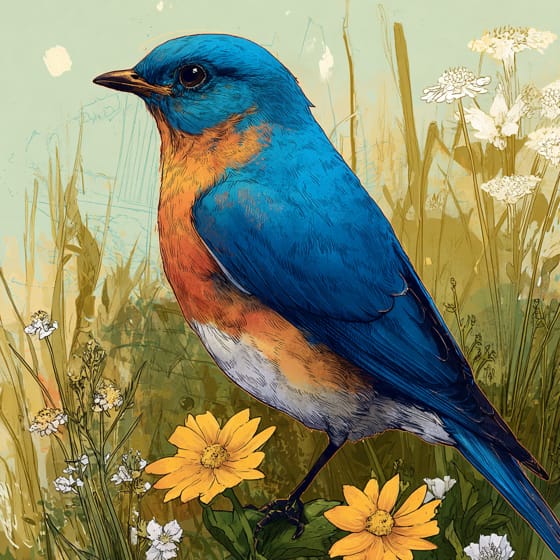
Sialia sialis
forages on the redbay's nutritious berries.

Papilio troilus
uses the leaves as food for its caterpillars.
Aromatic plants produce and emit fragrant volatile organic compounds, often for defense or to attract pollinators.
Broadleaf trees are angiosperms characterized by flat, wide leaves that are typically shed annually in temperate climates.
Evergreen plants retain their foliage throughout the year, never shedding all their leaves at once.
Fruit-bearing plants produce fruits, which are the mature ovaries of flowering plants containing seeds.

Medicinal plants possess chemical compounds that can be used for therapeutic purposes to treat illnesses or maintain health.

Describes plants that are particularly attractive and beneficial to a wide range of pollinating organisms.

Timber refers to wood that has been prepared for use in building and carpentry.

This habitat trait identifies species found in wetlands, which are areas of land saturated with water, either permanently or seasonally, including marshes, swamps, and bogs.

Describes a species whose presence and role have a disproportionately large effect on its environment.
Danger
1/5 · Very low
Stay on paths when exploring near trees and watch for falling branches.
The easiest way to identify redbay is to use the Snappit nature identifier app.
300-2000 cm
150-1000 cm
0.3-0.5 cm
Spring
Yes
None
Perennial
Zoom in to split clusters and explore where this object has been snapped.
Take the discovery with you
Snap it with Snappit to identify it, learn what makes it special, and add the discovery to your collection.










.jpg&width=800)


_001.jpg&width=800)



