.jpg&width=800)





American Goshawk
astur atricapillus
The American Goshawk is a powerful bird of prey known for its speed and agility. With its striking gray feathers and piercing yellow eyes, it's a master at hunting in forests!
Habitat: They live in forests and wooded areas across North America.
The American Goshawk has a slate-gray back, a finely barred white underside, and a distinctive dark head with a bold white brow. Its piercing red or orange eyes and short, broad wings, combined with a long tail, make it visually adapted for weaving through dense forest canopies.
Category
BirdsRarity
Common
Danger
2/5 · Low
Snaps
2
Female goshawks are often much larger and more powerful than the males!
Goshawks build giant stick nests high in trees, often adding to them each year.
Goshawks can turn their head almost 270 degrees to spot prey, staying perfectly still.
Their piercing red eyes may help them see prey clearly, even in dim light!
American Goshawk's short wings and long tail allow it to weave through dense forests at high speed, surprising prey.
American Goshawk can appear suddenly from dense cover because of its silent flight, ambushing unsuspecting prey.
American Goshawk has super sharp vision that helps it spot tiny prey movements from far away in the forest.
American Goshawk has incredibly strong, sharp talons that help it capture and hold onto swift, struggling prey.
This fierce hunter primarily eats other birds and small mammals, catching them with incredible speed!
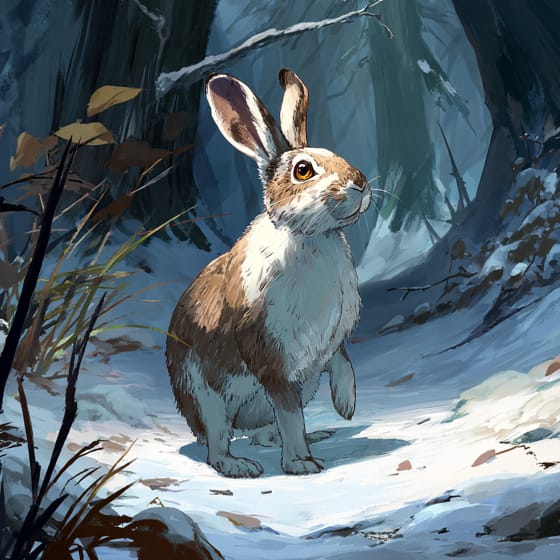
Lepus americanus
A primary mammal prey species in its forest habitat.

Dendragapus obscurus
A common bird prey, especially in coniferous forests.
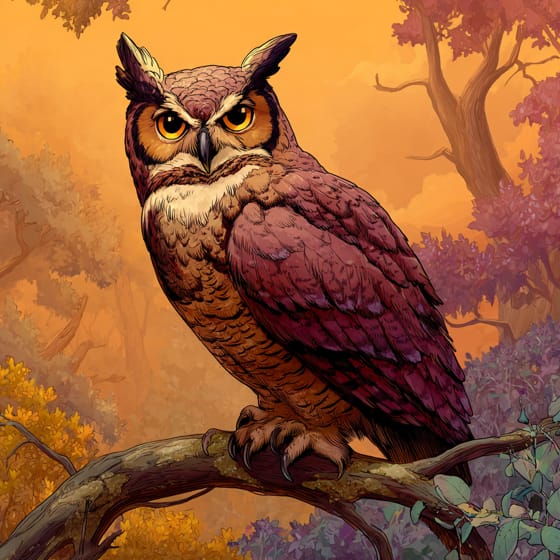
Bubo virginianus
Will sometimes prey on young goshawks in the nest.

Pica pica
Often preys on these noisy birds where their ranges overlap.
Solitary animals live alone for most of their lives, only interacting with others for mating or parental care.
Arboreal animals live primarily in trees, utilizing them for shelter, food, and protection from predators.
Forest habitats are terrestrial environments dominated by dense tree cover, supporting a high diversity of plant and animal life.
This trait identifies organisms whose diet consists entirely or primarily of animal tissue.

Diurnal animals are primarily active during daylight hours, typically resting or sleeping at night.
Danger
2/5 · Low
No special safety notes yet.
The easiest way to identify American Goshawk is to use the Snappit nature identifier app.
46-64 cm
98-124 cm
0.7-1.5 kg
11-15 years
70 km/h
This fierce hunter primarily eats other birds and small mammals, catching them with incredible speed!
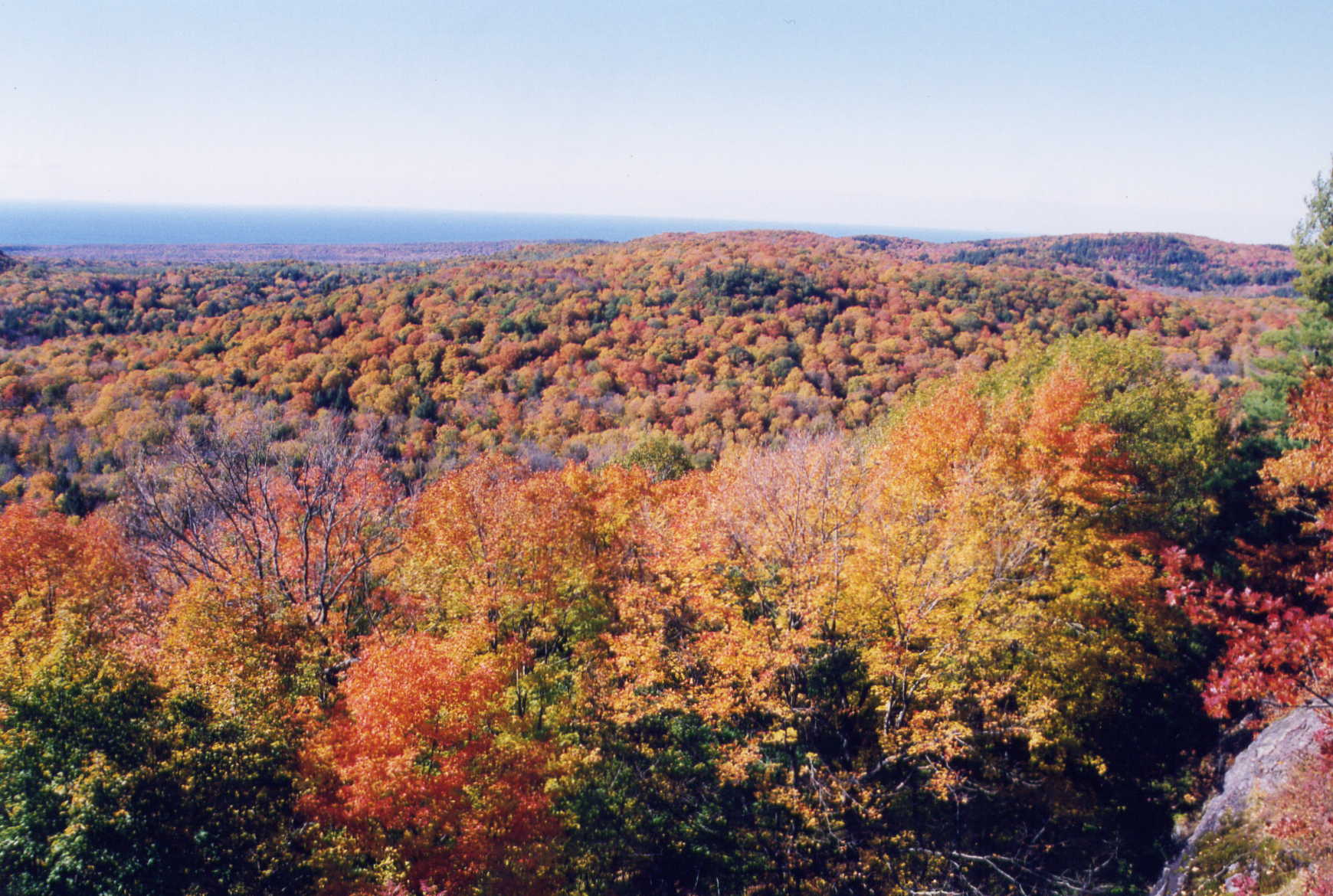
They live in forests and wooded areas across North America.
Zoom in to split clusters and explore where this object has been snapped.
Take the discovery with you
Snap it with Snappit to identify it, learn what makes it special, and add the discovery to your collection.





.jpg&width=800)








